
Effective Natural Remedies and Treatments for Scalp Psoriasis
Discover comprehensive and natural strategies to manage scalp psoriasis effectively. From medicated shampoos and topical remedies to dietary modifications and lifestyle tips, this guide offers practical advice for soothing and controlling scalp psoriasis symptoms naturally. Learn how to incorporate lifestyle changes and home remedies alongside professional treatments to achieve healthier, clearer scalp skin sustainably.
Scalp psoriasis is a common inflammatory skin condition characterized by itchy, scaly patches on the scalp. While the exact cause remains unknown, it is believed to result from an interplay between genetic factors, immune system dysfunction, and environmental triggers. Many individuals experience flare-ups due to factors such as stress, injury, certain medications, or exposure to allergens. Understanding the underlying causes and triggers is essential for managing symptoms effectively. Genetic predisposition plays a significant role, with a family history often indicating higher risk. The immune system's overreaction leads to an accelerated growth of skin cells, resulting in the characteristic thick, scaly patches. Though conventional treatments like medicated ointments, systemic medications, and light therapy are effective, many seek natural remedies to complement medical interventions or in cases of mild symptoms.
Understanding Scalp Psoriasis and Its Causes
Despite extensive research, the precise etiology of scalp psoriasis remains elusive. It is classified as an autoimmune disorder, meaning that the immune system mistakenly attacks healthy skin cells, causing inflammation and abnormal skin cell production. This causes the buildup of scales, redness, and itching. External factors such as injuries, burns, or skin trauma can trigger or worsen outbreaks. Allergens in hair products, harsh shampoos, or environmental irritants may also contribute. Additionally, lifestyle factors like stress, poor diet, sedentary habits, and certain metabolic or inflammatory conditions influence the severity and frequency of flare-ups. People with comorbid conditions like obesity, diabetes, or gluten sensitivity may report more persistent or severe symptoms.
Medical Approaches to Treating Scalp Psoriasis
Healthcare providers typically recommend a variety of treatments depending on severity and location of the symptoms. For mild cases, topical therapies such as corticosteroid creams, medicated shampoos, or coal tar preparations are common. More severe cases may require phototherapy, where controlled ultraviolet light is used to reduce inflammation, or systemic medications including biologics or oral drugs. These approaches work by modulating the immune response, decreasing rapid skin cell proliferation, and alleviating symptoms. However, many patients prefer to incorporate natural remedies alongside medical treatments for holistic management. It’s important to follow medical guidance closely to prevent adverse reactions and ensure optimal results.
At-Home Remedies and Natural Alternatives for Relief
While professional medical advice is crucial, several natural therapies can help soothe scalp psoriasis symptoms and improve skin health. These remedies focus on reducing inflammation, calming itching, and promoting skin healing—serving as adjuncts to conventional treatments or as initial approaches for mild cases. Always consult your healthcare provider before starting any new treatment regimen to ensure safety and effectiveness.
Shampoos Enriched with Salicylic Acid or Coal Tar
One of the simplest and most accessible remedies involves using medicated shampoos formulated with salicylic acid or coal tar. Salicylic acid helps remove scales and softens plaques, making it easier to manage buildup. Coal tar possesses anti-inflammatory and antiproliferative properties, which can reduce redness, itching, and scaling. These shampoos are available over-the-counter and can be effective when used as directed, often in combination with other treatments. When trying a new shampoo, conducting a patch test is recommended to avoid allergic reactions. Consistent use over weeks may be necessary to observe significant improvement.
Capsaicin-Based Products for Pain and Inflammation Relief
Derived from chili peppers, capsaicin is known for its pain-relieving properties. Topical capsaicin formulations can diminish nerve endings' sensitivity to pain and reduce inflammation associated with psoriasis. Several studies demonstrate its potential to lessen scaling and redness. However, initial application may cause mild stinging or burning sensations. It’s advisable to test on a small skin area first, avoiding wounds, eyes, or mucous membranes. Regular use under medical supervision can lead to sustained relief from symptoms, making it a promising natural option for some patients.
Soothing Aloe Vera Gel for Calming the Scalp
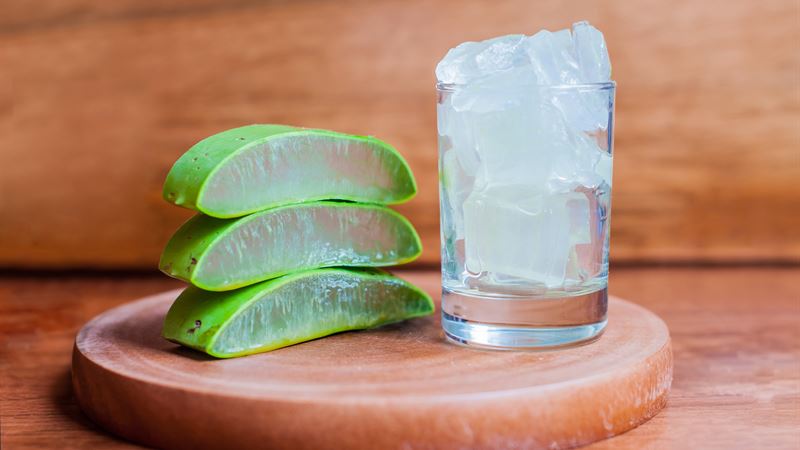
Aloe vera has been treasured for centuries for its healing and anti-inflammatory properties. When applied to the scalp, aloe vera gel can help alleviate itching, reduce redness, and soothe inflamed skin. Products containing at least 0.5% aloe vera are ideal for moisturizing and cooling the affected area. Applying aloe vera gel two to three times daily can promote healing and improve skin hydration. Although results may take time, consistent use often yields positive effects, especially when combined with other gentle remedies.
Garlic’s Anti-Inflammatory and Antimicrobial Benefits
Garlic is renowned for its potent anti-inflammatory, antioxidant, and antimicrobial properties. Its benefits extend to skin health, helping reduce inflammation and prevent infections that may aggravate psoriasis. Due to its pungent odor, it is usually used externally in diluted forms. Combining pureed or pressed garlic with aloe vera gel in a 1:1 ratio allows for a milder application. After applying the mixture to affected areas, allowing it to sit for 12-15 minutes before rinsing with cool water can be effective. Regular application, provided no irritation occurs, can help manage symptoms and support overall scalp health.
Nutritional Support: Coconut Oil and Essential Oils
Coconut oil is rich in lauric acid and healthy fats, making it effective for reducing dryness and inflammation on the scalp. Slightly warming the oil before massaging it into the scalp enhances absorption. Leaving it on for approximately 20 minutes before shampooing helps loosen scales and soothe irritated skin. Adding essential oils like tea tree, rose, or lavender oil—diluted with a carrier oil—can amplify healing effects. Tea tree oil is particularly noteworthy due to its antibacterial and antiseptic properties. Using essential oils cautiously and in moderation minimizes the risk of irritation, especially for sensitive skin types.
Role of Vitamin D in Managing Scalp Psoriasis
Vitamin D plays a significant role in maintaining healthy skin and immune function. Sun exposure facilitates natural vitamin D synthesis, which can help modulate the immune response involved in psoriasis. Spending around 15 minutes in natural sunlight during early morning or late evening hours can boost vitamin D levels naturally. Supplements containing vitamin D are also an option but should be taken under medical supervision to avoid overdose. Adequate vitamin D levels can reduce inflammation and promote skin healing, making it an essential component of a holistic management plan.
Dietary Strategies: Incorporating Omega-3 Fatty Acids
Dietary modifications can significantly impact psoriasis management. foods rich in omega-3 fatty acids possess anti-inflammatory properties that help reduce skin inflammation and flare-ups. Incorporate foods such as fatty fish (salmon, mackerel, sardines, and trout), flaxseeds, chia seeds, walnuts, and soy products into your daily diet. Using omega-3 supplemented oils like flaxseed oil or fish oil capsules can also provide additional benefits. Maintaining a balanced, nutritious diet supports overall health, alongside topical and medical treatments, and empowers patients to take control of their condition. Limiting processed foods and refined sugars can further decrease inflammation and support skin recovery.
In summary, managing scalp psoriasis involves a combination of medical treatments, lifestyle adjustments, and natural remedies. Patience and consistency in following these approaches can lead to noticeable improvements and enhanced quality of life. Always consult your healthcare provider before trying new treatments to ensure they fit your specific needs and conditions.