
Comprehensive Guide to Tubal Reversal Surgery Options You Should Know About
Explore the detailed options for tubal reversal surgery, including mini-laparotomy, laparoscopy, and robotic techniques. Learn about each method's advantages, recovery time, scarring, and success rates to make an informed decision about restoring fertility after tubal ligation. This comprehensive guide provides vital insights from surgical procedures to recovery expectations, helping women choose the best approach suited to their needs and health conditions.
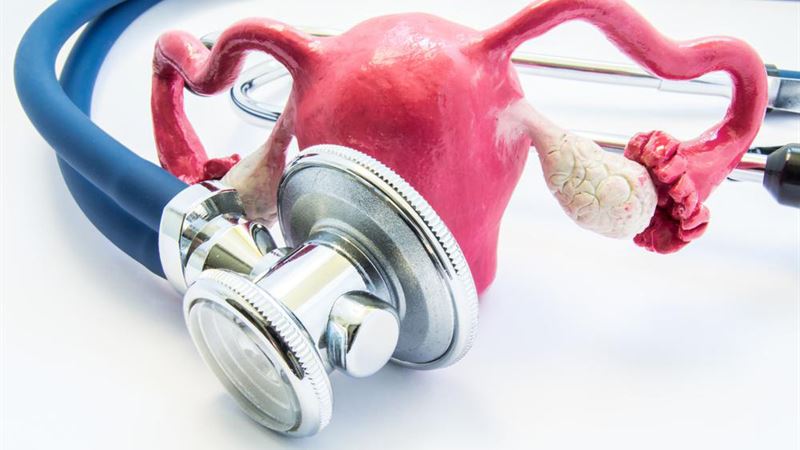
Understanding the most common surgical options is essential for making an informed decision. These options include mini-laparotomy, laparoscopy, and robotic-assisted surgery. Each technique has unique features, advantages, and considerations that can influence recovery time, scarring, and success rates.
- Mini-Laparotomy: A Cost-Effective and Widely Used Approach
- Laparoscopy: Less Invasive and Precise
- Robotic-Assisted Tubal Reversal: The Most Modern and Precise Technique
This is one of the most frequently performed tubal reversal procedures because of its affordability and high success rate. In mini-laparotomy, a small incision measuring approximately 2 to 4 centimeters is made just above the pubic bone, typically in the bikini line area, to minimize visible scarring. The incision allows the surgeon to access the fallopian tubes directly and perform the necessary reconnection.
The primary benefit of this approach is its simplicity and the relatively quick recovery period. Most women who undergo mini-laparotomy can expect to return to normal activities within about one to two weeks, with some resuming work after just a week of rest. The procedure is especially advantageous for women with two healthy ovaries or those who have enough fallopian tube length for successful reconnection.
However, the procedure involves a slightly larger incision compared to less invasive methods, which might result in a more noticeable scar initially, although it typically fades over time.
Laparoscopy has become increasingly popular due to its minimally invasive approach. During this procedure, the surgeon makes three small incisions, usually less than one centimeter each, in the abdomen. A tiny camera, called a laparoscope, is inserted through one of the incisions, providing real-time visualization of the reproductive organs on a monitor. The other incisions are used to insert surgical instruments.
The laparoscopic method allows for a highly precise and controlled surgery. Because no large cuts are necessary, this technique minimizes tissue trauma and reduces scarring. Patients often experience less postoperative pain and enjoy shorter recovery times, typically under a week.
Laparoscopy is particularly advantageous for women with mild to moderate tubal damage, as the surgeon can thoroughly inspect the fallopian tubes and surrounding structures before proceeding with the repair. It also permits simultaneous treatment of other pelvic conditions such as endometriosis or pelvic adhesions.
Despite its advantages, laparoscopy requires specialized equipment and skilled surgeons, which may influence the availability and cost of the procedure.
Robotic surgery represents the cutting edge of minimally invasive reproductive surgery. Using advanced robotic systems, the surgeon controls tiny robotic arms from a console positioned beside the patient. These tools are even smaller and more precise than traditional laparoscopic instruments, allowing for extremely accurate incisions and suturing.
The robotic procedure involves four key steps: inserting tiny incisions, controlling robotic arms to perform the surgery, ensuring meticulous connection of the fallopian tubes, and closing the incisions with fine, absorbable stitches. It provides unparalleled precision, which can be especially beneficial for complicated or scarred tubes.
One of the major advantages of robotic tubal reversal is an exceedingly quick recovery—most patients recover fully within about a week. Since the surgical tools are highly refined, the risk of human error is minimized, leading to higher success rates, particularly in complex cases or re-do surgeries.
However, robotic surgery is the most expensive option among the tubal reversal techniques due to the cost of sophisticated equipment and the need for specialized training. Not all clinics offer this service, so prospective patients should consult with experienced surgeons to explore their options.
Postoperative care includes managing discomfort, avoiding strenuous activities, and attending follow-up appointments to confirm tube patency through imaging techniques such as hysterosalpingography (HSG). Success largely depends on the extent of tubal damage, overall reproductive health, and surgical expertise.