
Potential Complications and Risks Associated with Tubal Reversal Surgery
This comprehensive guide explores the risks and complications associated with tubal reversal surgery, including infections, bleeding, and other postoperative concerns. It emphasizes the importance of vigilant monitoring, early detection, and appropriate medical intervention to ensure safe recovery and enhance chances of success. Understanding these potential hazards can help women prepare better and seek timely help, ensuring a smoother journey toward restoring fertility.
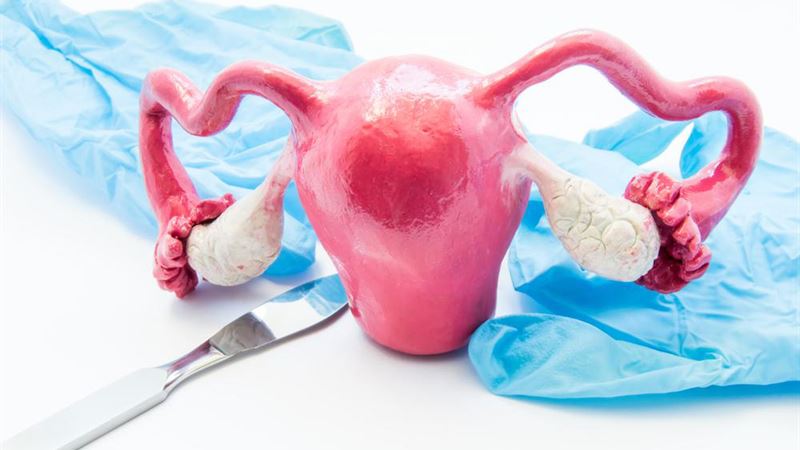
Approximately 5% of women undergoing tubal reversal report encountering infections at the surgical site. Although surgical site infections are generally manageable, they may pose significant concerns if not identified and treated promptly. These infections typically develop within the first month following surgery, highlighting the importance of vigilant postoperative care.
So, what causes these infections? They are primarily due to microbial invasion, which can occur through various pathways. Contamination may happen if the surgical instruments used during the procedure were not adequately sterilized or if the environment was not sterile. Additionally, microorganisms from the air or the patient's own flora can enter the surgical site, especially if proper hygiene protocols are not adhered to.
Signs of infection to watch for include:
- Elevated body temperature ranging from mild to high fever
- Pain localized at the surgical site
- Redness surrounding the operated area
- Swelling that is disproportionate to the expected healing process
- Delayed wound healing or wound dehiscence
- Increased warmth around the incision site
- Possible pus or discharge
If you notice any of these symptoms, prompt consultation with your healthcare provider is vital. Early intervention can prevent the progression of infection and reduce the risk of more severe complications.
Bleeding is a common aspect of most surgical procedures, including tubal reversal. Small amounts of bleeding are expected and typically resolve without intervention. However, excessive bleeding can be dangerous and may require urgent medical attention.
When bleeding surpasses normal levels, it can be life-threatening. In rare cases, patients may need blood transfusions to compensate for significant blood loss. While serious outcomes like mortality due to bleeding are uncommon, they are possible, underscoring the importance of careful intraoperative and postoperative monitoring.
Postoperative bleeding is usually minimal and manageable. If you experience bleeding that is heavier than your menstrual cycle—such as soaking through a pad in an hour or more—it is crucial to seek medical help immediately. Persistent bleeding or bleeding that does not slow down over time warrants urgent evaluation.
Patients should also be aware that pain, swelling, and bleeding may last for a few days after surgery. Maintaining proper wound care and avoiding strenuous activity can aid recovery. Avoid self-medicating with any blood-thinning agents unless prescribed by your doctor, as these can exacerbate bleeding.
While tubal reversal procedures are often performed as outpatient surgeries, rapid recognition of abnormal bleeding signs can significantly impact outcomes and recovery times. If you observe any issues, contact your healthcare provider for instruction and possible intervention.
In addition to infections and bleeding, other risks associated with tubal reversal include adhesions, which are internal scar tissues that can form after surgery and potentially impair fertility or cause pain. Generally, the risk of adhesions increases with the complexity of the procedure and individual healing responses.
The overall success rate of tubal reversal depends on factors such as the woman's age, the type of tubal ligation previously performed, and the length and condition of the remaining tubes. Proper preoperative assessment and postoperative care are crucial for maximizing the chances of a successful pregnancy.
Patients should follow all medical recommendations, including medication prescriptions, activity restrictions, and follow-up appointments. Maintaining good hygiene and avoiding baths, swimming pools, or other sources of infection during the initial healing phase are also advised.
In rare cases, complications such as tubal blockage, tubal re-occlusion, or anesthesia-related issues may occur. Having thorough discussions with your surgical team beforehand can help set realistic expectations and prepare you for any potential risks.
Ultimately, understanding the full scope of possible complications empowers women to make informed decisions, encourages prompt responses to postoperative issues, and enhances overall outcomes of the tubal reversal process.