
Comprehensive Guide to Early Detection Tests for Cancer
Explore an in-depth guide to early cancer detection tests, including advanced imaging techniques, minimally invasive procedures, and biopsy methods essential for diagnosing various cancers at initial stages. Learn about the latest technologies and their roles in improving treatment outcomes and patient care.
Computed Tomography (CT) Scans: Precision Imaging for Early Cancer Detection
CT scans, also known as CAT scans, are high-resolution imaging techniques that create detailed cross-sectional images of the human body. These scans employ a series of X-ray beams rotating around the patient, capturing images from multiple angles. The data is then reconstructed by a computer to produce detailed black-and-white images, allowing clinicians to identify abnormal growths or tumors with high accuracy. CT scans are particularly useful for detecting lung, liver, pancreatic, and abdominal cancers, as well as assessing the size and location of tumors. Beyond diagnosis, CT imaging plays a critical role in treatment planning, guiding biopsies, and monitoring tumor response to therapy. Modern advances have included contrast-enhanced CTs, where a dye is used to highlight blood vessels and improve visualization of suspicious areas.
Magnetic Resonance Imaging (MRI): Soft Tissue Visualization for Cancer Detection
MRI technology uses powerful magnetic fields and radio waves to generate detailed images of internal organs and tissues. Unlike X-ray-based methods, MRI provides superior contrast resolution, particularly for soft tissues like the brain, spinal cord, breast tissue, and muscles. This makes it especially valuable in detecting cancers such as brain tumors, prostate cancer, and breast malignancies at early stages. The procedure involves lying still on a table that slides into a large cylindrical magnet, while the machine emits radiofrequency signals that interact with hydrogen atoms in the body. Gadolinium-based contrast agents are often administered to enhance image clarity and delineate malignant tissues more distinctly. Because MRI does not expose patients to ionizing radiation, it is a preferred modality for repeated imaging over time to monitor disease progression or response to treatments.
X-ray Imaging and Contrast Techniques: Quick and Cost-Effective Screening Options
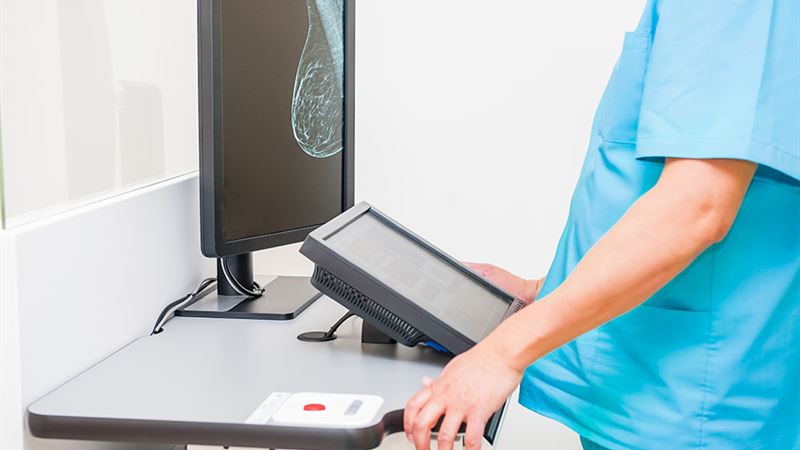
Traditional X-ray imaging remains a fundamental tool in the initial evaluation of suspected cancers, especially those involving bones or calcified structures. While less detailed than CT or MRI scans, X-rays are quick, affordable, and often the first step in an investigation. Mammograms, a specialized form of breast X-ray, are critical in the early detection of breast cancer, enabling the identification of small tumors that might be missed by physical exams alone. Contrast studies involve the use of dye agents like barium or intravenous contrast to improve tissue differentiation. For example, barium swallow studies visualize the gastrointestinal tract, helping detect tumors or structural abnormalities. Intravenous pyelography (IVP) uses contrast dye to assess kidney and urinary tract function. Although these techniques are useful, they are generally supplemented by more advanced imaging when detail is necessary.
Nuclear Medicine Scans: Functional Imaging to Uncover Cancer’s Biological Activity
Nuclear medicine employs radioactive tracers, or radionuclides, to image physiological processes within the body. These tracers emit low-level radiation detectable by specialized cameras, allowing clinicians to observe areas of abnormal metabolic activity often associated with cancer. For example, Positron Emission Tomography (PET) scans, often combined with CT (PET/CT), are extensively used in oncology to detect active tumor cells, evaluate metastasis, and assess treatment efficacy. Tumors tend to absorb or accumulate these tracers at higher rates, creating ‘hot spots’ on images that indicate malignancy. While nuclear scans cannot detect very small tumors directly, they are invaluable in staging cancers, guiding biopsies, and monitoring response to therapy. They also help differentiate between benign and malignant lesions based on metabolic activity patterns.
Ultrasound: Non-Invasive, Real-Time Soft Tissue Imaging
Ultrasound uses high-frequency sound waves to produce real-time images of internal organs and tissues. Its advantages include being radiation-free, portable, cost-effective, and able to provide immediate results. Ultrasound is highly effective in visualizing superficial organs such as the thyroid, testes, and breast, and is frequently used in conjunction with other tests for a comprehensive evaluation. It can identify cystic versus solid masses, making it useful in initial screening for tumors and guiding needle biopsies. Elastography, an advancement in ultrasound technology, can assess tissue stiffness and aid in distinguishing benign from malignant lesions. Ultrasound’s real-time imaging capabilities also facilitate minimally invasive procedures like biopsies and guided tumor removal, improving precision and patient outcomes.
Endoscopy: Direct Visualization and Targeted Interventions
Endoscopy involves inserting a flexible tube equipped with a camera and light into the body to visually examine internal structures. It provides a direct view, enabling the detection of early symptoms of cancers in the gastrointestinal tract, respiratory system, and other hollow organs. For example, colonoscopy allows for thorough inspection of the colon and rectum, with the capability to remove polyps or perform biopsies during the procedure. Similarly, esophagogastroduodenoscopy (EGD) visualizes the upper gastrointestinal tract, aiding in early gastric or esophageal cancers detection. Advanced endoscopic techniques like laser therapy or photodynamic therapy are employed to treat or destroy small tumors directly during the procedure. The minimally invasive nature of endoscopy makes it a cornerstone in early cancer diagnosis and targeted treatment.
Biopsy: Definitive Confirmation of Cancer
Biopsy remains the gold standard for cancer diagnosis. The procedure involves removing tissue or cells from a suspicious area for histopathological examination. Depending on tumor location and size, various biopsy techniques are used, including fine-needle aspiration, core needle biopsy, or surgical excision. Fine-needle aspiration employs a thin needle to extract cells with minimal discomfort, ideal for superficial or easily accessible tumors. Core needle biopsy retrieves a tissue sample that preserves tissue architecture, aiding in detailed analysis. Surgical biopsies may be performed through minor procedures under local anesthesia or during more extensive surgeries. Biopsies are crucial as they provide definitive evidence of malignancy, determine tumor type, grade, and molecular markers, all essential for designing personalized treatment plans.
Cytology: Cellular-Level Cancer Detection
Cytological analysis examines individual cells or small clusters obtained through scraping, brushing, or fluid sampling. Techniques such as Pap smears, sputum analysis, and urine cytology help detect cancers of the cervix, respiratory tract, and urinary system. Cytology is less invasive than traditional biopsy and provides rapid results, making it invaluable for screening programs. Results can reveal abnormal cell morphology indicative of malignancy or precancerous changes. Although cytology offers limited information compared to a full tissue biopsy, it serves as an effective preliminary screening tool, guiding further diagnostic steps if necessary. Advances in molecular cytology are enhancing the ability to identify genetic mutations and molecular markers directly from cytological samples, paving the way for more personalized cancer management.