
Comprehensive Guide to Portable Ultrasound Devices: Types, Features, and Best Options
Discover the diverse range of portable ultrasound machines including high-end, mid-range, and budget-friendly options. Learn about their features, applications, and how to choose the best device for your medical or veterinary practice. Stay updated with the latest technology trends to improve diagnostic efficiency and patient outcomes.
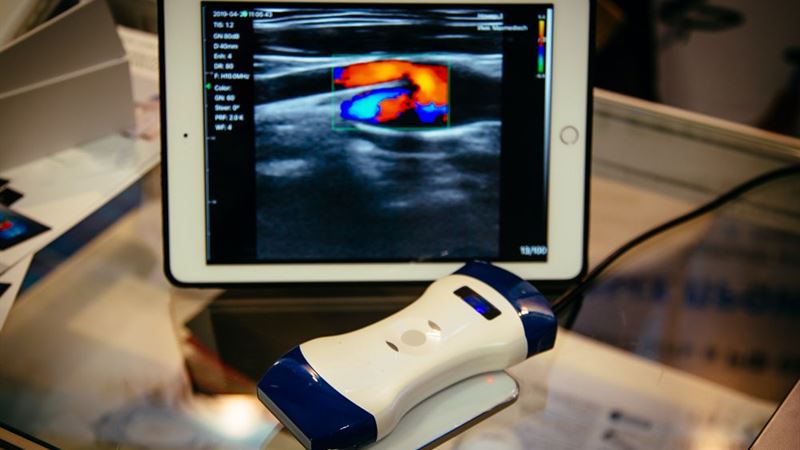
Portable ultrasound machines have revolutionized diagnostic imaging, offering mobility, ease of access, and high-quality imaging capabilities that cater to a broad range of medical and veterinary applications. These devices are indispensable tools in emergency departments, outpatient clinics, veterinary practices, and even remote field settings where traditional large ultrasound systems are impractical. The market for portable ultrasound devices continues to expand, driven by technological advancements, increasing demand for point-of-care diagnostics, and the need for versatile imaging solutions in diverse clinical environments.
Popular models such as the Mindray M8 Elite, Philips CX50, and GE Vivid iq epitomize the blend of portability and sophisticated features. These devices combine user-friendly operation with advanced computational power, delivering detailed images and reliable performance. Features like high-resolution imaging, improved signal-to-noise ratio, and intuitive interfaces make these portable options suitable for a wide array of diagnostic tasks, from cardiac to obstetric to musculoskeletal imaging.
Recognizing that different clinical settings have varying needs, the market offers a range of portable ultrasound systems categorized into high-end, mid-range, and budget-friendly segments. Each segment caters to specific user requirements, balancing cost, portability, image quality, and feature set.
High-End Portable Ultrasound Machines
Leading the market in portability and technological sophistication are premium ultrasound units designed for complex diagnostic procedures. These high-end models are equipped with the latest imaging technologies, including 3D/4D imaging, elastography, and contrast-enhanced ultrasound capabilities. Their robust build and advanced features make them ideal for hospitals' specialized departments such as cardiology, radiology, and obstetrics & gynecology.
Some notable high-end portable ultrasound systems include the Mindray M8 Elite, Philips CX50, and GE Vivid iq. The Mindray M8 Elite, for example, excels with its versatile imaging modes, ergonomic design, and seamless connectivity features. The Philips CX50 offers superior 2D and 3D imaging quality, along with comprehensive service options that facilitate smooth integration into clinical workflows. The GE Vivid iq is lauded for its compact design and advanced cardiac imaging features, making it suitable for quick bedside assessments or in-field diagnoses.
Mid-Range Portable Ultrasound Devices
For many healthcare providers, mid-range portable ultrasound machines strike an ideal balance between cost and performance. These devices are more affordable than their high-end counterparts but maintain impressive image quality, speed, and ease of use. They are especially suitable for departments like radiology units, outpatient clinics, and general practitioners who need reliable imaging on the move.
Popular mid-range models include the Sonosite Edge II, GE Versana Active™, and Mindray M6. The Sonosite Edge II features a compact form factor combined with advanced imaging technologies and multiple probe options, facilitating various clinical applications. The GE Versana Active™ demonstrates excellent portability without compromising on image clarity, making it suitable for diverse imaging needs. The Mindray M6 offers a versatile suite of imaging modes and robust connectivity options, supporting seamless data sharing and storage.
Economical Portable Ultrasound Machines
Budget-conscious practices and those new to ultrasound technology often seek cost-effective solutions without sacrificing essential features. Budget-friendly portable ultrasound devices are designed to meet fundamental diagnostic needs at a fraction of the cost of premium systems. These machines are ideal for primary care, point-of-care testing, veterinary use, obstetrics and gynecology, and general imaging.
Refurbished models or new low-cost units like the Esaote MyLab™ Sigma, Mindray DP-30, and GE LOGIQ V1 offer excellent performance for basic applications. The Esaote MyLab™ Sigma provides clear imaging with simple operation, making it suitable for clinics with limited budgets. The Mindray DP-30 is lightweight and easy to navigate, making it ideal for quick assessments in busy practices. The GE LOGIQ V1 offers solid imaging capabilities and reliable performance for routine examinations, presenting a worthwhile option for practices testing ultrasound technology or those with infrequent imaging needs.
Key Factors to Consider When Choosing a Portable Ultrasound System
Choosing the right portable ultrasound device involves evaluating several critical factors. Firstly, consider the intended clinical applications—cardiology, obstetrics, musculoskeletal, or veterinary—to ensure the device has suitable imaging modes and probes. Image quality is paramount; look for systems that offer high resolution, accurate color Doppler imaging, and advanced features like elastography if needed.
Portability and ease of use are equally important. Lightweight designs, ergonomic controls, and intuitive interfaces facilitate quicker exams and reduce operator fatigue. Connectivity options such as USB ports, Wi-Fi, or cloud integration enable seamless data sharing and remote consultations. Budget constraints and long-term maintenance costs should also influence your decision, aiming for a device that offers the best value within your budget.
Future Trends in Portable Ultrasound Technology
The evolution of portable ultrasound devices is poised to continue rapidly, driven by innovations in AI integration, miniaturization, and improved imaging software. AI-powered algorithms can assist in image interpretation, reduce exam time, and enhance diagnostic accuracy. Furthermore, the development of wireless probes and cloud-based platforms allows remote diagnostics and telemedicine applications to flourish.
As technology advances, we can expect portable ultrasounds to become even smaller, more affordable, and more capable of delivering diagnostic information comparable to large, stationary systems. This will expand the reach of ultrasound imaging into new markets and settings, ultimately improving patient access to timely and accurate diagnoses in a variety of environments worldwide.
Conclusion
Portable ultrasound machines are transforming medical diagnostics by providing mobility, flexibility, and high-quality imaging in diverse settings. Whether you are seeking premium devices with state-of-the-art features, mid-range systems offering a robust balance of performance and affordability, or budget-friendly options suited for basic applications, there are solutions tailored to your needs. Evaluating your specific clinical requirements, budget, and intended usage will help you select the ideal portable ultrasound device to enhance your diagnostic capabilities and improve patient care.