
Comprehensive Guide to How MRI Scanners Work and Their Diagnostic Process
This comprehensive article explains how MRI scanners work by using magnetic fields and radio waves to produce detailed internal body images. It covers the procedure, safety considerations, and advantages of MRI over other imaging methods. Designed for patients and medical professionals alike, it provides a clear understanding of MRI technology for diagnosing various health conditions efficiently and safely.
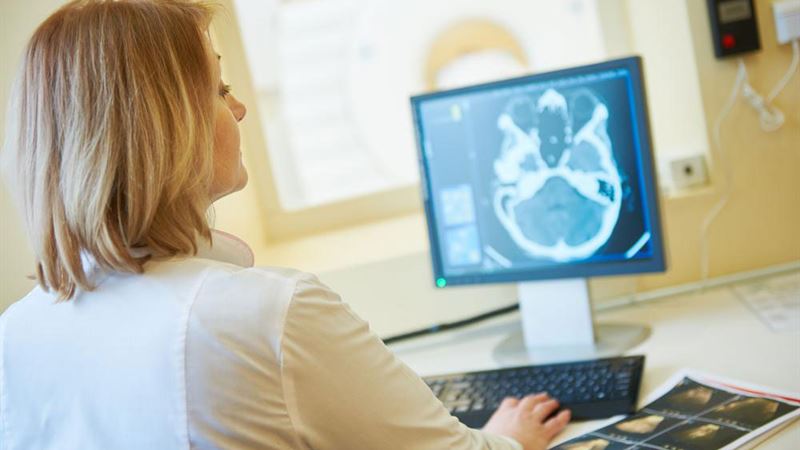
Understanding the Functionality of an MRI Scanner
An MRI machine operates by utilizing powerful magnetic fields and radiofrequency signals to interact with hydrogen atoms within the body. When a patient is positioned inside the scanner, these radio waves cause the hydrogen nuclei to temporarily align and then emit signals as they return to their original positions. It’s worth noting that this process does not involve any chemical alterations to the body's tissues. The emitted energy varies based on the type of tissue, providing valuable data that is captured by the scanner to create detailed images.
The Step-by-Step Procedure of a Knee MRI Scan
The process of conducting a knee MRI scan depends on the complexity of the injury or pathology present. Patients are typically managed as outpatients but can also be admitted if necessary. During the procedure, the patient lies flat on a motorized examination table. To ensure high-quality images, securing devices such as plastic straps are used to hold the knee in the correct position throughout the scan. Radiofrequency coils, small devices resembling coins placed near the knee, transmit and receive signals, improving the clarity and resolution of the images. The entire process generally lasts between 15 to 45 minutes, depending on the specific requirements of the scan and the equipment used.
MRI scans are predominantly painless; however, some patients may experience discomfort or anxiety related to being inside a confined, enclosed space. Those with claustrophobia or anxiety disorders might require sedation to stay still and calm during the procedure, ensuring optimal image acquisition. Post-scan, the images are reviewed by radiologists to detect any abnormalities such as ligament tears, cartilage damage, or other joint issues. This detailed imaging allows for accurate diagnosis and appropriate treatment planning.