
Comprehensive Guide to Different Types of Solar Panel Systems for Your Home and Business
Explore an extensive overview of various solar panel systems, including monocrystalline, polycrystalline, and thin-film options. Learn about their construction, efficiency, costs, advantages, and best applications to help you choose the ideal solar solution for your home or business. This comprehensive guide aims to inform decision-making and optimize solar investments for maximum benefit and durability.
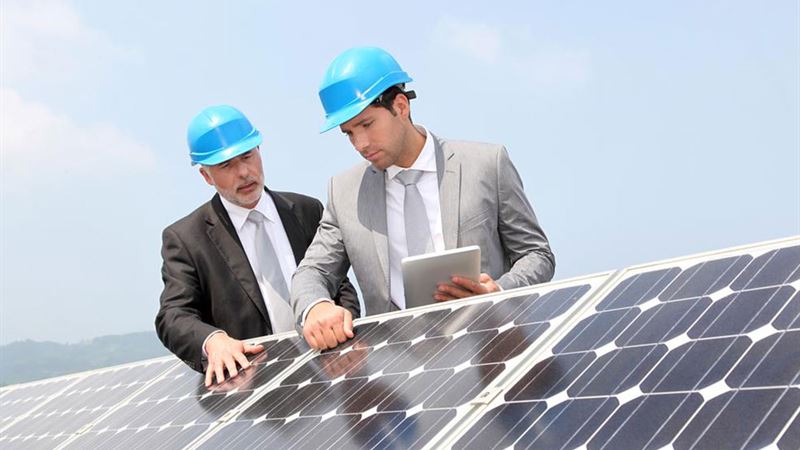
Harnessing solar energy has become increasingly popular as a sustainable and cost-effective way to generate power for residential and commercial purposes. Choosing the right type of solar panel system is crucial to maximize efficiency, lifespan, and overall savings. This detailed guide explores the main types of solar panels available in the market today, focusing on their construction, advantages, disadvantages, and ideal applications. Whether you're a homeowner considering solar installation or a business looking to reduce energy costs, understanding these options will help you make an informed decision.
Monocrystalline Solar Panels
Monocrystalline panels, often considered the most efficient type of solar technology, are made from single-crystal silicon. The manufacturing process involves slicing large silicon ingots into thin wafers, which are then processed into solar cells. These panels are distinguishable by their uniform dark color and rounded edges. Monocrystalline panels typically boast efficiency ratings between 15% and 22%, making them ideal for locations with limited space where maximizing power output is essential.
Benefits of monocrystalline panels include high efficiency, durability, and longevity, often backed by warranties of up to 25 years or more. They perform reliably even in low-light and hot conditions, making them suitable for various climates. However, their high manufacturing costs translate into a higher upfront investment, though the increased efficiency can offset this over time through greater energy savings.
Monocrystalline panels are a popular choice for residential rooftops with space constraints, since they deliver more power per square foot than other types. They are also favored in commercial installations where maximizing energy production in a limited area is critical.
Despite their advantages, monocrystalline panels are more sensitive to shading and temperature fluctuations than some other types. Proper installation and maintenance are necessary to ensure optimal performance.
Polycrystalline Solar Panels
Polycrystalline panels are produced using a different manufacturing process. Instead of slicing silicon ingots into wafers, molten silicon is poured into molds to produce blocks, which are then sliced into wafers. This method results in panels with a speckled blue appearance and less uniformity in color. Polycrystalline panels generally have slightly lower efficiencies, around 13% to 18%, but are still a popular choice for many residential applications due to their cost-effectiveness.
The manufacturing process of polycrystalline panels generates less waste, making them more environmentally friendly and economical. They tend to be less expensive than monocrystalline panels, making them accessible for budget-conscious homeowners and small businesses.
While their lower efficiency means that more space is needed to generate the same amount of power, their affordability and decent performance make them suitable for large rooftops or ground-mounted systems where space is plentiful. They perform reasonably well under various weather conditions but may experience slightly reduced efficiency when exposed to high temperatures.
A significant advantage is that polycrystalline panels generally come with warranties of 20 to 25 years, ensuring durability and a return on investment. Maintenance is similar to other panels, relying on regular cleaning to prevent dirt accumulation that could reduce performance.
Thin-Film Solar Panels
Thin-film solar technology involves depositing photovoltaic materials onto a flexible or rigid substrate, typically glass, plastic, or metal. Materials used include amorphous silicon, cadmium telluride, or copper indium gallium selenide. These panels are lightweight and flexible, allowing for easy installation on various surfaces and structures where traditional panels may not fit.
Advantages include lower manufacturing costs, easier scalability, and better performance in shaded or diffused light conditions. Thin-film panels are also less affected by temperature fluctuations, often maintaining a stable output in hot climates. However, they tend to have lower efficiencies, typically between 7% and 13%, meaning they require significantly more space to produce the same amount of energy as crystalline silicon panels.
Due to their lower efficiency, thin-film panels are often less suitable for space-constrained residential installations but can be advantageous in large-scale solar farms or areas with ample space to accommodate their size.
Their lighter weight and flexibility make them ideal for unconventional applications like building-integrated photovoltaics (BIPV) and portable solar devices. Nevertheless, thin-film panels generally have shorter lifespans, often around 10 to 15 years, and may require more frequent replacements or maintenance.
Warranty coverage for thin-film panels is usually shorter than crystalline options, reflecting their shorter lifespan and higher degradation rates under harsh weather conditions.
**Helpful Resources:** There are numerous online platforms where you can compare different types of solar panels, read reviews, and purchase systems. Popular websites include wholesalesolar.com, gogreensolar.com, and estimates.solar. Consulting these, along with local solar experts, can assist you in selecting the most suitable system for your energy needs and budget.