
Comprehensive Guide to Solar Panels: Benefits, Types, and Choosing the Right System
Discover the essentials of solar panels, including their types, benefits, and how to choose the best system for your home or business. Learn about silicon-based photovoltaics, efficiency considerations, and key factors influencing your solar investment, ensuring you make informed decisions with expert guidance. Maximize your energy savings and sustainability today.
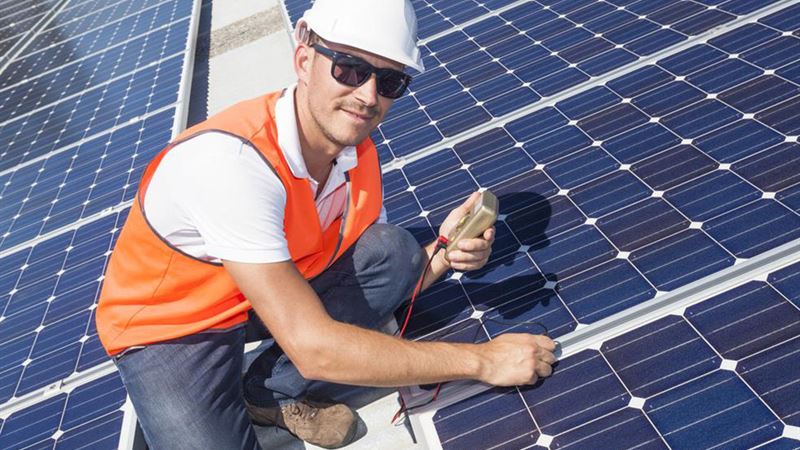
Solar panels play a pivotal role in reducing dependency on fossil fuels, decreasing greenhouse gas emissions, and promoting energy independence. As environmental concerns intensify and energy costs rise, investing in solar technology becomes increasingly attractive. Solar panels harness the sun's abundant energy, offering a sustainable and renewable source of electricity. This transition not only benefits the environment but can also result in significant savings on electricity bills over time. Moreover, solar energy systems can provide reliable power in areas with unstable grid connections, enhancing energy security for both residential and commercial properties.
Most photovoltaic panels are made using silicon, a semiconductor material renowned for its efficiency and durability. There are primarily two types of silicon used in solar cells: monocrystalline and polycrystalline. Each type has its own set of characteristics, benefits, and considerations that influence performance and cost.
- Monocrystalline Silicon Solar Panels
- Polycrystalline Silicon Solar Panels
Constructed from high-purity silicon ingots, monocrystalline panels are known for their superior efficiency and sleek appearance. They are characterized by a uniform dark color and rounded edges. These panels typically achieve efficiencies of 15-20%, making them ideal for limited space installations where maximizing power output is essential. Although their manufacturing process is more complex and costly, their higher efficiency can justify the investment by generating more electricity per square foot.
Made from multiple silicon fragments melted together, polycrystalline panels have a slightly less uniform appearance with a bluish hue and a speckled texture. They generally offer 13-16% efficiency at a lower manufacturing cost compared to monocrystalline panels. While they are slightly less space-efficient, their affordability makes them a popular choice for larger installations where space constraints are less critical.
When selecting a solar panel, several key factors come into play beyond just the type of silicon used. These include physical size, rated power output, cost, and the specific requirements of your location and energy consumption needs.
- Rated Power and Size
- Efficiency and Space Requirements
- Cost and Budget
- Performance in Different Climates
Solar panels are rated based on their wattage, with common options ranging from 180W to 220W for residential systems. Although panels of the same physical size can have different wattage ratings, opting for the highest rated output within your space constraints maximizes energy production. For example, a 220W panel will generate more electricity than a 180W panel of the same dimensions, making it a more efficient choice unless budget considerations suggest otherwise.
In scenarios where space is limited, monocrystalline panels are preferable due to their higher efficiency and smaller footprint. Conversely, polycrystalline panels, while slightly less space-efficient, can cover larger areas at a lower initial cost. Understanding your available installation space and long-term energy needs helps determine the most suitable panel type.
Generally, monocrystalline panels are more expensive but offer higher efficiency and a more aesthetic appearance. Polycrystalline panels are less costly and suitable for larger, budget-conscious projects. Deciding between these options depends on your specific goals, whether it’s maximizing space utilization or minimizing upfront costs.
Both types of silicon are durable and perform well across various climates; however, monocrystalline panels tend to perform slightly better under high temperatures, maintaining efficiency—all the more reason to consider your local climate when choosing a system.
Beyond the core types and wattage ratings, other factors contribute to the overall effectiveness and longevity of your solar system. These include:
- Material Quality and Durability
- Warranty and Support
- Installation and Maintenance
High-quality panels with superior materials offer better resistance to weather elements, UV degradation, and physical damage, ensuring a longer lifespan and consistent performance.
Opt for reputable manufacturers that provide substantial warranties—typically 25 years—to safeguard your investment. Good customer support can also be crucial if issues arise during operation.
Professional installation ensures optimal placement, wiring, and system integration, maximizing efficiency. Regular maintenance, such as cleaning and inspections, helps sustain performance and prevent potential problems.
Advancements in solar technology continue to enhance efficiency, reduce costs, and diversify options. New materials like perovskite and bifacial panels that harness sunlight from both sides promise to boost power generation significantly. Innovations in energy storage, grid integration, and smart monitoring systems further make solar energy a versatile and reliable solution for the future. Investing in high-quality panels today prepares homeowners and businesses to benefit from these developments, ensuring energy resilience and sustainability in the long run.
Choosing the right solar panel system is a multi-faceted decision influenced by your energy needs, budget, space availability, and environmental conditions. Both monocrystalline and polycrystalline options offer compelling advantages depending on your priorities. Consulting with a professional solar installer can provide valuable insights tailored to your specific situation. With proper planning, high-quality equipment, and professional installation, solar power can significantly reduce your energy costs while contributing positively to the environment, making it a smart investment for today and the future.