
Comprehensive Guide to Different Types of Solar Panels for Home and Commercial Use
This detailed guide explores various types of solar panels—monocrystalline, polycrystalline, and thin-film—highlighting their features, efficiencies, advantages, and ideal applications. It helps homeowners and businesses make informed decisions to maximize energy savings, durability, and aesthetic appeal while contributing to a sustainable environment. Learn how to choose the best solar technology suited to different needs, space constraints, and budgets to enjoy long-term benefits and a greener future.
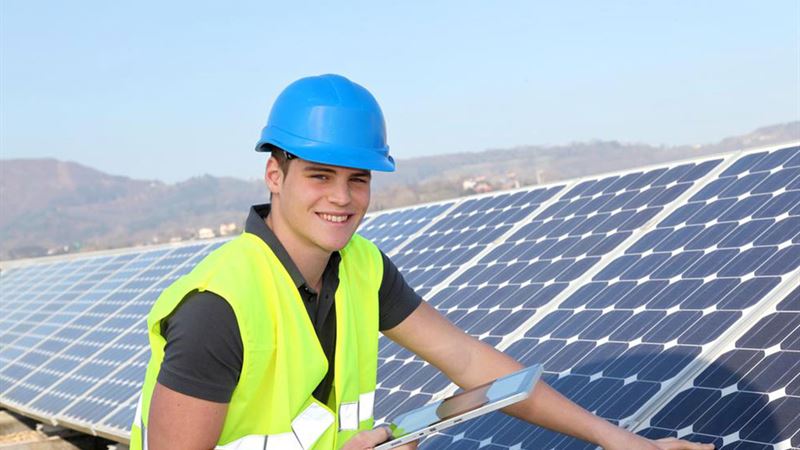
The shift towards renewable energy sources has made solar panels an essential investment for both homeowners and business owners aiming to reduce electricity costs and lessen environmental impact. Understanding the various types of solar panels available in the market is crucial for making an informed decision that aligns with your energy needs, budget, and installation space. This comprehensive guide delves into the main types of solar panels, including monocrystalline silicon, polycrystalline silicon, and thin-film solar panels, detailing their features, efficiencies, advantages, and disadvantages. Armed with this knowledge, you can select the most suitable solar technology for your specific application, contributing to a sustainable future while enjoying long-term savings.
Solar energy technology has rapidly evolved over the past few decades, transforming from a niche alternative into a mainstream source of power. As the cost of solar panels continues to decline and their efficiency improves, more individuals and organizations are opting to install solar systems. Selecting the right type of panel is vital for maximizing energy output, ensuring durability, and achieving a good return on investment. This article aims to provide an in-depth overview of the primary solar panel types, their manufacturing processes, performance characteristics, installation considerations, and typical applications.
Understanding the available options allows you to make strategic decisions that factor in your energy consumption patterns, available roof space, budget constraints, and aesthetic preferences. Whether you are a homeowner seeking to reduce monthly utility bills or a commercial enterprise aiming to enhance sustainability credentials, the right solar panel type can significantly influence your project's success. Additionally, user-friendly features such as flexibility, weight, and lifespan are critical considerations in choosing the best solar panel for your specific environment.
- Monocrystalline Silicon Solar Panels: The Premium Choice
Monocrystalline silicon, also known as single-crystal silicon, is considered the most efficient and long-lasting material for solar panels. These panels are crafted from high-purity silicon crystals grown in a single, continuous crystal structure, which results in superior electrical conductivity and energy conversion efficiency. The manufacturing process involves slicing wafers from cylindrical silicon ingots, giving them their characteristic circular shape and uniform appearance.
Monocrystalline panels usually boast efficiencies ranging from 18% to 22%, making them one of the highest-performing solar options available in the market. Their compact design allows for maximum power output using less space, making them ideal for installations where space is limited. Despite being more expensive upfront, their durability—often exceeding 25 years—coupled with higher energy production, offers excellent long-term value.
- Advantages of Monocrystalline Silicon Panels
• High efficiency, typically between 18% and 22%
• Long lifespan, often 25 years or more
• Space-efficient, producing more power in a smaller area
• Proven durability under various weather conditions
These panels are particularly suitable for residential rooftops, commercial installations, and areas where space optimization is critical. Their sleek black appearance provides an aesthetic appeal for modern buildings. While the initial installation cost is higher, the impressive energy yield and longevity make them a popular choice for those prioritizing performance and durability.
- Polycrystalline Silicon Solar Panels: A Cost-Effective Solution
Polycrystalline silicon panels, often called multicrystalline panels, are another prevalent type of solar technology. They are manufactured by pouring molten silicon into molds to form ingots, which are then sliced into wafers. Unlike monocrystalline panels, polycrystalline panels have a less uniform appearance, characterized by a speckled blue hue, owing to their multiple crystal structures.
These panels typically have slightly lower efficiencies, roughly between 13% and 17%, but compensate with lower manufacturing costs. They also require slightly more space to produce the same amount of energy as monocrystalline panels. Their lifespan remains comparable, often exceeding 25 years, and their performance remains stable over time.
- Benefits of Polycrystalline Silicon Panels
• Cost-effective, lower upfront investment
• Reasonable efficiency (~13-17%)
• Suitable for larger-scale installations where space is less constrained
• Durable with a lifespan comparable to other types
Polycrystalline panels are well-suited for utility-scale solar farms and large business projects where acreage permits. They tend to be slightly less efficient but still provide a reliable and affordable solar solution, making them popular among budget-conscious buyers and large-scale installations.
- Thin-Film Solar Panels: Flexible and Economical
Thin-film solar panels are distinguished by their lightweight design and flexibility. They are manufactured by depositing a thin layer of photovoltaic material—such as amorphous silicon, copper indium gallium selenide (CIGS), or cadmium telluride (CdTe)—onto a substrate made of steel, glass, or plastic. This manufacturing process simplifies production and reduces costs significantly.
Typically, thin-film panels deliver efficiencies between 10% and 13%, which is lower than crystalline silicon counterparts. However, they excel in applications that require lightweight, flexible materials or where aesthetics and integration with unusual surfaces are priorities. They also perform reasonably well in high-temperature environments, maintaining stable output.
- Advantages of Thin-Film Solar Panels
• Very lightweight and flexible, suitable for diverse surfaces
• Lower initial costs
• Capable of generating power at high temperatures, unlike crystalline panels
• Easier to install on curved or irregular surfaces
However, their reduced efficiency and shorter lifespan—ranging from 5 to 15 years—make them less suitable for small-area or long-term investments. Despite these limitations, their easy installation and aesthetic appeal make them ideal in specific scenarios such as building facades, portable solar devices, and integrated architectural solutions.
- Making the Right Choice for Your Solar Needs
Deciding which solar panel type to install depends on multiple factors including available space, budget, desired efficiency, and aesthetic preferences. Conducting comprehensive research or consulting with solar energy professionals can help you understand the optimal setup for your needs. When selecting a solar installation, consider aspects like environmental conditions, shading, tilt angles, and future expansion plans.
Solar panels are a vital component in the transition towards sustainable energy. Investing in the right type of solar technology not only reduces your carbon footprint but also provides financial benefits through energy savings and potential incentives. As the industry advances, new innovations continue to improve efficiency, durability, and cost-effectiveness, ensuring solar power remains an accessible and valuable energy solution for all.