
Comprehensive Guide to Managing and Treating Rosacea Effectively
This comprehensive article explores all aspects of rosacea, including symptoms, causes, triggers, risk factors, and advanced treatment options. It emphasizes the importance of early diagnosis, lifestyle changes, and personalized medical approaches to effectively manage and prevent severe skin and eye complications caused by rosacea. Ideal for individuals seeking detailed knowledge, it provides practical tips for lifestyle modifications and medical treatments to enhance skin health and confidence over time.
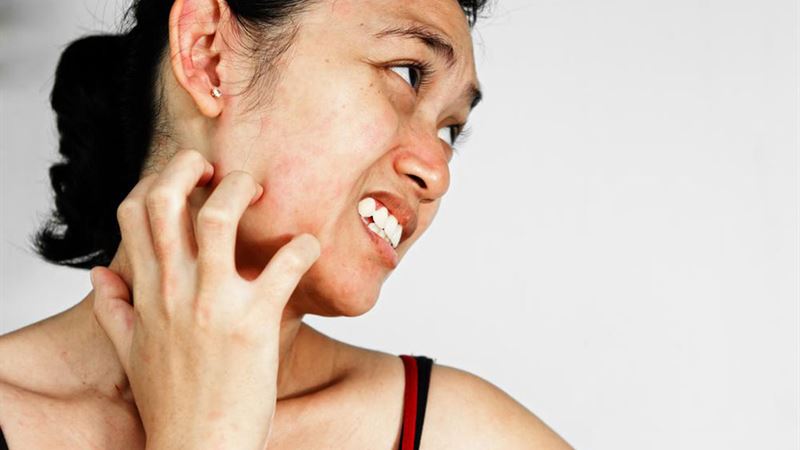
Rosacea is a common yet often misunderstood skin condition that affects millions worldwide. Characterized by redness, visible blood vessels, and sometimes pimples, rosacea primarily targets facial skin, especially around the nose and cheeks. Understanding its symptoms, triggers, and treatment options can greatly improve quality of life for those affected. This in-depth guide covers everything from recognizing symptoms to exploring advanced treatment methods and preventive strategies, enabling individuals to take control of their skin health effectively.
Rosacea manifests in various forms, each presenting unique challenges. The most noticeable symptom is persistent redness, often accompanied by small blood vessels that become prominent on the skin surface. These small, dilated vessels can give a flushed appearance, which worsens during flare-ups. For many, rosacea also causes swollen red bumps, similar to acne, which may contain pus, making skin sensitive and tender. These bumps and redness often appear in cycles, with periods of exacerbation and remission, complicating diagnosis and management.
Beyond superficial skin effects, rosacea can impact eye health. Approximately 50% of those with rosacea experience ocular symptoms, including dry, itchy, swollen, and reddened eyelids. Such symptoms may include blurred vision and a sensation of grittiness or foreign body presence in the eye. This condition, termed ocular rosacea, requires prompt medical attention to prevent long-term vision issues. In cases where rosacea progresses, skin thickening might occur around the nose, leading to a bulbous or swollen appearance known as rhinophyma. Although rare, this manifestation is more common among males and can develop gradually over several years.
If you notice ongoing redness, burning, or swelling on your face, consulting a dermatologist or qualified healthcare professional is crucial. Proper diagnosis ensures that you receive targeted treatment, preventing the condition from worsening. While the exact cause of rosacea remains unknown, it is believed to result from a combination of genetic predisposition and environmental factors. Certain triggers can lead to flare-ups by increasing blood flow to facial blood vessels, thus exacerbating symptoms.
Common triggers include spicy foods, hot beverages, exposure to extreme temperatures, windy conditions, intense sunlight, emotional stress, vigorous exercise, and the use of unsuitable cosmetics. Some medications, particularly those that dilate blood vessels like certain blood pressure drugs, may also provoke rosacea symptoms. Importantly, rosacea is not caused by poor hygiene; rather, it is a complex condition influenced by internal and external factors.
Understanding your risk factors can help in early detection and management. Women tend to be more frequently affected than men, although men with rosacea often develop more severe cases. Fair-skinned individuals are at heightened risk because their skin is more vulnerable to sun damage and environmental stressors. Age is also a significant factor; most cases are diagnosed in people over 30 years old. Additionally, genetics play a role, with rosacea sometimes running in families.
While rosacea generally remains manageable, it can sometimes progress to severe stages. In advanced cases, excessive tissue growth around the nose causes rhinophyma, which appears as thickening and bulbous swelling. This complication is more prevalent in men and develops gradually. Such advanced stages require specialized treatments to remove excess tissue and restore skin appearance.
Treatment strategies focus on controlling symptoms and minimizing flare-ups. A combination of skincare routines and medical therapies is typically recommended, tailored to the severity and type of rosacea. Early intervention can prevent escalation and improve skin health over time. Since rosacea tends to recur, ongoing management is essential for long-term control.
- Reducing facial redness
Topical medications, such as gels and creams, are effective in constricting blood vessels, providing temporary relief from redness. These products can offer effects lasting up to 12 hours but require consistent application daily for sustained results. Various topical treatments also target papules and pustules, helping to manage those particular symptoms. The benefits usually last between 3 to 6 weeks before reapplication is needed. - Systemic medications
Oral antibiotics, particularly those with anti-inflammatory properties, can reduce bacterial overgrowth and inflammation associated with rosacea. These medications are typically prescribed when topical treatments are insufficient or for more severe cases. Some drugs may target specific symptoms like eye irritation or skin thickening, helping to control complex manifestations of rosacea.
In addition to medications, lifestyle modifications play a pivotal role in managing rosacea. Avoiding known triggers, maintaining a gentle skin care routine, and sun protection are fundamental strategies. Using broad-spectrum sunscreens, avoiding harsh cleansers, and incorporating soothing products can reduce skin irritation. For many, stress management and avoiding extreme environmental exposures significantly diminish flare-ups. Regular follow-up with healthcare professionals ensures optimal treatment adjustments and better symptom control.