
Understanding the Causes and Remedies for Pain Behind the Knee
Discover comprehensive insights into causes behind pain behind the knee, including cysts, blood clots, injuries, and degenerative conditions. Learn symptoms, diagnosis, and treatment options to effectively manage posterior knee pain and regain mobility with expert advice and remedies.
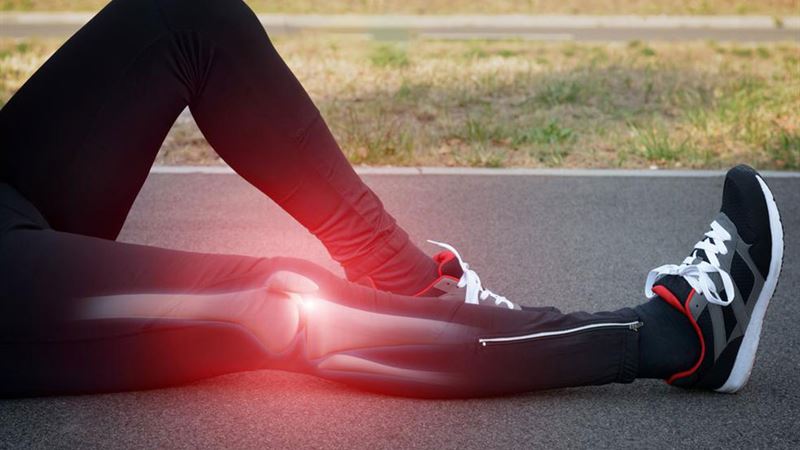
Experiencing pain or discomfort behind the knee can be concerning and disruptive to daily life. Such pain may stem from various underlying conditions, ranging from minor injuries to more serious health issues. Recognizing the specific cause is essential for effective treatment and relief. Common causes include joint conditions like arthritis, cyst formation, blood clots, or injuries to muscles and tendons. Understanding these causes helps in seeking the appropriate medical care and adopting effective strategies to manage the pain and restore mobility.
In this comprehensive guide, we delve into the most common reasons behind posterior knee pain, including cysts, blood clots, injuries, and degenerative conditions. We’ll also explore symptoms, diagnosis procedures, and treatment options—both home remedies and medical interventions. Whether you're experiencing sudden sharp pain, persistent discomfort, or swelling, this article equips you with the knowledge needed to identify potential causes and seek timely help.
**Baker’s Cyst and Its Role in Posterior Knee Pain**
A prevalent cause of behind-the-knee discomfort is Baker’s cyst, also known as a Popliteal cyst. This fluid-filled swelling forms at the back of the knee in response to joint issues like arthritis or injury. The cyst develops as a sac that fills with synovial fluid, often resulting from increased joint fluid production due to inflammation or degenerative processes. Repetitive knee movements, such as frequent bending and flexing, can exacerbate fluid accumulation, leading to cyst formation.
In many cases, Baker’s cyst causes noticeable swelling, usually resembling a small balloon behind the knee. This swelling may be accompanied by pain, tightness, or restricted movement, especially during kneeling or bending. While small cysts may resolve on their own or respond to conservative treatments like ice therapy, larger or persistent cysts might require medical intervention, including aspiration or surgical removal.
Managing a Baker’s cyst involves reducing inflammation and swelling through resting the knee, applying ice packs, and taking anti-inflammatory medications. Physical therapy can also help improve joint function and alleviate discomfort. If the cyst causes significant pain or impairs movement, consulting an orthopedic specialist is advised to explore further treatment options.
**Deep Vein Thrombosis: A Dangerous Cause of Leg Pain Behind the Knee**
Deep vein thrombosis (DVT) refers to the formation of blood clots within deep veins, often located behind the knee or in the calf region. DVT can be life-threatening if a clot dislodges and travels to the lungs, causing a pulmonary embolism. Symptoms include swelling, warmth, redness, and persistent pain behind the knee and in the affected leg.
While DVT may be less common, it’s crucial not to overlook it, especially if the pain worsens, or if accompanied by swelling or skin discoloration. Risk factors include prolonged immobility, recent surgeries, injury, or certain medical conditions that promote blood clotting.
Diagnosis involves imaging tests such as Doppler ultrasound, which help visualize blood flow and detect clots. Treatment typically includes blood-thinning medications to prevent clot growth and reduce the risk of embolism. Managing risk factors, staying active, and following medical advice are essential for recovery and prevention.
**Injuries and Overuse as Causes of Knee Behind-the-Scene Pain**
Many cases of posterior knee pain originate from injuries sustained during accidents, sports, or overexertion. These injuries often involve tears or overstretching of muscles or tendons around the knee, leading to localized pain and inflammation.
Common injury-related causes include tendinopathies, muscle tears, and ligament injuries. The back of the knee is particularly vulnerable during physical activities that involve sudden stops, twisting motions, or excessive strain.
Treatment varies based on the severity of the injury. Rest, ice, compression, and elevation (RICE) are initial steps for mild strains or swelling. More severe injuries may require physiotherapy, medication, or even surgical intervention. Proper warm-up, technique, and strengthening exercises can help prevent injury recurrence.
**Calf Muscle and Tendon Issues Leading to Posterior Knee Pain**
Overuse and strain on calf muscles and tendons frequently cause posterior knee discomfort. Conditions like gastrocnemius tendinopathy occur when repetitive calf muscle activity results in tendon degeneration, leading to pain and inflammation. Athletes, especially runners and cyclists, are prone to this condition due to prolonged overuse.
The hamstring group, particularly the biceps femoris tendon, also plays a role. Excessive or improper strenuous activity can cause small tears and inflammation, resulting in pain on the outer side of the knee. Hamstring tendinopathy often improves with physiotherapy, stretching, and strengthening routines.
**Hamstring Tendonitis: Overexertion and Technique Issues**
Hamstring tendonitis arises from repetitive strain or improper sports techniques. It manifests as dull or sharp pain at the back of the knee, especially during activities involving repetitive flexing and extending of the leg. Overuse and sudden increases in activity intensity can exacerbate this condition, making recovery longer.
Preventive measures include proper warm-up routines, stretching, and adherence to correct sport techniques. Rest periods and cross-training can also help reduce strain on the hamstring tendons.
**Tears in Calf Muscles and the Impact of Sports Injuries**
Severe calf muscle tears, often called 'tennis leg,' can cause intense pain behind the knee. These tears may involve the gastrocnemius muscle or the plantaris tendon. Such injuries are common during high-impact sports or sudden movements, causing sudden, sharp pain, swelling, and difficulty walking.
Injuries like these require immediate rest, ice therapy, compression, and elevation. Severe cases might need surgical repair or physiotherapy. Proper warm-up and conditioning are essential to minimize injury risk.
**Posterolateral Corner Injuries and Their Effects**
Injuries to the posterolateral corner of the knee result from direct trauma, such as car accidents or sports collisions. These injuries cause pain on the outer and posterior aspects of the knee and affect stability and movement. Though less frequent, these injuries require specialized assessment and management by orthopedic professionals.
**Meniscus Tears: A Common Cause of Rear Knee Pain**
The menisci are C-shaped cartilage structures that stabilize the knee joint and absorb shock. Tears often occur during twisting motions or as a consequence of degeneration with age. Symptoms include pain, swelling, locking, or giving way, especially when twisting or bearing weight.
Diagnosis involves physical examination and imaging studies, such as MRI. Treatment options range from conservative management to surgical repair, depending on the tear's severity. Early intervention helps prevent further damage and restore function.