
Comprehensive Strategies for Preventing and Managing Venous Thrombosis at Home
This comprehensive guide provides effective strategies for preventing and managing venous thrombosis at home. It covers medical treatments, lifestyle changes, natural remedies, and safety precautions to ensure proper care and reduce risks associated with blood clots. Learn how to support your vascular health through practical steps, herbal supplements, and ongoing medical supervision, empowering you to take control of your condition and enhance your quality of life.
Venous thrombosis, also known as deep vein thrombosis (DVT), is a serious medical condition characterized by the formation of blood clots within deep veins, predominantly in the legs. If left untreated, these clots can dislodge and travel to the lungs, causing a potentially life-threatening condition called pulmonary embolism. Fortunately, a combination of medical treatments, home care practices, lifestyle modifications, and natural remedies can effectively manage and prevent venous thrombosis. This detailed article offers an extensive guide on how to handle this condition from the comfort of your home, alongside essential precautions, treatment options, and herbal therapies to improve outcomes and quality of life.
Understanding Venous Thrombosis
Venous thrombosis occurs when blood flow becomes sluggish or obstructed within the veins, leading to clot formation. Common risk factors include prolonged immobilization, inherited clotting disorders, obesity, smoking, certain medications, pregnancy, and advanced age. Recognizing early symptoms such as swelling, pain, redness, and warmth in the affected limb is crucial for prompt intervention. If symptoms worsen or if there is sudden chest pain or difficulty breathing, immediate medical attention is necessary.
Medical Treatment and Home Management
Effective management of venous thrombosis involves a combination of anticoagulant medications, lifestyle changes, and supportive therapies that can be administered at home under medical supervision. Proper adherence to prescribed treatments ensures clot stabilization, prevents growth, and minimizes the risk of embolism.
Home-Based Medical Management
- Anticoagulant Medications: Medications like warfarin, heparin, and direct oral anticoagulants (DOACs) are essential in preventing clot extension and new clot formation. These drugs must be taken exactly as prescribed, with regular blood tests such as partial thromboplastin time (PTT) or INR to monitor their effectiveness. Do not alter medication doses without healthcare provider approval.
- Monitoring and Safety: Frequent lab testing helps maintain the correct therapeutic range. Over-anticoagulation increases bleeding risk, while under-anticoagulation leaves you vulnerable to recurrent clots. Use caution in activities to avoid falls or injuries that could cause bleeding complications. Wearing protective gear and avoiding contact sports are recommended.
Practical Tips for Effective Home Treatment
- Leg Elevation: Elevating the affected limb above heart level for 15-30 minutes several times daily promotes venous return and reduces swelling. Use pillows or ergonomic supports to maintain elevation comfortably.
- Physical Activity: Gentle walking or movement exercises enhance blood flow and decrease the likelihood of clot development. Consult your healthcare provider for specific activity guidelines, especially if experiencing pain or swelling.
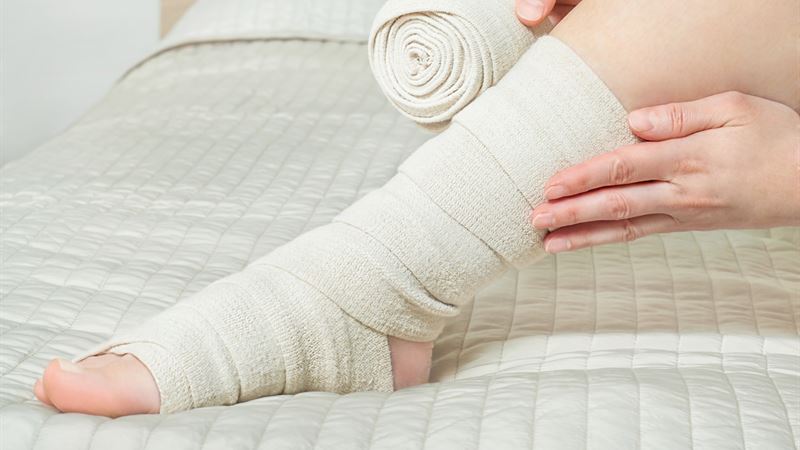
- Compression Therapy: Wearing graduated compression stockings helps apply consistent pressure, preventing blood pooling and clot formation. Ensure proper fitting and follow your healthcare provider's instructions for wearing duration and compression levels.
Key Lifestyle Changes for Reducing Risks
- Diet and Nutrition: Reduce salt, sugar, and saturated fats to manage cholesterol and blood pressure. Incorporate heart-healthy foods like fruits, vegetables, whole grains, and lean proteins to improve vascular health.
- Weight Management: Achieving and maintaining a healthy weight decreases pressure on veins and reduces clot risk.
- Smoking Cessation: Quitting smoking improves circulation and enhances the effectiveness of treatment.
- Limit Sitting Time: Avoid prolonged periods of immobility, especially during travel or work. Stand up, stretch, and walk frequently to promote circulation.
- Hydration: Drink adequate fluids, mainly water, to prevent blood from thickening and to facilitate proper blood flow.
Natural Remedies and Herbal Support for Venous Thrombosis
While conventional medications are primary in managing venous thrombosis, several herbal remedies can support vascular health, reduce inflammation, and improve circulation. Always consult your healthcare provider before starting any herbal supplements or natural therapies.
- Ginger: Known for its anti-inflammatory and blood-thinning properties, ginger contains acetylsalicylic acid, which prevents clot formation. Incorporate fresh ginger into meals or enjoy ginger tea to boost circulation and alleviate pain.
- Cayenne Pepper: As a natural vasodilator, cayenne peppers help improve blood flow and lower blood pressure. Use in cooking or as supplements, but start with small doses to assess tolerance.
- Omega-3 Fatty Acids: Found in fatty fish and fish oil supplements, omega-3s help decrease blood triglyceride levels, reduce inflammation, and promote vessel health. Regular intake supports the prevention of blood clots.
- Turmeric: Its active compound, curcumin, improves endothelial function and reduces clotting risks. Add turmeric powder to dishes or mix with warm milk and honey for therapeutic benefits.
Additional Preventive Measures
Preventing venous thrombosis is equally important as managing existing clots. Regular check-ups, vascular assessments, and following medical advice can significantly reduce the likelihood of recurrence. Ensure to communicate any new symptoms or side effects promptly with your healthcare team.
In summary, managing venous thrombosis requires a comprehensive approach combining prescribed medications, lifestyle modifications, supportive home care, and herbal support. Adopt a proactive attitude to health, stay vigilant, and work closely with your healthcare providers for optimal outcomes.