
Comprehensive Guide to Accessing and Managing Your Medical Records Online
This comprehensive guide explains how patients can access, view, and manage their medical records online. It covers methods through hospital portals, health apps, and insurance sites, as well as step-by-step procedures for creating accounts and maintaining privacy. The importance of digital health records in improving healthcare communication, emergency response, and personal health management is emphasized. It also discusses costs, legal rights, and security measures, empowering individuals to take control of their medical information confidently and securely in a digital era.
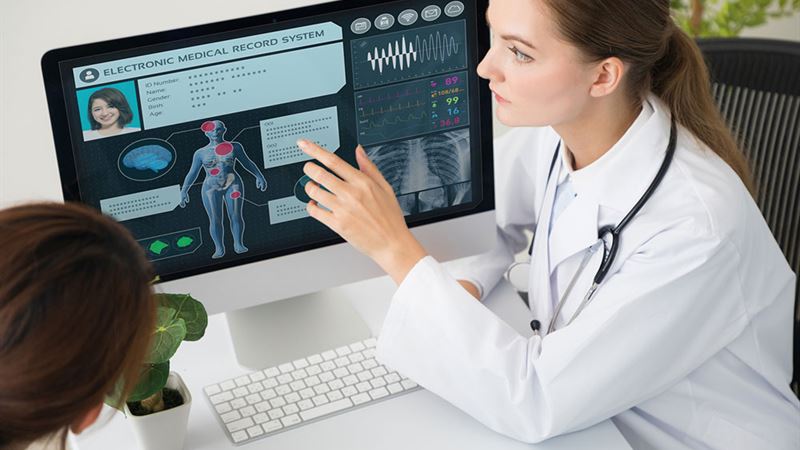
How to Access Medical Records via Online Platforms
- Hospital and Clinic Patient Portals
Most healthcare providers now offer secure online portals where patients can access their medical records electronically. These platforms are typically accessible through the hospital or clinic’s official website or dedicated app. To get started, you will need to log in with secure credentials. These portals often provide more than just record access — features such as appointment scheduling, medication management, and direct messaging with healthcare professionals also enhance the overall patient experience. - Mobile Health Applications
A variety of healthcare apps are designed to facilitate access to medical information. These apps may sync with Electronic Health Records (EHR) systems, providing users with easy-to-navigate interfaces that allow viewing, downloading, and sharing health data directly from smartphones or tablets. Such apps are often compatible with multiple devices and platforms, boosting their usability.
- Health Insurance Provider Portals
Many insurance companies also have dedicated online portals that allow policyholders to view coverage details, submit claims, and access their medical histories. These platforms integrate with healthcare providers to give a comprehensive picture of insurance benefits and medical records, making managing healthcare plans more streamlined. - Steps to View and Access Medical Data Online
- Contact Your Healthcare Provider
The first step is to reach out directly to your healthcare provider — hospital, clinic, or healthcare network where you received services. Make inquiries about their online medical records service and how to gain access. - Request Online Access
Many institutions now offer digital platforms for patient record management. Visit their official website or contact their support team to facilitate your request. You might find dedicated sections for patient portal access or online health records. - Create a Patient Account
Once you decide to access your records online, you will need to set up a secure user account. This process involves providing personal information and verifying your identity through various methods, such as email confirmation or security questions. - Verify Your Identity
To protect sensitive health data, healthcare providers often implement a verification process. You may be asked to submit identification documents or answers to security questions before gaining full access. - Access Your Records
After successful registration and verification, log in to the portal using your credentials. You might need to fill out a release form or consent document to enable access to specific records. - Download or Print Records
Most portals enable users to download copies of their health records or print summaries for offline use. This feature is valuable for personal records, sharing with other doctors, or legal purposes. - Request Records via Email or Fax
If online portal access is unavailable or specific documents are needed, sending a request via email or fax provides an alternative. For example, requesting surgical notes detailing the type of instruments used during a procedure can often be done this way. - Seek Support
If you encounter difficulties navigating the portal or understanding your records, customer support services are available. Hospitals and clinics typically offer helpdesk or chat support to guide users through the process. - Understand Privacy and Security Policies
It is crucial to be aware of the security protocols in place. Patient portals adhere to strict privacy regulations to ensure your health information remains confidential. Know what measures are implemented to protect your data and whom to contact for concerns. - Accessing Military Medical Records from the Department of Veterans Affairs (VA)
Veterans can request their military health records by filling out VA Form 180 and mailing it to the designated VA records custodian. This process ensures your service-related medical information is preserved and accessible digitally or physically.
Why Online Medical Records Are Essential in Modern Healthcare
Online health records have revolutionized the way patients and healthcare providers interact. They facilitate seamless communication, enable quick access to critical health data during emergencies, and improve care coordination. Digital records empower patients to take charge of their health, make informed decisions, and adhere to treatment plans more effectively. Additionally, clinicians can update treatments promptly, access comprehensive patient histories, and avoid redundant tests or procedures.Legal and Privacy Considerations
While most health records are accessible for free through portals, there are exceptions. Some records, especially sensitive psychiatric notes or legal documents, may be restricted or require special authorization. If records are denied, patients can file a complaint with the Office of Civil Rights (OCR). Privacy measures, such as encryption and multi-factor authentication, ensure your data is protected against unauthorized access.Cost of Accessing Medical Records
Generally, viewing or downloading your medical records online is free. However, additional fees might apply for hard copies, printed reports, or electronic media like USB drives. Policies vary among providers but usually do not exceed $2 per page or a flat fee for specific services. Being aware of potential costs helps manage expectations and plan accordingly.In conclusion, gaining online access to your medical records offers a proactive approach to healthcare management. It enables individuals to stay informed about their health status, facilitates better communication with healthcare providers, and promotes personalized care. Understanding the process, security measures, and legal considerations ensures that you utilize these digital tools effectively, empowering you to take control of your health and well-being in today's connected world.