
Recognizing and Preventing Concussions: Essential Signs and Safety Measures
This comprehensive guide explains how to recognize the signs of a concussion, emphasizes the importance of early detection, and offers practical safety tips to prevent head injuries. By understanding symptoms like confusion, dizziness, and memory loss, individuals can seek prompt medical care, ensuring quicker recovery. The article highlights preventive measures, including wearing helmets and seat belts, promoting awareness for safer activities and reducing concussion-related risks. Staying informed and cautious is essential for maintaining overall health and avoiding severe consequences of head trauma.
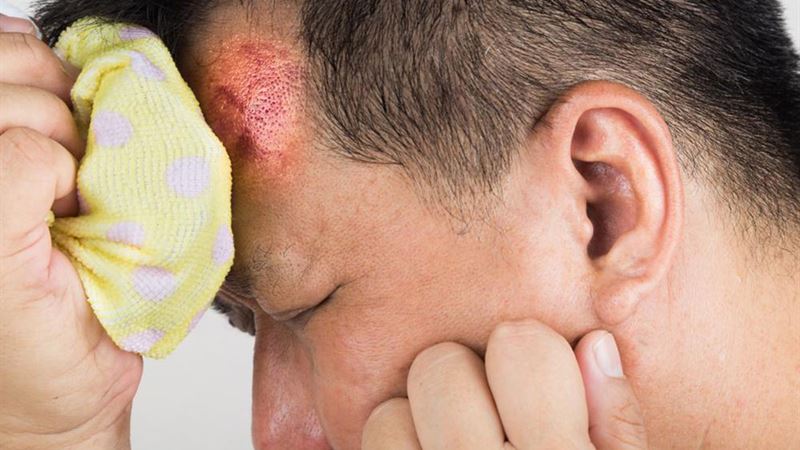
Concussions, particularly those classified as severe, can have significant health implications. A Grade 3 concussion is characterized by more serious symptoms, including the potential loss of consciousness, which may last from a few seconds to several minutes. Recognizing these signs early and seeking immediate medical attention is crucial for effective treatment and recovery. Concussions are common and often not dangerous if managed properly, but under certain circumstances, they can lead to complications. Therefore, understanding how to identify the symptoms and adopt preventive measures is essential for maintaining health and safety.
Concussions can be tricky to diagnose because their symptoms are often subtle and do not appear immediately after injury. Sometimes, symptoms may only manifest days after the initial head trauma. This delay can make it challenging to recognize and treat the condition promptly. For this reason, knowing the subtle signs of concussion becomes vital for both individuals and caregivers. Recognizing these indicators can help you respond swiftly, potentially avoiding long-term effects or serious health issues.
Key indicators of a concussion include various physical, cognitive, and emotional symptoms. While these signs are not always obvious, being aware of them can significantly enhance early detection. Some of the most common signs to watch out for are:
- Feeling dazed, confused, or disoriented
- Clumsiness or balance issues
- Nausea or episodes of vomiting
- Speech difficulties or slurred speech
- Blurred or double vision
- Sensitivity to light and noise
- Ringing in the ears (tinnitus)
- Sudden personality or behavioral changes
- Difficulty concentrating or maintaining focus
- Memory loss or forgetfulness
- General confusion and disorientation
- Feeling dazed, confused, or disoriented
- Clumsiness or balance issues
- Nausea or episodes of vomiting
- Speech difficulties or slurred speech
- Blurred or double vision
- Sensitivity to light and noise
- Ringing in the ears (tinnitus)
- Sudden personality or behavioral changes
- Difficulty concentrating or maintaining focus
- Memory loss or forgetfulness
- General confusion and disorientation
Despite the concerns associated with head injuries, most concussions are manageable with proper care. Recognizing the signs early allows for timely intervention, which can significantly improve recovery outcomes. Medical evaluation is recommended whenever symptoms appear, especially if they worsen or do not improve over a short period. Preventive measures are equally important to reduce the risk of concussion and its possible consequences.
Preventing concussions involves adopting safety precautions during activities that pose a risk of head injury. For example, always wear a helmet when cycling, skateboarding, or participating in contact sports. Seat belts should be used diligently when riding in vehicles, and children should be supervised to ensure safety equipment is used correctly. When experiencing early symptoms of a concussion, avoiding activities like driving or operating heavy machinery is essential to prevent further injury.
Additionally, maintaining calmness and awareness when symptoms appear can help manage the situation effectively. Remember that most concussion symptoms are temporary and will subside with rest and proper care. Important steps such as resting, avoiding strenuous activities, and seeking medical consultation are critical in ensuring a full recovery. Educating oneself and loved ones about concussion symptoms and prevention strategies is the key to minimizing health risks associated with head injuries.
In conclusion, while concussions are common injuries that may not always be severe, ignoring the early signs can lead to more serious health complications. Understanding the symptoms facilitates timely medical intervention and reduces the risk of long-term consequences. Always prioritize safety by wearing appropriate protective gear and avoiding risky activities when feeling unwell. By staying vigilant and proactive, you can effectively safeguard your health and well-being following any head injury.