
Comprehensive Guide to Training Your Service Dog for Public Readiness
This comprehensive guide details essential training techniques for service dogs, including commands like 'Down and Stay,' 'Under,' 'Leave It,' 'Heel,' and the importance of house training. Proper training ensures service dogs can work effectively in public, remain unobtrusive, and respond confidently to handler cues. From impulse control to calm behavior, this guide offers valuable insights for handlers seeking to prepare their service animals for daily tasks and public outings, promoting safety, independence, and seamless integration into everyday life.
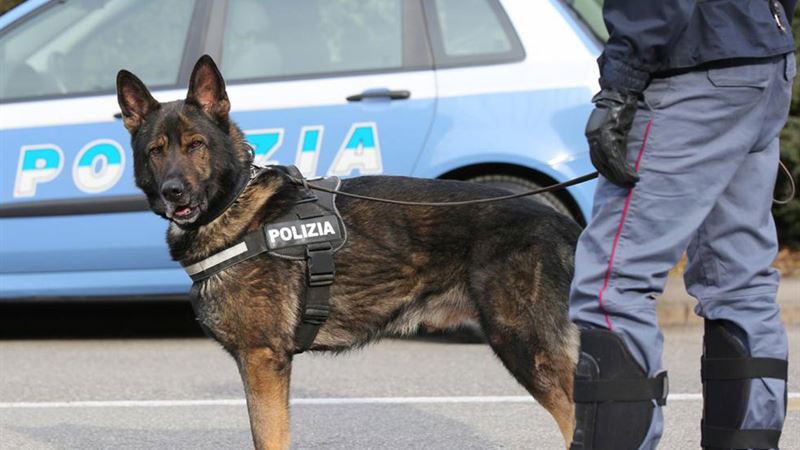
Mastering the 'Down and Stay' Command
In the world of service dog training, one of the foundational skills every dog must acquire is the ability to settle calmly in public settings. Service dogs often accompany their handlers to busy, unpredictable environments where they will interact with strangers, other animals, and numerous stimuli. Therefore, training your dog to reliably perform the 'Down and Stay' command is essential. This command involves instructing the dog to lie down on command and remain in that position for extended periods, ideally at least two hours, without engaging in unnecessary movement or distractions. Achieving this requires patience, consistency, and positive reinforcement techniques. Proper training ensures your service dog can relax, remain focused, and be ready to respond promptly when needed, thereby maintaining safety and independence for their handler. Effective training includes gradual exposure to distractions, using treats and praise to reinforce calm behavior, and practicing in different environments to build reliability across varied settings.
The 'Under' Behavior and Its Importance
Teaching your service dog to perform the 'Under' command helps integrate discretion and unobtrusiveness into their behavior. This command involves instructing the dog to tuck itself under an object, such as a chair or with outstretched legs. By doing so, the dog becomes less of an obstruction in crowded or confined spaces, which is crucial when navigating public transportation, restaurants, or busy streets. The 'Under' command promotes safety and courtesy, preventing accidental trips or disruptions. Training your dog to perform this behavior requires gentle guidance and consistent reinforcement, gradually increasing the duration and variety of environments. This discipline also fosters the dog's ability to remain calm and focused while remaining discreet during service tasks. Properly conditioned, a service dog that can perform the 'Under' behavior ensures a more seamless experience for both handler and others around them.
Teaching 'Leave It' for Better Impulse Control
Impulse control is vital in service dog training, and the 'Leave It' command is central to this skill. It teaches the dog to ignore distractions such as food, objects, or behaviors in the environment that are inappropriate for engagement. For instance, a service dog should resist the urge to sniff out food on the ground, nibble on unfamiliar items, or get overly social with strangers. Introducing 'Leave It' involves initial training in a controlled setting using treats and toys, gradually increasing the difficulty level by adding environmental distractions. Reinforcing this command helps prevent unwanted behaviors in public, ensuring the dog remains focused on the handler’s cues. Consistent practice, patience, and positive reinforcement are key to developing reliable response to 'Leave It.' When mastered, this command equips your service dog with the self-control necessary to navigate complex environments safely and responsibly.
The 'Heel' Command for Proper Public Walking
Proper heel work is another critical skill for service dogs. The 'Heel' command instructs the dog to walk close to the handler’s side, usually on a loose lead, maintaining focus and composure despite external stimuli. Effective heel training ensures the dog remains attentive to the handler, ignores distractions such as other animals or loud noises, and avoids impulsive behaviors like pulling or lunging. Developing this skill involves consistent practice, positive reinforcement, and gradually introducing more challenging environments. A well-trained 'Heel' provides the handler with confidence and control, especially in crowded or unpredictable settings, making everyday outings safer and more manageable. The ultimate goal is to create a reliable, calm walking behavior that facilitates the handler’s independence and safety in any public scenario.
House Training for Behavior Consistency
Reliable house training forms the backbone of a well-behaved service dog. It involves teaching the dog proper bathroom habits, as well as appropriate behaviors both inside and outside the home. Consistent routines, clear signals, and positive reinforcement are necessary to ensure the dog understands expectations and maintains good habits when in public. Proper house training minimizes accidents and promotes the dog’s overall discipline. Additionally, reinforcing good manners in the home translates to better behavior outdoors, as the dog learns to distinguish between appropriate and inappropriate behaviors across different environments. Establishing a strong foundation of house training helps your service dog become a trustworthy, well-mannered companion ready to assist in all aspects of daily life.