
Comprehensive Guide to Effective Dog Training: Top Strategies for a Well-Behaved Pet
Discover an in-depth guide on dog training with proven strategies like positive reinforcement, clear communication, and proper nutrition. Learn how patience and consistency can transform your pet into a well-behaved companion. This comprehensive article provides practical tips to enhance your training approach, fostering a loving and disciplined relationship with your dog. Whether you're a new pet owner or experienced, these insights can help you achieve better results in training and behavior management, ensuring a happier life for you and your furry friend.
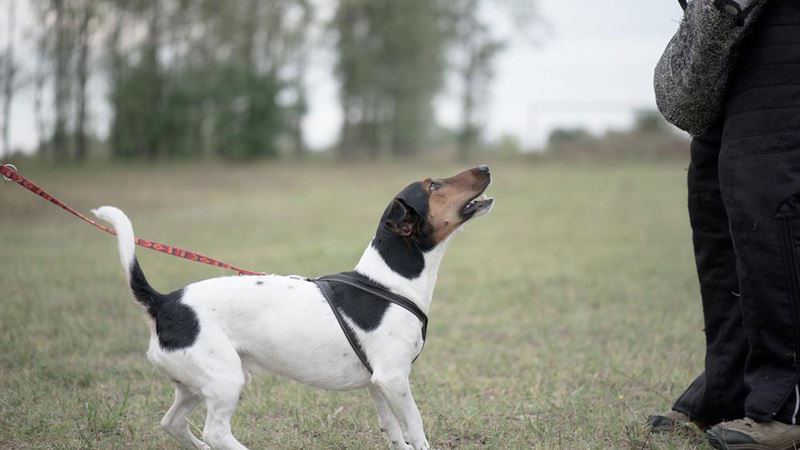
Express Affection Generously
Building a strong bond with your dog is fundamental to successful training. While it’s natural to correct undesirable behaviors, it’s equally important to acknowledge and praise your dog's good actions. Positive reinforcement, such as verbal praise and tasty treats, helps your dog associate good behavior with rewards. Overdoing it slightly with affection or treats can boost your pet’s confidence and reinforce obedience, making training sessions more effective and enjoyable. Remember, dogs thrive on love and encouragement.
Understand Your Dog’s Food Preferences
Not all foods appeal equally to dogs. Paying attention to what your dog prefers can make training and feeding more successful. Puppies, for instance, generally favor moist, soft treats that are easy to chew and encourage licking behavior. Hard, crunchy snacks might not be as stimulating for some dogs and could lead to frustration. Experiment with different textures and flavors—chewy, tender, or semi-moist foods—to find what motivates your dog best. Tailoring treats to your pet's preferences can greatly enhance communication and cooperation.
Communicate Clearly and Consistently
Dogs respond best when they understand exactly what is expected of them. Instead of solely correcting unwanted behaviors, clearly instruct your dog on what you want him to do. Using simple commands consistently helps prevent confusion. For instance, reinforcing a command like “sit” only when issuing the same tone and word ensures your dog doesn’t get confused by differing instructions from different family members. Consistent communication speeds up training and solidifies good manners.
Practice Consistency Among Family Members
For training efforts to be effective, all members of the household must follow the same rules and cues. Mixed signals and inconsistent commands can undermine your dog's learning process. Establish and communicate the preferred commands and boundaries to everyone involved in your pet’s life. Whether it’s “leave it,” “come,” or “stay,” uniformity ensures your dog understands what is expected, minimizing confusion and facilitating faster progress.
Prioritize Quality Nutrition
Proper diet plays a crucial role in your dog’s behavior and overall health. Dogs require high-quality, balanced meals rich in essential proteins, vitamins, and minerals. Consult your veterinarian to choose the best food based on your dog’s breed, age, and health conditions. A nutritious diet supports energetic, well-behaved pets and can prevent health issues that might otherwise impair training or lead to costly veterinary treatments. Investing in premium dog food is an investment in your pet’s future wellness.
Set Realistic Expectations
Change takes time, especially when it involves altering ingrained behaviors. Patience is key. Recognize that most behavioral modifications require consistent effort over weeks or even months. Be realistic about your goals—they should be attainable based on your dog’s breed, age, and temperament. Remember, progress may be gradual, but persistence pays off. Even longstanding habits can be changed with dedication and proper training techniques.
Gradual Freedom and Supervision
While allowing your dog to explore your home promotes confidence and mental stimulation, giving too much freedom too quickly can lead to accidents or destructive behaviors. Implement a step-by-step approach—initially restrict access to certain areas and gradually increase their freedom as your dog demonstrates reliable obedience. Using baby gates or locking specific rooms helps prevent accidents. Controlled freedom teaches your dog boundaries and ensures safety while building trust and independence over time.