
Comprehensive Guide to Public Access Testing for Service Dog Certification
This comprehensive guide provides detailed insights into the public access testing process for service dog certification. It covers essential commands, behavioral standards, preparation tips, and legal rights for certified service animals. Proper training, socialization, and adherence to testing criteria are key to achieving certification and ensuring your service dog can confidently assist you in diverse public settings, promoting independence and safety.
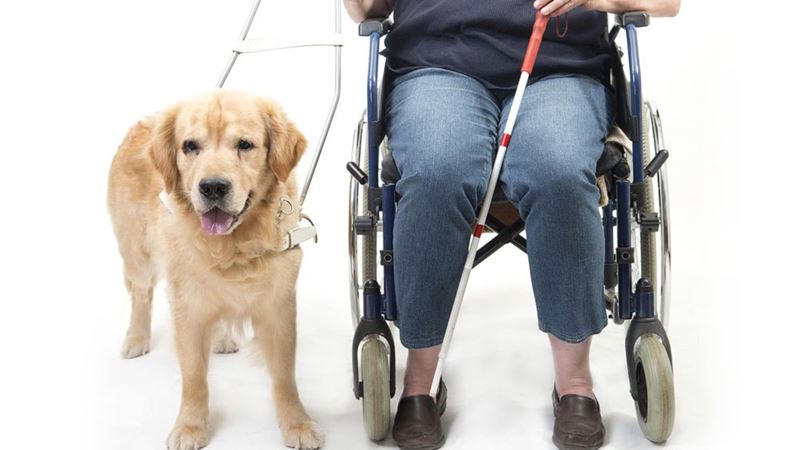
This detailed article explores the standards and procedures involved in public access testing for service dogs. It is essential reading for handlers, trainers, and organizations committed to advancing the training and certification of service animals. From commands and obedience to behavior in crowded areas and under stressful stimuli, each aspect plays a vital role in the certification process.
Below, we outline the key criteria your service dog must meet to be eligible for certification, along with important considerations and tips for preparing your canine companion for the testing process.
- Basic obedience commands, including sitting promptly on command
- Controlled movement through doorways and crowded environments
- Proper conduct in restaurants and public eateries
- Calm reaction to loud noises and sudden stimuli
- Safe behavior when entering and exiting vehicles
It’s important to note that these standards apply primarily to on-leash service dogs. However, dogs that are well-behaved off-leash can also qualify, provided they demonstrate unobtrusive, controlled behavior at all times. Many certification programs recognize handlers who train their own dogs to meet specialized needs, making personal training and consistent practice essential components of the certification journey.
Training Essentials for Public Access Certification
Effective training forms the cornerstone of successful certification. Your service dog must respond reliably to commands in various settings, from busy streets to quiet cafes. Consistency in training enhances the dog’s ability to perform under different circumstances, building the handler’s confidence and ensuring safety for everyone involved.
Key Commands and Behaviors Tested
The core commands your service dog should master include:
- Sit: The dog must sit immediately upon command with minimal prompting, demonstrating quick obedience.
- Heel/Walk calmly beside you: The dog should walk at your side on a loose leash, maintaining a calm demeanor without pulling or seeking public attention.
- Controlled entry: Upon entering a building or room, the dog should stay close, not wander or become distracted by the environment.
- Behavior in crowded spaces: The dog must walk through busy areas calmly, avoiding interactions with strangers unless directed otherwise, and exhibit no signs of anxiety or aggression.
- Resting position in restaurants: When seated with you, the dog should stay under the table or nearby quietly, without attempting to seek attention.
- Reaction to noise: The dog should remain composed during loud sounds or sudden stimuli, only demonstrating a natural startle response without aggressive reactions or undue fear.
- Vehicle safety: The dog must wait calmly when getting into or out of vehicles, responding to commands for boarding and disembarking, without rushing or ignoring cues.
The Testing Process and Standards Explained
The public access test evaluates your dog’s behavior and obedience in real-world situations. Each test component aims to assess the dog’s ability to remain focused and well-behaved regardless of external distractions or stressful stimuli. It’s designed not only to ensure safety but also to verify that the dog can provide consistent assistance without causing disruptions in public spaces.
Steps Involved in the Test
The typical testing process includes:
- Initial obedience evaluation to verify basic commands
- Scenario-based assessments simulating real-life situations, such as entering busy stores, walking through crowds, and reacting to sudden loud noises
- Checking the dog’s ability to remain calm and attentive even when distracted by external stimuli
- Evaluation of the dog’s reaction when approaching food, toys, or other tempting distractions that might interfere with training
- Assessment of behavior during vehicle entry and exit
Handlers should prepare their dogs by conducting regular, real-world exposure exercises. This builds the dog’s confidence and strengthens their responsiveness to commands in various environments, which is crucial for passing the certification process.
Preparing Your Dog for Certification
Preparation is key to success. Handlers should focus on consistent, positive reinforcement training, utilizing realistic scenarios that mimic daily life. Engage in frequent public outings to accustom the dog to different sounds, sights, and smells. Use obedience training sessions to reinforce commands, making responses automatic and reliable.
Furthermore, socialization with different people and animals can enhance your dog’s confidence and curb any nervous or aggressive behavior. It’s advised to work with professional trainers experienced in public access training if possible. They can provide tailored guidance to address any behavioral issues and improve your dog’s overall readiness for evaluation.
Legal Rights and Responsibilities of Certified Service Dogs
Once certified, service dogs are granted legal protections that allow them to accompany their handlers in public spaces, including restaurants, stores, transportation, and other private and public venues. It’s essential for handlers to understand their rights and responsibilities, including maintaining the dog’s trained behavior and ensuring it remains unobtrusive at all times.
Misbehavior or failure to control your service dog can result in loss of certification and legal repercussions. Proper training, ongoing socialization, and adherence to the standards set by certifying organizations are crucial for maintaining the certification and enjoying the full benefits of having a certified service animal.
Final Tips to Achieve Certification Success
To maximize your chances of passing the public access test, focus on consistent training routines, seek professional guidance if necessary, and practice in environments similar to where the test will occur. Stay patient and positive throughout the process, recognizing that each dog develops at its own pace. Remember, the goal is to ensure your service dog can serve you reliably in any public setting, safeguarding your independence and enhancing your quality of life.
By thorough preparation and dedicated training, you can ensure your service dog meets all the required standards for public access certification, opening doors to greater accessibility and support in everyday activities.