
Ultimate Guide to Walk-In Bathtubs for Elderly Safety and Comfort
Explore comprehensive insights into walk-in bathtubs, highlighting their accessibility, safety features, health benefits, and cost considerations. Designed for seniors and those with mobility issues, these tubs promote independence and comfort while enhancing bathroom safety. Discover how modern features and government aid can make installing a walk-in bathtub a practical solution for maintaining hygiene and well-being at home.
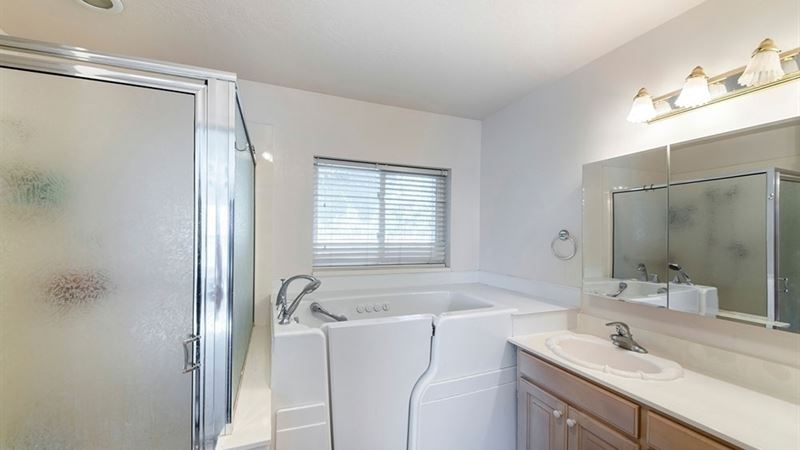
1. Superior Accessibility and Personalized Comfort
The foremost advantage of walk-in bathtubs is their ability to provide effortless access for individuals with limited mobility. The hallmark feature of these tubs is their leak-proof doors, which allow users to step comfortably into the basin without lifting their legs over high edges. Many models come equipped with low thresholds, making it feasible for people with arthritis, joint pain, or balance issues to navigate with ease. Incorporating adjustable support handles and sturdy grab bars adds further safety, offering stability during entry, exit, or while seated. Some walk-in tubs come with built-in comfortable seats or benches that enable users to sit securely while bathing, reducing physical strain. Additionally, many models offer optional accessories like water jets, air spa systems, and soothing lighting to transform bathing into a rejuvenating and luxurious experience. These features help mimic the comfort and relaxation of a spa just within the safety of your home.
2. Improved Safety Measures for Peace of Mind
Safety is paramount when it comes to bathroom fixtures for seniors and those with physical limitations. Standard bathtubs pose numerous risks such as slips, trips, and falls, particularly on wet surfaces. Walk-in tubs significantly mitigate this risk by featuring doors that open outward or inward and sit at floor level, eliminating the need to step over high sides. Many models incorporate anti-slip flooring and surfaces, providing additional grip for wet feet. To further enhance safety, these tubs are often equipped with sturdy, ergonomically designed grab rails positioned at strategic points—near the door, the seat, and the controls—offering additional stability. Other safety features include sealed doors to prevent water leaks, thus keeping bathroom floors dry and reducing fall hazards. When installed with non-slip mats and anti-slip coatings, walk-in tubs become virtually slip-proof, ensuring users can bathe independently without fear of accidents.
3. Promoting Relaxation, Stress Relief, and Physical Rejuvenation
One of the most appealing aspects of traditional baths is their therapeutic and stress-relieving benefits. Warm water immersion helps relax tense muscles, alleviating pain and stiffness, and promotes better blood circulation. For seniors or individuals with chronic pain conditions, soaking in a warm bath can be instrumental in reducing joint discomfort and physical fatigue. Walk-in tubs make this wellness experience accessible and safe, even for those with mobility issues. Many models are equipped with massage jets, air bubble systems, and chromotherapy features—adding a spa-like ambiance that not only soothes the body but also calms the mind. Regular baths improve mental well-being by reducing anxiety and promoting restful sleep, especially when combined with aromatherapy products. Additionally, the gentle warmth can enhance joint flexibility and alleviate soreness caused by arthritis or other chronic conditions.
4. Cost Considerations and Financial Assistance Options
The investment in a walk-in bathtub varies widely, typically ranging between £1,500 and £7,000. The final price depends on several factors such as the bath’s size, material quality, added features like hydro-massage or air jets, installation complexity, and brand reputation. It’s important to consider not only the purchase price but also installation costs, which may include plumbing modifications or electrical work. To offset the expense, many government programs and local authorities offer grants and financial assistance specifically for seniors or individuals with disabilities looking to improve their bathroom safety. These programs aim to make home modifications more affordable, including the installation of walk-in baths. Eligibility criteria and application procedures vary by region, so prospective buyers should contact relevant agencies or visit official websites for detailed information. Exploring such options can significantly reduce the financial burden and make the transition to safer bathing options more feasible.
While the benefits of walk-in tubs are evident, it’s essential to carefully select a model that meets individual needs and fits within the bathroom space. Consider dimensions, ease of use, safety features, and additional amenities when making your choice. Consulting with healthcare professionals, family members, or mobility specialists can help determine the most appropriate solution. Reading reviews and seeking recommendations from friends who have installed similar solutions can further aid in selecting a reliable and effective model. Proper installation and maintenance are critical to ensure longevity and safety. With thoughtful planning and the right features, a walk-in bathtub can significantly enhance quality of life, fostering independence and safety for seniors and individuals with mobility challenges.