
Effective Strategies for Alleviating Heel Discomfort and Promoting Foot Wellness
This detailed guide covers the common causes of heel pain, effective exercises, home remedies, advanced treatments, and preventive strategies. By understanding how to care for your heels, you can reduce discomfort, prevent injuries, and maintain optimal foot health for an active lifestyle. From plantar fasciitis to heel spurs, explore comprehensive solutions to walk confidently and comfortably every day.
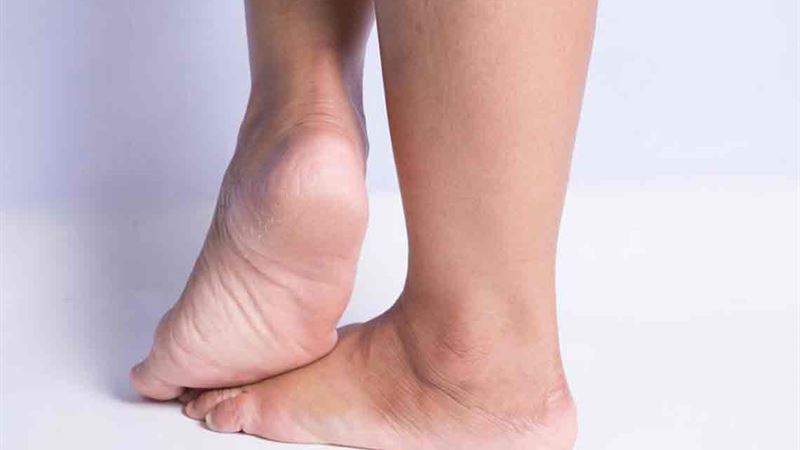
Heel pain is a common complaint that can significantly impact daily activities and overall quality of life. Whether due to injury, overuse, or conditions like plantar fasciitis, understanding the causes and seeking proper treatment can make a substantial difference. The heel, being a critical weight-bearing part of the foot, is susceptible to various problems that require attentive care. In this comprehensive guide, we explore the primary causes of heel pain, effective exercises, practical remedies, preventative measures, and advanced treatments to help you walk confidently and comfortably.
- Common Causes of Heel Discomfort
Identifying the root cause of heel pain is essential for effective treatment. Several factors can contribute to discomfort in this area, ranging from injuries to chronic conditions. Here are some of the most prevalent reasons for heel pain:
- Heel Spurs
Heel spurs are bony growths that develop on the underside of the heel bone. They often result from chronic plantar fasciitis or repeated stress on the heel, leading to abnormal calcium deposits. People who are obese or athletes who frequently engage in high-impact sports are more susceptible to heel spurs. The presence of a heel spur can cause sharp pain, especially during movement or weight-bearing activities.
- Plantar Fasciitis
This condition involves inflammation of the plantar fascia, a thick band of tissue that runs along the bottom of your foot connecting your heel to your toes. Overuse, inappropriate footwear, foot mechanics, and obesity can lead to plantar fasciitis. Symptoms include stabbing pain near the heel, mainly after periods of rest, and discomfort during walking, running, or jumping.
- Overpronation and Abnormal Foot Mechanics
When your foot rolls inward excessively during walking or running, it causes increased strain on the heel and surrounding tissues. This condition, known as overpronation, alters gait patterns, leading to tissue stretching, inflammation, and eventual heel pain. It is often linked to flat feet or low arches and can cause discomfort not just in the heel but across the foot and ankle.
- Achilles Tendinitis
The Achilles tendon, which connects the calf muscles to the heel bone, is vital for movements like walking, running, and jumping. Overuse or sudden increases in activity can inflame this tendon, causing heel pain and stiffness. Athletes, dancers, and active individuals are most at risk of Achilles tendinitis, which can lead to significant mobility issues if untreated.
- Trauma or Injury
Any acute trauma, such as falls, jumps, or direct blows to the heel, can cause sprains, bruises, or fractures. Proper diagnosis and early care are crucial to prevent chronic problems or deformities.
Understanding these underlying causes enables targeted treatment, whether through exercises, lifestyle modifications, or medical intervention.
- Effective Exercises for Heel Pain Relief
Incorporating specific exercises into your routine can significantly alleviate heel discomfort. These movements help stretch, strengthen, and support the tendons and muscles involved, promoting healing and preventing further issues.
- Morning Wall Stretch
Stand barefoot facing a wall, placing your hands flat against it. Step your right foot forward, bending the knee slightly, while keeping the left leg extended backward with the heel flat on the ground. Push gently against the wall, feeling a stretch in your heel and calf. Hold for 30 seconds, then switch sides. Repeat 2-3 times. This stretch relieves tension in the plantar fascia and Achilles tendon, easing heel pain.
- Freeze and Roll Technique
Prepare a small bottle filled with water and freeze it. Wrap a towel around the frozen bottle to prevent cold burns. Place it under your foot and gently roll back and forth for about five minutes. This method reduces inflammation, relieves soreness, and restores circulation. Repeat with the other foot as needed. The cold therapy helps numb the area and decreases swelling.
- Massaging and Self-Myofascial Release
Using your thumbs or a massage ball, apply gentle pressure along the arch, heel, and calf muscles. Move slowly and consistently for about a minute or two on each foot. This practice loosens tight tissues, improves blood flow, and alleviates pain, making it an effective self-care routine.
- Practical Remedies and Lifestyle Adjustments
Beyond exercises, adopting healthy habits and home remedies can expedite healing and prevent future discomfort.
- Rest and Elevation
Allow your feet to rest by reducing physical activity when heel pain flares up. Elevate your legs on a stool or pillow to decrease swelling and improve circulation. Take short breaks and avoid standing for prolonged periods.
- Cold Therapy
The application of ice packs helps manage inflammation and reduce pain. Use a pack wrapped in a cloth and apply for 15-20 minutes several times daily, especially after activity. Avoid direct contact with the skin to prevent frostbite.
- Nutrition and Supplements
A balanced diet rich in vitamins and minerals supports tissue repair and overall foot health. Adequate intake of vitamin C, D, calcium, and magnesium can aid healing. In some cases, supplements may be recommended by healthcare providers to fill nutritional gaps.
- Orthotic Devices and Supportive Footwear
Custom orthotics or padded insoles redistribute pressure, provide arch support, and cushion the heel. Invest in comfortable, well-fitting shoes that accommodate your foot type, reducing strain and preventing further injury.
- Advanced Treatment Options
For persistent heel pain that does not respond to conservative measures, more advanced treatments are available:
- Fascia-Bar Therapeutic Devices
This innovative technology, developed by specialists like Art Smucker, offers orthotic support designed specifically for plantar fascia issues. It realigns foot biomechanics, gently stretches tissue, cushions the heel, and stimulates nerve healing through acupuncture-like techniques. Its effectiveness has led to successful pain relief in many patients.
- Medical Interventions
When necessary, physicians may recommend corticosteroid injections, physical therapy, or minimally invasive procedures like extracorporeal shockwave therapy (ESWT) to promote healing and reduce inflammation.
- Prevention Tips to Keep Heel Pain At Bay
Prevention is always better than cure. Implementing simple steps can help you avoid heel issues or catch them early:
- Manage your weight to reduce undue stress on your heels.
- Choose footwear that provides adequate support, cushioning, and fit.
- Warm up properly before engaging in intense physical activities.
- Incorporate stretching and strengthening exercises into your routine.
- Avoid walking barefoot on hard or uneven surfaces for prolonged periods.
If heel pain persists despite these measures, consult a healthcare professional for accurate diagnosis and personalized treatment options. Early intervention can prevent minor issues from becoming chronic problems.
Remember, maintaining foot health is essential for mobility, balance, and overall well-being. With proper care, you can reduce heel discomfort and enjoy active, pain-free living.
References:
http://www.everydayhealth.com/foot-health/care-for-heel-pain.aspx
https://heelthatpain.com/heel-pain/natural-remedy/
http://www.healthline.com/symptom/heel-pain
http://www.prevention.com/health/natural-remedies-plantar-fasciitis-and-heel-pain