
Comprehensive Guide to Heel Pain Relief: Effective Strategies and Treatments
This comprehensive guide explores the various causes of heel pain, including plantar fasciitis, bursitis, and Achilles tendinitis. It provides detailed symptoms, effective treatment options like rest, ice, stretching, and proper footwear, along with prevention tips. Whether dealing with chronic heel discomfort or seeking ways to prevent future issues, this article offers valuable insights for quick relief and long-term heel health. Expert advice discusses managing pain, diagnosis, and lifestyle modifications to ensure mobility and comfort.
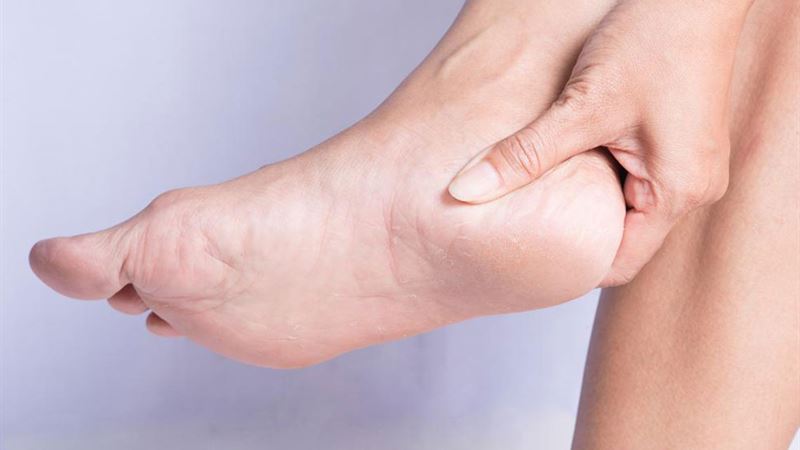
Heel discomfort can significantly impact daily activities and quality of life. The heel, being a weight-bearing region, is susceptible to various injuries and conditions that lead to pain. Understanding the underlying causes is crucial in selecting the appropriate treatment approach. This extensive guide delves into the common and uncommon reasons behind heel pain, identifying symptoms, and exploring proven remedies to alleviate suffering and promote heel health. Whether you're dealing with persistent heel pain or seeking preventive measures, this article offers valuable insights to help you regain comfort.
Heel pain can stem from a variety of causes, each requiring different diagnostic and treatment strategies. Recognizing these causes early can prevent complications and enable faster recovery. Among the most prevalent causes is plantar fasciitis, an inflammatory condition affecting the plantar fascia—a long ligament running from the heel bone to the toes. Repetitive strain and excessive stretching of this ligament often lead to notable pain, particularly after resting periods. The pain may be localized in the arch or along the bottom of the heel and worsens with activity.
Another common cause is heel bursitis, an inflammation of bursae—small fluid-filled sacs that act as cushions around joints and tendons. Heel bursitis frequently results from sudden trauma, overuse, or improper footwear, leading to swelling, redness, and tenderness at the back or inside of the heel. Patients may notice increased pain when pressure is applied or during movement. Correcting footwear and reducing strain usually provide relief.
Achilles tendinitis is also a notable contributor to heel pain, particularly among athletes or individuals involved in high-impact activities. The Achilles tendon connects the calf muscles to the heel bone and can become inflamed due to overuse, sudden increases in activity, or improper footwear. This condition often causes pain and stiffness at the back of the heel, especially in the morning or after prolonged rest. Treatment primarily involves rest, stretching, and gradually resuming activity as symptoms improve.
In addition to these primary causes, several other factors can lead to heel discomfort, including stress fractures, which are small cracks in the heel bone resulting from overexertion or trauma. Tarsal tunnel syndrome, wherein nerves near the ankle become compressed, can cause burning or tingling sensations that extend to the heel. Calcaneal apophysitis is common in children and adolescents, caused by inflammation of the growth plate at the heel. Other conditions like osteomyelitis (bone infection), rheumatoid arthritis, and nerve entrapments also contribute to heel pain.
Identifying symptoms accurately is vital in diagnosing heel conditions. Common signs include swelling, redness, warmth, tenderness, and difficulty bearing weight. Specific indicators such as bunions—a bony bump on the big toe—can cause secondary heel issues by altering gait mechanics. Corns and calluses often develop due to friction from ill-fitting footwear, leading to localized thickening of the skin and discomfort. Gout, characterized by intense joint pain and swelling caused by uric acid crystals, can also affect the heel.
Post-static dyskinesia manifests as heel pain that worsens after periods of inactivity, often noticeable in the morning. Recognizing these symptoms helps in tailoring specific treatment plans. Effective management strategies include a combination of rest, physiotherapy, medication, and lifestyle modifications.
Rest is fundamental to heel pain recovery. Avoiding activities that aggravate the condition allows inflamed tissues to heal. Elevating the legs and avoiding prolonged standing or high-impact movements reduce strain on the heels. Applying ice packs is an effective immediate remedy, helping to reduce inflammation and numb the area. Use ice for 15-20 minutes several times daily to experience noticeable relief, especially after activity.
Stretching exercises play a crucial role, particularly for plantar fasciitis. Proper stretching of the Achilles tendon and the plantar fascia can alleviate tension and prevent further injury. The typical stretching routine involves the calf muscles, Achilles tendon, and foot arch, performed regularly to improve flexibility and circulation. Consult a physical therapist for tailored stretching programs suitable for your condition.
Choosing appropriate footwear is essential for both treatment and prevention of heel pain. Invest in well-fitting, supportive shoes that provide adequate arch support and cushioning. Avoid high heels, flip-flops, or worn-out shoes that can exacerbate heel issues. Orthotic insoles can also be beneficial in distributing pressure evenly across the foot, reducing strain on the heel and improving overall foot biomechanics.
In persistent cases, medical interventions such as anti-inflammatory medications, corticosteroid injections, or, in rare cases, surgical procedures may be necessary. Treatment plans should be discussed with healthcare professionals specializing in foot and ankle conditions. Physical therapy, custom orthotics, and proper footwear are often combined for comprehensive management.
Preventive measures include maintaining a healthy weight, engaging in regular foot exercises, and avoiding activities that cause excessive strain. For athletes, warming up adequately before sports and using proper techniques reduce injury risks. Maintaining good foot hygiene and scheduling routine check-ups with a podiatrist can help identify early signs of heel problems and address them promptly.
Committed care, early diagnosis, and adopting healthy habits are key to managing heel pain effectively. With the right approach, you can significantly reduce discomfort, restore mobility, and prevent future heel issues. Remember, your heels support your entire body weight, so taking proactive steps toward heel health is an investment in your overall well-being.