Learn everything about plantar fasciitis insoles, including their proper use, benefits, and when to choose custom orthotics. Expert tips help prevent heel pain and promote faster healing, making it easier to stay active and comfortable daily.
Plantar fasciitis is a common condition that causes significant heel pain, often resulting from inadequate arch support over time. This ailment frequently arises due to footwear that lacks proper cushioning and support or from walking barefoot on hard surfaces. Excess body weight and sudden increases in physical activity can exacerbate or trigger symptoms. Additional contributing factors include weakened foot or ankle muscles, traumatic injuries, tight calf muscles, and underlying conditions like arthritis. Recognizing these causes is vital for effective management and prevention.
The hallmark symptom of plantar fasciitis is a stabbing, intense pain at the bottom of the heel, particularly near the arch. This discomfort is often most pronounced during the first steps after waking up, and it can persist or worsen after long periods of standing or sitting. The pain may also intensify following vigorous exercise or prolonged activity, making everyday movements challenging and uncomfortable.
Addressing plantar fasciitis involves understanding its risk factors and implementing appropriate treatment strategies. The condition commonly affects individuals between 40 and 60 years old but can occur at any age, especially among athletes or those with specific foot mechanics. Preventative measures and therapeutic interventions, including specialized insoles, can significantly reduce symptoms and facilitate quicker recovery.
Key risk factors for developing plantar fasciitis include age, repetitive movements, certain types of exercise, abnormal foot biomechanics, obesity, and occupation-related standing. Activities such as running, jumping, ballet, and aerobic workouts exert repetitive stress on the heel, increasing vulnerability. Flat feet or abnormal walking patterns, which alter the distribution of pressure across the foot, also heighten risk. Occupations that involve long hours of standing, such as teaching, factory work, or retail jobs, contribute to continual strain on the plantar fascia, often leading to inflammation and pain.
Accepting early symptoms and adopting preventive strategies is crucial to avoid chronic heel pain. Ignoring the signs can result in worsened discomfort, limited mobility, and long-term foot issues. Adjusting walking techniques, incorporating foot-strengthening exercises, and choosing supportive footwear can make a significant difference in managing the condition effectively.
Effective management of plantar fasciitis hinges on a combination of non-invasive treatments geared toward reducing strain, alleviating pain, and promoting healing. Central among these methods is the use of carefully selected orthotic insoles designed to support the arch and cushion the heel. Wearing footwear equipped with high-quality insoles can provide immediate relief and facilitate faster recovery.
Research indicates that the right types of insoles can decrease the stress exerted on the plantar fascia by approximately 25%. These insoles distribute pressure evenly across the foot, stabilize the arch, and reduce tension on inflamed tissues. Made from various materials such as foam, rubber, or thermoplastics, insoles tailored to individual needs can significantly impact recovery and comfort.
Plantar fasciitis insoles typically feature soft arch supports, cushioned heel cups, and shock-absorbing properties that cushion the heel and absorb impact during walking or running. For individuals with abnormal foot twisting or structural deformities, orthotic devices can correct mechanical issues, reduce strain, and promote proper foot alignment.
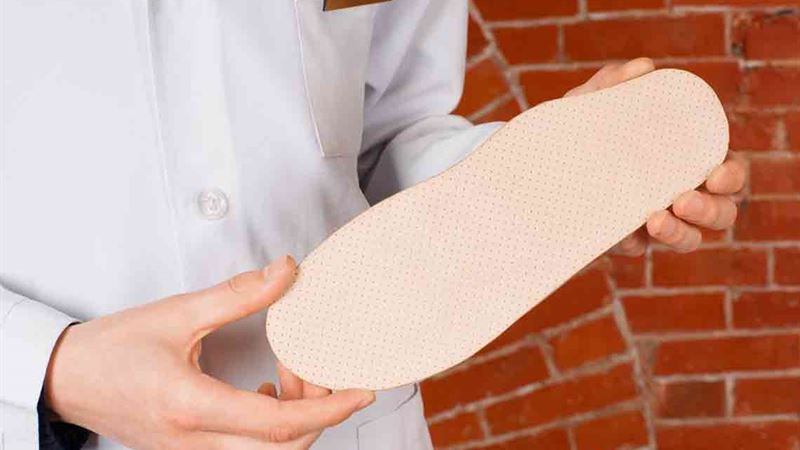
In severe cases, consulting a healthcare professional is essential for obtaining custom orthotics. These custom-made insoles are crafted based on precise foot measurements, often through impression molds, to address specific biomechanical problems. Custom orthotics can provide superior support, prevent further damage, and expedite healing.
For milder cases or initial symptoms, over-the-counter orthotic inserts found in drugstores or sports shops can offer valuable interim support. These ready-made devices provide a practical way to test different insoles' effectiveness and determine the ideal support type for individual needs.
Patients with unique foot shapes or complex structural issues are usually advised to opt for custom orthotics. These specially fabricated insoles help evenly distribute pressure across the entire foot, reduce localized stress, and promote faster tissue regeneration. Regular use of appropriate insoles, combined with other conservative treatments like stretching exercises, icing, and rest, can lead to significant symptom relief and prevent recurrence.
In conclusion, understanding when and how to use plantar fasciitis insoles is vital for effective management of heel pain. Proper support can significantly reduce inflammation, improve foot mechanics, and enhance overall mobility. Whether opting for over-the-counter solutions or custom orthotic devices, early intervention remains the key to avoiding chronic discomfort and maintaining an active lifestyle.
