
Comprehensive Guide to Dupuytren’s Contracture: Causes, Symptoms, and Effective Treatments
This comprehensive guide explores the causes, symptoms, and treatments of Dupuytren’s contracture, emphasizing early detection and management. It covers risk factors, signs, diagnostic methods, and a wide range of treatment options, from medications to surgical procedures, aiming to help patients and healthcare providers effectively address this progressive hand condition.
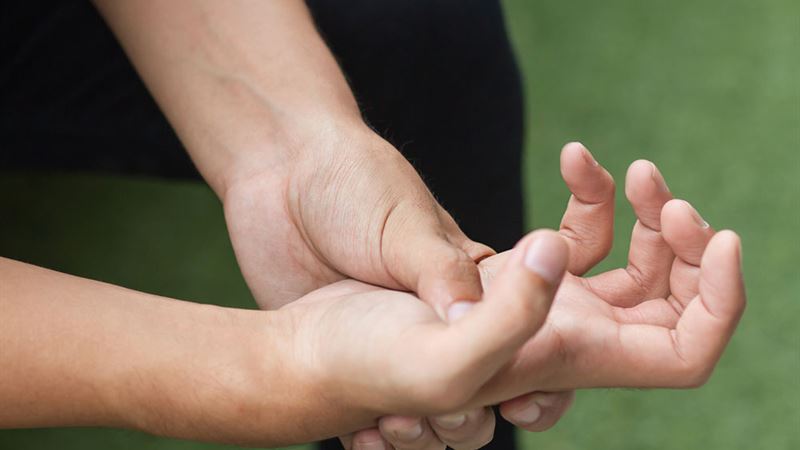
Dupuytren’s contracture is a condition characterized by the thickening and tightening of fibrous tissue in the palm and fingers, leading to deformity and restricted movement. While the exact cause remains unclear, several factors increase the risk of developing this condition. It predominantly affects middle-aged and older men, particularly those over 40, with a notable genetic component. Understanding the underlying causes, recognizing early symptoms, and exploring available treatment options are crucial steps toward managing this progressive disorder effectively.
The pathogenesis of Dupuytren’s contracture involves abnormal fibroblast proliferation in the palmar fascia, leading to the formation of nodules and cords that pull the fingers into a flexed position. Although hereditary factors are significant, lifestyle choices and certain health conditions also influence its progression. For example, excessive alcohol consumption, smoking, and chronic health issues like diabetes mellitus can contribute to the development of this disorder.
Key Risk Factors and Predispositions
Understanding what predisposes individuals to Dupuytren’s contracture helps in early detection and prevention. These factors include:
- Genetics: Family history plays a fundamental role, with the condition often running in families.
- Age: Men over 40 are at a heightened risk; the likelihood increases with age.
- Gender: Males are more commonly affected than females, although women can develop it too.
- Lifestyle Choices: Heavy alcohol consumption and persistent smoking have been linked to increased incidence.
- Medical Conditions: Diseases like diabetes mellitus, pulmonary tuberculosis, and epilepsy (due to repeated seizures) can exacerbate the risk.
Recognizing the Signs and Symptoms
Early detection of Dupuytren’s contracture hinges on identifying initial signs, which include small lumps or nodules forming under the palmar skin. These are typically painless but serve as early markers. Over time, these nodules may merge into thicker cords that progressively pull fingers inward, impairing function.
As the disease advances, patients often notice a characteristic curling of the affected fingers, first the ring finger, followed by others. This deformity results from the contraction of the affected fascia, leading to a significant loss of hand dexterity and grip strength. In severe cases, the fingers may become permanently bent, complicating daily activities and reducing quality of life.
Diagnosis and Medical Evaluation
Diagnosis primarily involves a clinical examination where a healthcare provider assesses the hand for nodules, cords, and finger deformities. Imaging studies like ultrasound or MRI may be ordered to evaluate the extent of tissue thickening, especially before considering surgical options. Blood tests are usually not necessary unless an underlying medical condition is suspected to contribute to the disease.
Available Treatment Options
While there is currently no permanent cure for Dupuytren’s contracture, several treatments aim to alleviate symptoms, prevent progression, and restore hand function. The choice of treatment depends on the severity of the condition, patient overall health, and personal preferences. A combination of nonsurgical and surgical approaches can effectively manage the disorder.
Conservative and Medical Management
- Medications: Corticosteroid injections are frequently used to reduce inflammation and slow nodule progression. Some patients benefit from enzyme injections like collagenase Clostridium histolyticum, which helps break down the cords responsible for finger contractures.
- Physical Therapy: Regular hand exercises and stretching can maintain flexibility and prevent further deformity in early stages. Splinting may also be recommended to keep fingers in a more extended position.
- Heat and Ultrasound Therapy: These modalities can sometimes reduce symptoms temporarily and improve tissue elasticity.
Surgical Interventions
Surgery is generally considered for advanced cases where contractures significantly impair hand function. Several surgical options are available, each suited to specific disease stages:
- Fasciectomy: The complete removal of the thickened fascia, often performed under local or general anesthesia, aims to eliminate the cords and restore finger mobility. The procedure may require skin grafts if large areas are excised.
- Plication: A less invasive technique that involves folding and suturing the fascia to reduce contracture without removing tissue, suitable for mild cases.
- Needle Aponeurotomy: A minimally invasive procedure where a needle is used to divide the cords, improving finger extension with minimal recovery time.
Postoperative therapy often involves hand therapy to maximize recovery and function. Recurrence is a possibility, so ongoing monitoring and management are essential.
Living with Dupuytren’s Contracture
Managing Dupuytren’s contracture requires a multidisciplinary approach, including regular medical checkups and personalized therapy plans. Patients are encouraged to maintain hand flexibility, avoid aggravating factors like smoking and excessive alcohol intake, and adhere to treatment recommendations. Early intervention can slow disease progression and improve quality of life.
Future Directions and Research
Recent advances in understanding the pathophysiology of Dupuytren’s contracture have opened new avenues for treatment development. Researchers are exploring targeted therapies such as anti-fibrotic agents, gene therapy, and novel minimally invasive procedures. Clinical trials continue to assess the efficacy and safety of these innovative options, aiming to provide more durable and less invasive solutions for affected individuals.
In summary, Dupuytren’s contracture is a complex condition influenced by genetic, lifestyle, and health factors. Early detection and a combination of medical and surgical treatments can significantly improve patient outcomes, restoring hand function and reducing discomfort. With ongoing research and novel therapies, the outlook for managing this challenging disorder continues to improve.