
Comprehensive Guide to Personal Protective Equipment: Choosing the Right Gear for Your Safety
A comprehensive guide to personal protective equipment highlights essential gear like head protection and safety harnesses. Learn how to select the right PPE based on your work environment, hazards, and comfort needs. Updated with the latest safety trends, this article emphasizes the importance of proper PPE use and maintenance to ensure maximum safety in hazardous workplaces. Buy high-quality gear conveniently online and stay protected with reliable, certified equipment designed to meet industry standards, ultimately helping you work safely and efficiently in any challenging environment.
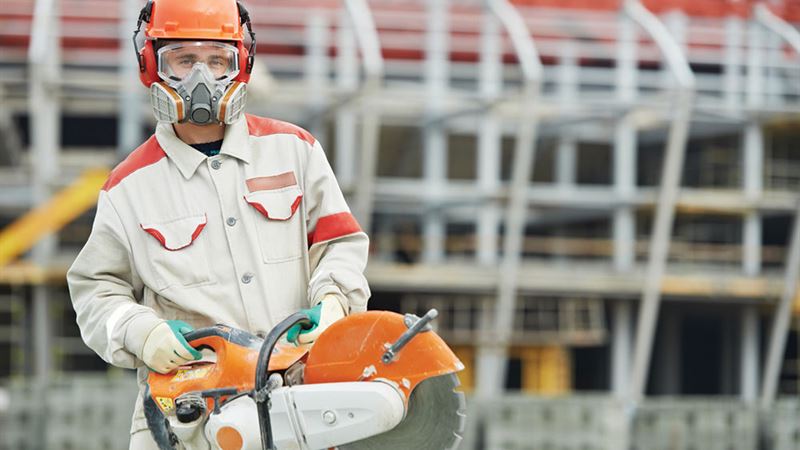
Understanding Personal Protective Equipment (PPE)
Personal Protective Equipment (PPE) encompasses a broad range of devices designed to safeguard workers from injury, illness, or accidents in hazardous environments. Proper selection, usage, and maintenance of PPE are crucial components of any safety protocol. PPE not only shields the wearer from physical injuries such as cuts and abrasions but also mitigates exposure to harmful substances, noise, and other occupational hazards. The key to effective safety is choosing the right equipment tailored to the specific risk factors associated with each task or industry.
Types of Protective Gear and Their Specific Uses
Head and Face Protection
Head and face protection devices are fundamental in safeguarding against impacts, falling objects, and splashes. These include:
- Hard Hats: Standard in construction and industrial settings, hard hats protect against falling debris and head injuries. Modern designs often incorporate impact-resistant shells and comfortable suspension systems.
- Face Shields: These provide full-face coverage against chemical splashes, flying debris, or radiation. Suitable for welding, manufacturing, and laboratory work.
- Welding Helmets and Headgear: Specialized masks with auto-darkening lenses that protect welders from intense light and sparks.
- Head Liners and Accessories: Additional safety layers worn beneath hard hats or helmets, offering comfort and extra protection.
Choosing the correct head and face protection involves assessing specific hazards and ensuring compliance with safety standards like OSHA or ANSI regulations. Online stores offer a variety of these products at competitive prices, making it easier to equip your team or upgrade your existing gear.
Safety Harnesses and Fall Protection Equipment
Working at heights presents unique risks that demand the use of reliable fall protection devices. Safety harnesses are designed to secure workers to stable anchor points, preventing falls or reducing their severity. These include:
- Full-Body Harnesses: Provide support and distribute force evenly across the body during a fall.
- Lanyards and Lifelines: Connect the harness to anchor points, allowing mobility while maintaining safety.
- Body Belts: Less commonly used nowadays but still relevant for specific tasks, offering waist support.
Proper selection of harnesses hinges on understanding the specific work environment and load requirements. Investing in high-quality fall protection gear ensures safety, improves operational efficiency, and complies with occupational safety standards.
Critical Factors for Choosing the Right PPE
Frequency and Duration of Use
Determining how often and for how long the PPE will be used is vital. Frequently used gear must prioritize durability and comfort, encouraging consistent wear. For occasional use, cost-effective options may suffice, but quality should never be compromised to ensure safety is not compromised.
Work Environment and Specific Hazards
The nature of the work—be it construction, chemical handling, or electrical work—dictates the type of PPE needed. For instance, chemical-resistant gloves are critical in chemical plants, while insulating gloves are essential for electrical tasks.
Size, Fit, and Comfort
Ill-fitting PPE can be uncomfortable and reduce adherence to safety protocols. Always measure accurately and select equipment that fits well. Adjustable straps, lightweight materials, and ergonomic designs enhance comfort, encouraging continuous usage.
Material and Durability
High-quality materials such as impact-resistant plastics, reinforced fabrics, and corrosion-resistant metals boost the longevity of PPE. Durable gear withstands harsh conditions, providing consistent protection over time.
Compliance with Safety Standards
Ensure that all PPE purchased conforms to regional safety regulations and standards. Certifications from recognized bodies like OSHA, ANSI, or EN standards affirm the equipment's reliability and safety efficacy.
Advancements and Trends in Protective Equipment
Emerging technologies are transforming PPE with smarter, lightweight, and more adaptive solutions. Examples include:
- Smart PPE: Integration of sensors to monitor vital signs, environmental conditions, or detect hazards in real-time.
- Enhanced Comforts: Moisture-wicking fabrics, ventilated designs, and ergonomic fittings improve wearability.
- Improved Materials: Use of impact-absorbing foams, anti-scratch coatings, and fire-resistant fabrics extend lifespan and safety.
Staying updated with innovations enables organizations and individuals to adopt the most effective safety measures and ensure compliance with evolving safety standards.
Buying PPE Online: Convenience Meets Safety
The digital marketplace has revolutionized the way safety gear is purchased. Online stores offer a comprehensive selection of PPE, often with detailed specifications, customer reviews, and competitive pricing. Benefits of buying PPE online include quick access to the latest products, easy comparison shopping, and doorstep delivery. When purchasing PPE online, always verify the credibility of the seller, ensure the products meet safety certifications, and select gear appropriate for your specific needs.
Maintaining Your Protective Equipment
Proper maintenance prolongs the lifespan and effectiveness of PPE. Regular inspection for wear and damage, cleaning according to manufacturer instructions, and timely replacement of worn-out components are essential practices. Well-maintained PPE not only ensures safety but also maximizes return on investment and compliance with safety regulations.
Conclusion
Choosing the right personal protective equipment is a critical component of workplace safety. From head and face protection to fall arrest systems, each piece serves a specific purpose, and selecting suitable gear requires careful consideration of work environment, hazards, and user comfort. Embracing technological advancements and purchasing from reputable online sources simplifies access to high-quality PPE. Remember, safety comes first—equip yourself properly and prioritize ongoing maintenance to prevent injuries and ensure a secure work environment.