
Common Risks and Precautions When Using Safety Harness Systems
This in-depth article explores common issues and essential precautions when using safety harness systems. It emphasizes the importance of proper fitting, weight limits, correct D-ring placement, and regular maintenance. Designed for workers in heights-related industries, the guide aims to prevent accidents and improve safety standards through practical tips and awareness. Learn how to identify potential hazards, properly inspect your equipment, and ensure maximum protection during high-altitude work to maintain a secure working environment and avoid preventable injuries.
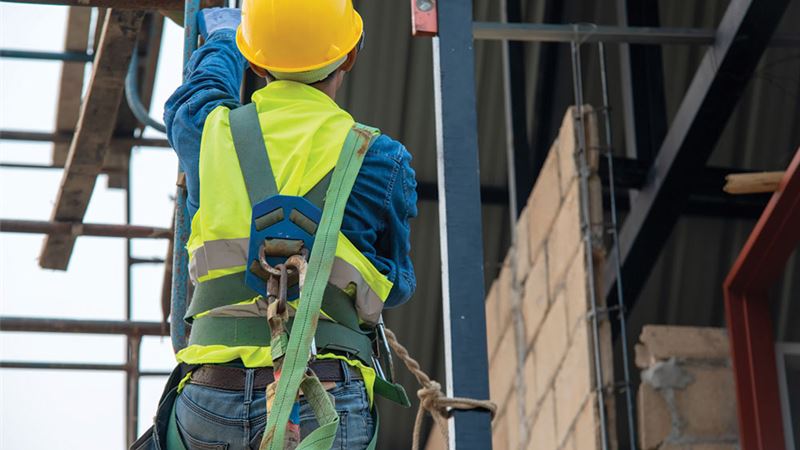
Utilizing a safety harness kit is a critical part of workplace safety, especially in industries involving heights, such as construction, maintenance, and industrial operations. Proper use and maintenance of harnesses are essential to prevent accidents and injuries. A poorly fitted or damaged harness can be almost as ineffective as not wearing one at all, potentially putting workers at great risk. In this comprehensive guide, we will explore the common issues that can arise when using safety harness systems and how to mitigate these risks to ensure maximum protection. From fitting and weight limits to correct positioning and maintenance, understanding these factors can make the difference between safety and disaster.
The importance of a correctly fitted harness cannot be overstated. A snug fit around both the upper body and hips is essential for distributing the forces experienced during a fall. If the harness slips or is too loose, it may fail to arrest a fall effectively, increasing the risk of severe injuries or fatalities. When a fall occurs, the harness absorbs and distributes the impact force across the major body areas, significantly reducing injury severity. However, if the harness is misfitted, the force may concentrate on vulnerable regions, possibly causing organ damage, traumatic injuries, or neurological harm within minutes of suspension.
Typically, safety harnesses are rated for weights between 130 and 310 pounds, including clothing, tools, and other gear worn by the user. It is vital to always adhere to manufacturer-specified weight limits to maintain the integrity of the equipment. Overloading harnesses can lead to failure during a fall, severely compromising safety. Moreover, harnesses are strictly designed for fall arrest, not for lifting heavy objects or lifting equipment, which can cause damage and reduce the lifespan of the gear.
One common issue with safety harnesses involves the incorrect placement of the D-ring, a vital component for fall arrest. These harnesses are meticulously engineered by certified professionals to ensure that force during a fall is evenly distributed across the body. The D-ring should be positioned precisely at the center of the back, at shoulder blade level, situated midway between the shoulders and the spine. Improper positioning can lead to uneven force distribution, causing potential injury or rendering the harness ineffective. Therefore, it is advisable to have a partner or supervisor inspect the harness every time it is donned to confirm correct positioning of the D-ring.
Another critical aspect of safety harness maintenance is awareness of the harness's lifespan and condition. Although harnesses do not have a fixed expiration date, they should be inspected regularly for signs of wear and tear. Generally, if a harness has been in use for more than five years or shows damage such as fraying, cracking, or deformation, it must be replaced promptly. Using a compromised harness can result in equipment failure during a fall, which could have tragic consequences. Regular inspections should include checking stitching, buckles, straps, and hardware to ensure everything is intact and functioning properly.
Ensuring proper training and adherence to safety guidelines is essential when working at heights. Workers should be trained on correct harness fitting, donning procedures, and inspection routines. Supervisors should also verify that all safety equipment complies with relevant standards before use. Proper storage practices are equally important; harnesses should be kept in a cool, dry place away from direct sunlight, chemicals, or extreme temperatures. Keeping harnesses in optimal condition prolongs their lifespan and enhances safety.
In summary, safety harness systems are vital safety tools that, when used correctly, can prevent serious injuries or fatalities. Key precautions include ensuring a snug fit, avoiding overloading, verifying the correct placement of the D-ring, conducting regular inspections, and replacing worn-out equipment. Remember, misuse or neglect can significantly compromise your safety, so always follow manufacturer guidelines and safety protocols. By understanding and addressing these risks, workers can create a safer work environment, reducing accidents and saving lives in high-risk industries.