
Essential Safety Guidelines to Follow Before Starting a Roof Installation Project
This comprehensive guide emphasizes critical safety precautions necessary for roofing projects. From establishing a secure work zone to using the right protective gear, the article covers all essential safety points. Proper planning, electrical safety, equipment handling, fall prevention, and environmental considerations are vital to ensure worker safety and project success. Implementing these safety measures minimizes risks and promotes a culture of safety in the roofing industry, safeguarding both personnel and property throughout the project lifecycle.
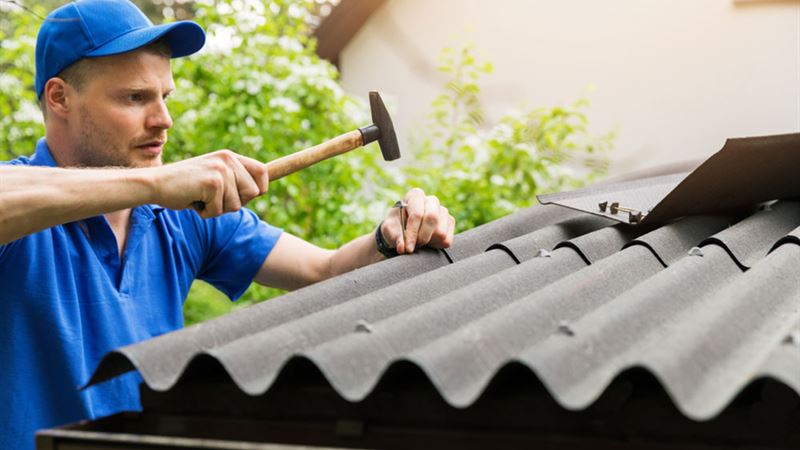
Planning and executing a roof installation requires meticulous attention to safety to prevent accidents and ensure a smooth process. Before beginning any roofing work, it is crucial to establish a secure work environment by keeping the area clear of unauthorized personnel and ensuring all safety protocols are observed. Proper planning involves considering the proximity of power lines, potential fall hazards, and access points to the roof. Adhering to established safety standards reduces risks and promotes efficiency, protecting both workers and the property.
Establish a Safe Work Zone
One of the first steps prior to starting any roofing project is to cordon off the work area. Only authorized personnel should be allowed within the immediate vicinity of the roof to prevent accidents involving pedestrians or bystanders. Use safety barriers or warning signs to clearly mark the danger zone, and ensure that no one enters without proper protective equipment. It’s also important to plan the work so that access points are safe and accessible, reducing the likelihood of slips and falls.
One of the first steps prior to starting any roofing project is to cordon off the work area. Only authorized personnel should be allowed within the immediate vicinity of the roof to prevent accidents involving pedestrians or bystanders. Use safety barriers or warning signs to clearly mark the danger zone, and ensure that no one enters without proper protective equipment. It’s also important to plan the work so that access points are safe and accessible, reducing the likelihood of slips and falls.
Maintain Safe Distances from Power Lines and Hazardous Zones
Power lines pose a significant danger during roof installation. Identify all nearby electrical lines and plan your work to maintain a safe clearance as recommended by local safety codes. If work must be conducted near live wires, coordinate with the local utility company to temporarily disconnect or reroute the electricity to eliminate the risk of electrocution. Additionally, be aware of other hazards such as cesspools, unstable roof edges, or weak access points, and address these risks before proceeding.
Power lines pose a significant danger during roof installation. Identify all nearby electrical lines and plan your work to maintain a safe clearance as recommended by local safety codes. If work must be conducted near live wires, coordinate with the local utility company to temporarily disconnect or reroute the electricity to eliminate the risk of electrocution. Additionally, be aware of other hazards such as cesspools, unstable roof edges, or weak access points, and address these risks before proceeding.
Proper Ladder and Access Equipment Usage
Ensuring ladder safety is critical for safe roofing operations. All ladders should be designed and constructed in accordance with OSHA (Occupational Safety and Health Administration) standards. The ladder must be placed on a stable, level surface and securely anchored if possible, to prevent slipping. Use non-conductive ladders made of fiberglass or wood when working near electrical sources. Verify the ladder's integrity before use and avoid overreaching from the ladder to maintain your balance and prevent falls.
Ensuring ladder safety is critical for safe roofing operations. All ladders should be designed and constructed in accordance with OSHA (Occupational Safety and Health Administration) standards. The ladder must be placed on a stable, level surface and securely anchored if possible, to prevent slipping. Use non-conductive ladders made of fiberglass or wood when working near electrical sources. Verify the ladder's integrity before use and avoid overreaching from the ladder to maintain your balance and prevent falls.
Electrical Safety Measures
Electrical safety is paramount during roofing projects. Maintain a safe distance from power lines, and do not rely solely on visual cues to judge clearance. Use insulated tools and equipment when working near live electrical sources. Whenever feasible, shut off power in the work area by coordinating with the utility company to avoid accidental contact with energized lines. Workers should also be trained to recognize electrical hazards and know how to respond in case of accidental contact or arcing.
Electrical safety is paramount during roofing projects. Maintain a safe distance from power lines, and do not rely solely on visual cues to judge clearance. Use insulated tools and equipment when working near live electrical sources. Whenever feasible, shut off power in the work area by coordinating with the utility company to avoid accidental contact with energized lines. Workers should also be trained to recognize electrical hazards and know how to respond in case of accidental contact or arcing.
Use of Personal Protective Equipment (PPE)
All workers involved in roof installation must wear appropriate PPE. This includes helmets or hard hats to protect against falling debris, safety goggles or glasses to shield the eyes from dust and sharp objects, and gloves to protect hands from cuts and abrasions. When handling tools such as nail guns, power saws, or hammers, always wear eye protection to prevent injuries caused by mishandling or ricochets. Proper footwear with slip-resistant soles is essential to prevent slips and falls.
All workers involved in roof installation must wear appropriate PPE. This includes helmets or hard hats to protect against falling debris, safety goggles or glasses to shield the eyes from dust and sharp objects, and gloves to protect hands from cuts and abrasions. When handling tools such as nail guns, power saws, or hammers, always wear eye protection to prevent injuries caused by mishandling or ricochets. Proper footwear with slip-resistant soles is essential to prevent slips and falls.
Safe Material Handling and Equipment Use
Roofing involves lifting and installing heavy, awkward materials. Proper lifting techniques should be employed to prevent back injuries. Use mechanical aids like pulleys, carts, or hoists whenever possible to reduce manual strain. When operating machinery such as saws and nail guns, follow manufacturer instructions diligently, and never bypass safety features. Check all equipment for defects prior to use and ensure regular maintenance is performed to keep tools in safe working condition.
Roofing involves lifting and installing heavy, awkward materials. Proper lifting techniques should be employed to prevent back injuries. Use mechanical aids like pulleys, carts, or hoists whenever possible to reduce manual strain. When operating machinery such as saws and nail guns, follow manufacturer instructions diligently, and never bypass safety features. Check all equipment for defects prior to use and ensure regular maintenance is performed to keep tools in safe working condition.
Fall Prevention and Safety Nets
Falls from heights are one of the leading causes of roofing injuries. Always use fall protection systems such as harnesses, guardrails, and safety nets. Secure anchor points and ensure harnesses are correctly fitted and inspected regularly. Install temporary or permanent guardrails along open edges, skylights, and roof access points. In addition, plan your work to minimize time spent on unprotected edges and ensure that ladders and scaffolding are properly installed and maintained.
Falls from heights are one of the leading causes of roofing injuries. Always use fall protection systems such as harnesses, guardrails, and safety nets. Secure anchor points and ensure harnesses are correctly fitted and inspected regularly. Install temporary or permanent guardrails along open edges, skylights, and roof access points. In addition, plan your work to minimize time spent on unprotected edges and ensure that ladders and scaffolding are properly installed and maintained.
Weather and Environmental Considerations
Weather conditions can greatly impact the safety of roof installation. Avoid working during high winds, rain, snow, or extreme heat, as these conditions increase the risk of slips, falls, and heat-related illnesses. Monitor local weather forecasts and plan your work accordingly. If unexpected adverse weather occurs, cease work immediately and secure all tools and materials to prevent accidents.
Weather conditions can greatly impact the safety of roof installation. Avoid working during high winds, rain, snow, or extreme heat, as these conditions increase the risk of slips, falls, and heat-related illnesses. Monitor local weather forecasts and plan your work accordingly. If unexpected adverse weather occurs, cease work immediately and secure all tools and materials to prevent accidents.
Training and Safety Protocols
Ensure all workers receive comprehensive safety training specific to roofing tasks. Cover procedures for proper tool usage, emergency response, fall prevention, electrical safety, and hazard recognition. Regular safety meetings and drills can reinforce good practices. Maintaining a safety-first culture helps prevent complacency and encourages workers to prioritize their well-being on site.
Ensure all workers receive comprehensive safety training specific to roofing tasks. Cover procedures for proper tool usage, emergency response, fall prevention, electrical safety, and hazard recognition. Regular safety meetings and drills can reinforce good practices. Maintaining a safety-first culture helps prevent complacency and encourages workers to prioritize their well-being on site.
In conclusion, prioritizing safety before commencing roofing work is essential to prevent injuries, comply with legal standards, and ensure project success. Proper planning, adherence to safety protocols, and the use of appropriate equipment create a secure environment for all involved. Remember, a safe workspace not only protects lives but also ensures the efficient and timely completion of your roofing project, saving costs and avoiding potential legal issues.