
Comprehensive Guide to Turmeric Curcumin: Benefits, Uses, and Precautions
Explore the extensive health benefits of turmeric curcumin, including its anti-inflammatory, antioxidant, and therapeutic properties. Learn about its various uses, precautions, and creative ways to incorporate it into your daily diet for improved wellness and disease management.
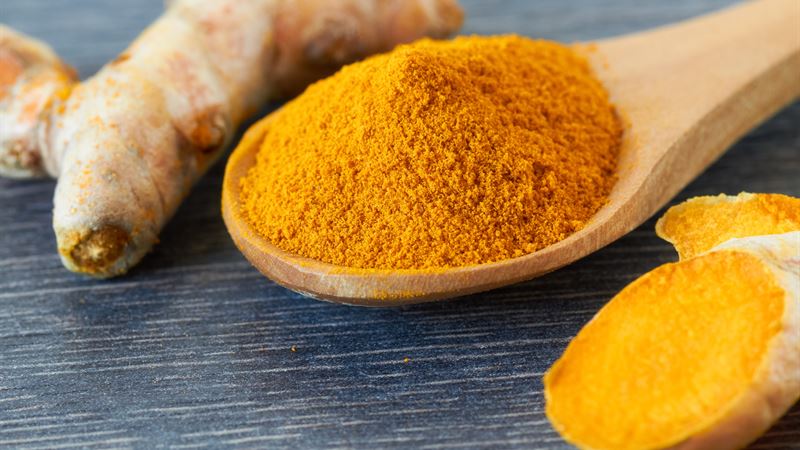
- The active compound “curcumin” found in turmeric plays a significant role in reducing inflammation within the body. When there is swelling or inflammatory response, turmeric curcumin may offer therapeutic benefits.
- Turmeric is widely used to alleviate various health issues such as arthritis, acid reflux, stomach cramps, bloating, joint discomfort, appetite loss, liver conditions, infections, jaundice, high cholesterol levels, skin disorders like lichen planus, fatigue, and hepatic problems.
- It also serves as a natural remedy for headaches, colds, respiratory infections including bronchitis, hay fever, itchy skin, leprosy, depression, Alzheimer’s disease, water retention, tuberculosis, diabetes management, renal issues, and inflammation of the urinary bladder.
- Turmeric's anti-inflammatory properties make it effective for managing inflammatory bowel diseases like Crohn’s disease and ulcerative colitis.
- Topically, turmeric paste can be applied to treat skin infections such as ringworm, sprains, swelling, leech bites, eye infections, gum diseases, and oral infections. Its antimicrobial properties support healing and relief from external skin ailments.
Medical Applications of Turmeric Curcumin
- Turmeric curcumin, especially the compound curcumin, has been shown to help mitigate symptoms of hay fever, including sneezing, nasal congestion, and itchy eyes. Its anti-inflammatory action can reduce the severity of allergic reactions.
- For individuals experiencing depression, turmeric taken alongside standard antidepressants may enhance mood and reduce depressive symptoms, owing to its neuroprotective and anti-inflammatory effects.
- Research suggests that turmeric extracts can be beneficial in reducing knee osteoarthritis pain when used in conjunction with prescribed medications, providing a natural supplement for joint health.
- People suffering from prolonged itching due to chronic kidney disease find relief with turmeric. Regular oral intake three times daily for about eight weeks has been linked to significant reduction in pruritis.
- Turmeric's capacity to lower blood triglycerides has made it a natural option for managing high cholesterol and supporting cardiovascular health.
- Emerging evidence indicates that curcumin may protect against skin damage from radiation therapy in cancer patients, potentially aiding skin recovery and healing.
- In diabetics, turmeric can assist in lowering blood sugar levels, contributing to better glycemic control. However, careful monitoring is essential to prevent hypoglycemia when combining turmeric with diabetes medications.
Possible Side Effects and Precautions
- Topical application of turmeric is generally safe, recommended for use over extended periods up to 8 months, provided there are no allergic reactions.
- Using turmeric as an enema or mouthwash can be effective, but should only be for short durations to avoid adverse effects.
- Pregnant and breastfeeding women can include turmeric in their diet without issues, but medicinal doses should be avoided as they might cause early menstruation, uterine stimulation, or other complications during pregnancy.
- Individuals with gallbladder problems should refrain from using turmeric, as it may worsen biliary issues and trigger pain or more severe symptoms.
- Because turmeric may thin the blood, it should be used cautiously by those with bleeding disorders or those prone to bruising, as it could exacerbate bleeding risks.
- Avoid turmeric if suffering from hormone-sensitive cancers such as uterine, breast, or ovarian cancer, as curcumin has estrogen-like effects that could influence cancer progression.
How to Incorporate Turmeric Into Your Diet
- Mix turmeric into scrambled eggs, tofu scramble, or frittatas for a mild and flavorful boost.
- Add it to roasted vegetables like potatoes, carrots, cauliflower, or root vegetables; its warm, peppery notes complement these dishes well.
- Stir a pinch into rice dishes or pilafs to enhance color and flavor.
- Sprinkle turmeric over sautéed greens such as kale, collards, or cabbage to elevate their taste and nutritional profile.
- Blend turmeric into soups, such as chicken or vegetable broths, for added warmth and health benefits.
- Use fresh turmeric root in smoothies and juices, ensuring a smoother flavor profile while benefiting from its medicinal properties.
- Prepare the classic “Golden Milk” by simmering turmeric with coconut milk and honey for a comforting, earthy beverage packed with health benefits.