
Comprehensive Guide to Turmeric Supplements: Benefits, Dosage, and Usage Tips
Discover the comprehensive benefits, optimal dosages, and usage tips for turmeric supplements. Learn how curcumin works, the best ways to enhance absorption, and different supplement options to improve your health naturally with this powerful spice.
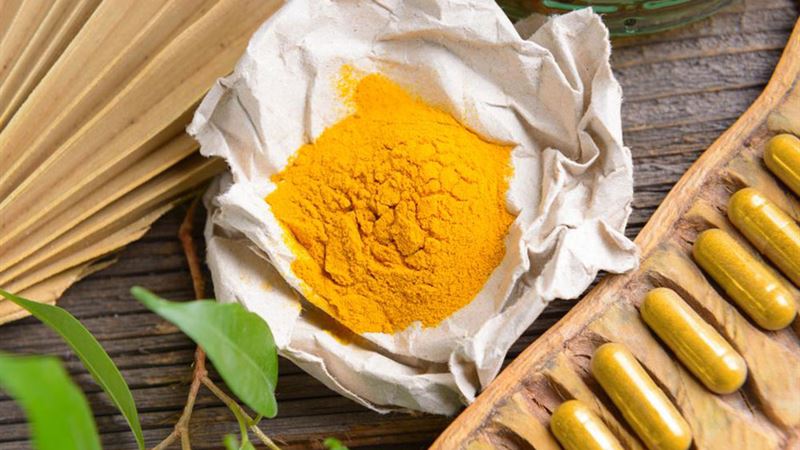
Turmeric supplements have gained significant popularity due to their numerous potential health benefits. Before incorporating turmeric into your daily regimen, it's essential to understand the key factors that can influence its efficacy and safety. In recent years, extensive research has shed light on how turmeric, particularly its active compound curcumin, can support various aspects of health. This article provides a thorough overview of what you need to know about turmeric supplements, including their benefits, recommended dosages, absorption tips, and different forms available in the market.
The Scientific Insights Behind Turmeric's Health Benefits
Many scientific studies point to turmeric’s remarkable anti-inflammatory and antioxidant properties. Research suggests that turmeric can help mitigate chronic inflammation, which is linked to a plethora of health issues such as cardiovascular disease, arthritis, and neurodegenerative conditions. Laboratory experiments and animal studies have demonstrated turmeric’s capacity to reduce inflammation markers and protect cell health. Although human clinical trials are still ongoing, preliminary findings indicate promising potential for turmeric in pain management and disease prevention.
The Role of Curcumin
Curcumin is the primary bioactive compound in turmeric responsible for most of its medicinal properties. The concentration of curcumin varies, and so does the effective dosage. Experts recommend a daily intake of around 200 mg to 500 mg of curcumin for general health benefits, but some protocols suggest much higher doses, up to 5 grams, divided throughout the day for therapeutic purposes. Due to its low bioavailability, curcumin needs specific methods of intake to maximize absorption.
Enhancing Curcumin Absorption
Curcumin is poorly absorbed by the human body when taken in isolation. Consuming turmeric or curcumin supplements with dietary fats, such as olive oil, nuts, or full-fat yogurt, significantly improves absorption. Incorporating turmeric into meals that contain healthy fats ensures better bioavailability. Other absorption techniques include pairing curcumin supplements with piperine (black pepper extract), which enhances bioavailability by up to 2000%.
Various Forms of Turmeric Supplements and Their Usage
Turmeric can be consumed in multiple forms, each with its own advantages:
- Fresh turmeric roots: Consuming 1.5 to 3 grams daily provides a natural source of curcumin.
- Dried and powdered turmeric: Typically contains 1 to 3 grams of curcumin per serving, suitable for culinary uses and supplements.
- Standardized curcumin extracts: Available as capsules or tablets, with common doses of 400 to 600 mg taken three times daily to ensure consistency and potency.
- Turmeric tinctures: Liquid extracts prepared in a 1:2 ratio, offering 15-30 drops four times a day, providing a concentrated form of turmeric in a user-friendly format.
Precautions and Final Tips
While turmeric supplements are generally safe when taken as directed, excessive dosages may lead to gastrointestinal discomfort or other side effects. It is advisable to start with lower doses and gradually increase as needed, consulting with a healthcare professional, especially if you are pregnant, nursing, or on medication. Proper storage and adherence to dosage instructions are crucial for maximizing benefits and minimizing risks.
In conclusion, turmeric supplements can be a valuable addition to a healthy lifestyle, especially for those seeking natural anti-inflammatory options. Understanding the recommended dosages, absorption techniques, and various supplement forms will help you make informed decisions and enjoy the full benefits of this ancient spice.