
The Remarkable Benefits and Uses of Turmeric Curcumin for Health and Wellness
Discover the extensive health benefits and versatile uses of turmeric curcumin, a natural remedy acclaimed for centuries. From skin healing and joint pain relief to its potential to delay liver damage and prevent neurodegenerative diseases, turmeric is a powerful addition to your wellness routine. This comprehensive guide explores its history, applications, and scientific backing, helping you understand why incorporating turmeric into your diet could enhance your overall health and prevent various ailments. Learn how this golden spice can transform your health naturally and effectively.
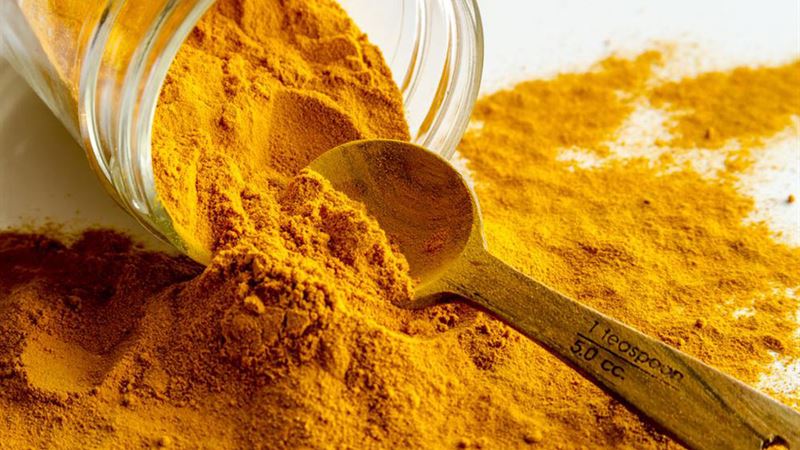
Turmeric, a golden-yellow spice, has been revered for centuries in traditional medicine systems like Ayurveda and Traditional Chinese Medicine for its powerful medicinal properties. Its roots and rhizomes are not only valued for culinary use but also for their therapeutic potential, making turmeric a versatile natural remedy. Over recent years, scientific research has increasingly validated many of the health claims associated with turmeric and its active compound, curcumin, showcasing its significant role in promoting overall health and combating various diseases.
Historically, turmeric has been utilized both topically and internally to treat a range of health issues. When applied externally, turmeric effectively aids in healing minor cuts, abrasions, burns, and skin infections. Its antibacterial and anti-inflammatory properties help reduce swelling and soothe skin inflammations. People have long used turmeric pastes or powders as natural remedies for skin conditions such as acne, psoriasis, and eczema. Moreover, topical application has shown promising results in alleviating joint pain linked to inflammation, including conditions like arthritis and tendinitis.
In addition to external use, incorporating turmeric into your diet offers numerous health benefits. Adding this bright spice to your meals, such as stews, soups, or curries, can enrich your diet with powerful antioxidants. For culinary enthusiasts, a simple teaspoon of turmeric can enhance both the color and nutritional profile of dishes. Its vibrant color not only makes food visually appealing but also boosts the nutritional content, aiding in disease prevention.
Pregnant women are often advised to moderate their turmeric intake, as high doses might have adverse effects. Nevertheless, for most people, regular consumption of turmeric can support skin health, improve digestion, and contribute to heart health by reducing inflammatory markers. The antioxidant properties of turmeric help neutralize free radicals, which are responsible for aging and various degenerative diseases.
Turmeric’s medicinal significance extends deep into internal health issues. It has been used traditionally to combat digestive disorders such as irritable bowel syndrome, colitis, and indigestion. Its anti-inflammatory qualities make it effective in reducing swelling and pain associated with inflammatory bowel conditions. Moreover, curcumin, the primary bioactive compound, exhibits remarkable effects in delaying the progression of liver damage, especially in the context of chronic viral infections like Hepatitis C. Over time, untreated liver conditions can lead to cirrhosis and liver failure; however, curcumin’s hepatoprotective properties may slow this deterioration.
Research indicates that curcumin possesses neuroprotective and anti-Alzheimer’s properties, which could be instrumental in preventing neurodegenerative diseases. Several studies suggest that turmeric’s active compounds help reduce amyloid plaque formation and inflammation in the brain, thereby potentially lowering the risk of Alzheimer’s. Furthermore, emerging evidence points toward turmeric’s anti-cancer properties, with studies indicating it may inhibit the growth of various cancer cells. While curcumin supplements are often used to target specific health issues, incorporating turmeric into everyday meals remains a simple yet effective preventive strategy.
In conclusion, turmeric and curcumin are powerful natural agents with a broad spectrum of health benefits. From skin healing and joint pain relief to chronic disease prevention, their uses are extensive. As research continues, it becomes increasingly clear that regular consumption of turmeric can be an essential component of a healthy lifestyle. However, consulting healthcare providers before starting high-dose supplements is recommended, particularly for pregnant women or those with existing health conditions. Embracing this centuries-old spice could be the key to unlocking better health and longevity.