
Comprehensive Approaches to Managing and Treating COPD Effectively
Discover comprehensive strategies for managing COPD effectively. From lifestyle changes and pulmonary rehab to advanced treatments like oxygen therapy, learn how to improve quality of life and extend longevity with personalized care plans tailored to your needs.
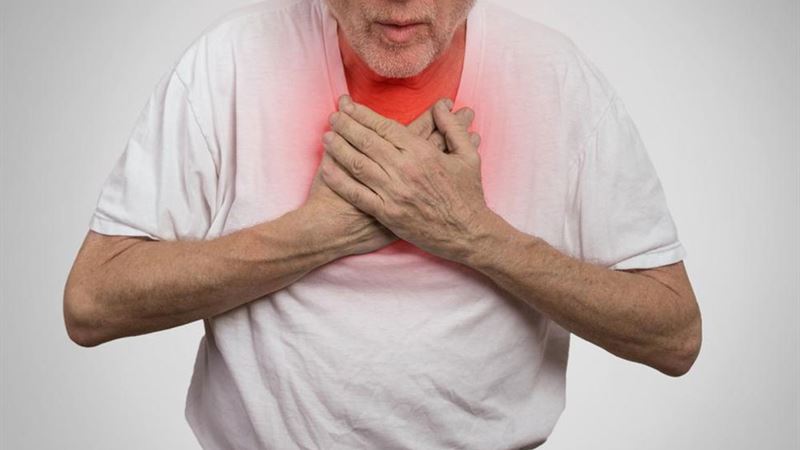
Chronic Obstructive Pulmonary Disease (COPD) is a progressive lung disorder that significantly impacts a person’s quality of life and longevity. While there is currently no cure for COPD, various treatment strategies exist to manage symptoms, slow disease progression, and improve overall health outcomes. An essential part of managing COPD involves setting realistic personal health goals and actively working towards achieving them. These goals empower patients to take control of their condition and enhance their life expectancy. In this comprehensive guide, we will explore effective treatment options, lifestyle modifications, and supportive therapies that can help COPD patients lead healthier, more comfortable lives.
Understanding COPD is crucial to appreciating the importance of tailored treatment plans. COPD is typically caused by long-term exposure to harmful substances such as cigarette smoke, air pollution, and occupational irritants. The disease manifests through symptoms such as persistent cough, mucus production, shortness of breath, and wheezing. Over time, it can lead to respiratory failure if not managed appropriately. The key to effective treatment lies in early diagnosis, lifestyle adjustments, and a combination of medical therapies designed to alleviate symptoms and prevent further lung damage.
- **Avoidance of Environmental Triggers**: One of the foundational steps in COPD management is minimizing exposure to air pollutants and quitting smoking if applicable. Air pollution aggravates lung inflammation and hampers recovery, so staying indoors during high pollution days and improving indoor air quality are advised. Smoking cessation is paramount, as continued smoking accelerates the decline in lung function and worsens prognosis.
Educating oneself about the disease process and maintaining strict adherence to prescribed medications constitute another vital component of treatment. COPD medications primarily aim to reduce airway constriction, decrease inflammation, and manage symptoms like shortness of breath. Regular use of inhalers, nebulizers, and other inhaled therapies can significantly improve daily functioning and reduce exacerbations.
- **Implementation of Pulmonary Rehabilitation**
Pulmonary rehabilitation is a structured program designed to enhance the physical and mental well-being of COPD patients. The program typically includes exercise training, nutritional counseling, disease education, and psychological support. These components collectively help improve muscle strength, cardiovascular health, and mental resilience, thereby allowing patients to breathe easier and engage more fully in daily activities. Under professional supervision, patients learn breathing techniques such as pursed-lip breathing and diaphragmatic breathing that can reduce shortness of breath during exertion.
Rehabilitation programs often involve a multidisciplinary team comprising pulmonologists, physical therapists, dietitians, and psychologists. Patients undergo assessments to tailor a personalized plan addressing their unique needs. Regular participation not only improves physical capacity but also fosters a positive outlook, which is crucial for chronic disease management.
- **Oxygen Therapy**
As COPD progresses, some patients experience a significant decline in blood oxygen levels, necessitating supplemental oxygen therapy. This intervention involves the use of oxygen concentrators or cylinders, providing a steady supply of oxygen via face masks or nasal cannulas. Oxygen therapy can help alleviate symptoms such as dizziness, fatigue, and shortness of breath, and extend life expectancy by supporting vital organ function. It is often prescribed for advanced COPD stages, especially when blood oxygen saturation drops below certain thresholds.
- **Use of Medications and Pharmacological Interventions**
Pharmacotherapy plays a central role in COPD management. Long-acting bronchodilators like beta-agonists and anticholinergics help keep airways open and ease breathing. In some cases, corticosteroids are prescribed to reduce inflammation, especially during flare-ups. Combining medications in inhalers or nebulizers enhances treatment efficacy. Adherence to prescribed regimens is critical to prevent exacerbations and slow lung function decline.
- **Preventing and Managing Infections**
Infections such as pneumonia or bronchitis can cause serious complications and worsen COPD symptoms. Preventive measures include vaccination against influenza and pneumococcal infections. When infections occur, antibiotics may be prescribed to eliminate bacterial pathogens. Proper management of infections is essential to prevent disease flare-ups, which can accelerate lung deterioration and hospitalization risk.
Beyond medication and medical therapies, adopting a holistic approach that includes dietary modifications, regular physical activity, and psychological support can greatly enhance life quality for COPD patients. Keeping a positive mental attitude, engaging in support groups, and avoiding stress contribute significantly to disease management. Moreover, continuous patient education about disease progression and self-care strategies fosters independence and confidence in managing symptoms.
In conclusion, managing COPD effectively requires a multifaceted approach. Through lifestyle modifications, medication adherence, pulmonary rehabilitation, oxygen therapy, and infection prevention, patients can achieve better control over their symptoms and enjoy an improved quality of life. Early intervention, support, and consistent care are the cornerstones of successful COPD management. Collaborating closely with healthcare providers and staying proactive in health strategies make a tangible difference in long-term health outcomes for those living with COPD.