
Comprehensive Guide to COPD Management and Treatment Strategies
This comprehensive guide explores COPD treatments, including medications, lifestyle changes, therapies, and advanced devices like oxygen therapy and CPAP. It emphasizes personalized care, proper device use, and patient empowerment to improve quality of life. Learn vital strategies to manage COPD effectively and prevent complications, ensuring a healthier, more comfortable life for those impacted by this chronic respiratory condition.
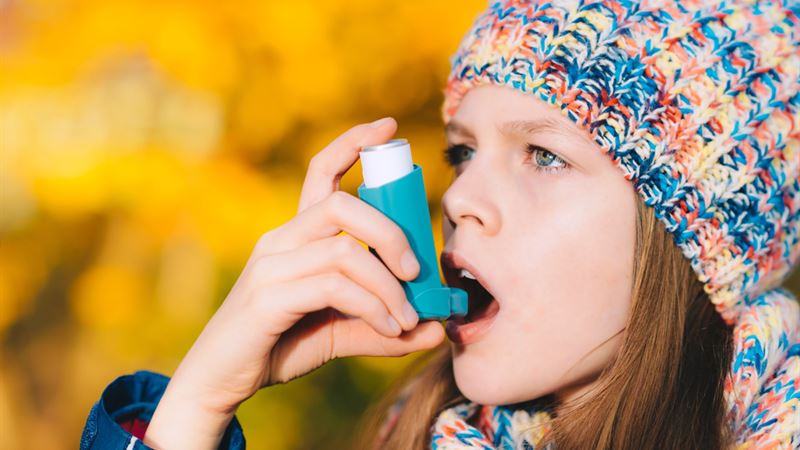
Effective COPD Treatment Options and Strategies
Chronic Obstructive Pulmonary Disease (COPD) is a persistent respiratory condition that impacts millions worldwide, necessitating comprehensive treatment approaches to manage symptoms and improve quality of life. Once diagnosed, patients often undergo a combination of therapies tailored to their specific needs. The goal of COPD management is to alleviate breathing difficulties, prevent exacerbations, and maintain daily activities. This extensive guide explores various treatment methods, including medications, lifestyle adjustments, therapeutic procedures, advanced devices, and patient education, to provide a thorough understanding of COPD care.
- Pharmacological Interventions
Respiratory specialists utilize an array of medications designed to control inflammation, relax airway muscles, and enhance airflow. Inhaled corticosteroids, long-acting bronchodilators, combination inhalers, and oral medications form the backbone of pharmacotherapy. Inhaled steroids reduce airway inflammation, while bronchodilators help open narrowed passages, making breathing less strenuous. Patients may also be prescribed phosphodiesterase-4 inhibitors, antibiotics during flare-ups, or other targeted medications based on disease severity and comorbidities. Proper inhaler technique and adherence are critical for medication efficacy. - Embracing Self-Care and Lifestyle Modifications
Self-management plays a vital role in COPD treatment. Patients are encouraged to adopt healthy lifestyle habits, including quitting smoking, engaging in tailored physical exercise, and implementing breathing techniques like diaphragmatic and pursed-lip breathing. Smoking cessation significantly halts disease progression and improves overall lung function. Regular physical activity enhances stamina and reduces symptoms. Additionally, avoiding respiratory irritants and maintaining a nutritious diet support respiratory health. Understanding and managing daily triggers prevents exacerbations and hospitalizations. - Therapeutic Procedures and Supportive Treatments
Beyond medications, various therapies are used to ease breathing and improve oxygenation. Oxygen therapy, administered via nasal cannulas or masks, delivers supplemental oxygen to patients with hypoxemia, helping to reduce fatigue and increase activity capacity. Pulmonary rehabilitation programs encompass exercise training, nutritional guidance, education, and psychological support, empowering patients to better manage their condition. These comprehensive programs improve functional ability, reduce symptoms, and enhance mental well-being.
Utilizing Continuous Positive Airway Pressure (CPAP) Devices
Patients experiencing sleep apnea alongside COPD are often prescribed CPAP therapy. CPAP machines provide a steady stream of pressurized air, keeping airways open during sleep, which significantly reduces apneas and improves sleep quality. Leading manufacturers like ResMed, CPAP Supply USA, and The CPAP Shop offer a variety of models and accessories suitable for different needs. Ensuring proper fit and routine maintenance of these devices maximizes their effectiveness and comfort for users.
The use of inhalers remains integral to COPD management. These devices improve airflow rapidly and are essential for both relief during acute episodes and long-term control. Multiple companies, including Propeller Health, Inogen®, ResMed, SeQuel®, and Invacare®, produce effective inhalers and portable oxygen concentrators trusted by healthcare providers.
Advancements in Portable Oxygen Concentrators
Portable oxygen concentrators (POCs) are essential tools for COPD patients requiring supplemental oxygen on the move. These devices generate medical-grade oxygen from ambient air, offering mobility and independence. Most POCs are approved by the Federal Aviation Administration (FAA), permitting air travel. Models like SeQual Eclipse, DeVilbiss Healthcare iGo, and O2 Concepts OxLife Independence provide continuous oxygen flow, essential for those with severe hypoxemia. Alternatively, products like Inogen One, AirSep FreeStyle, and Oxus Portable Oxygen Concentrators deliver pulse-dose oxygen, suitable for less severe needs. Proper selection and usage of POCs ensure optimal oxygen delivery and patient safety.
Critical Considerations in COPD Treatment
It is crucial for patients to consult healthcare professionals before initiating or adjusting any treatment modality. Incorrect medication combinations or improper device use can lead to adverse effects. Inhalers and oxygen concentrators are not substitutes for emergency care during sudden worsening of symptoms. Regular follow-up appointments, adherence to prescribed therapies, and patient education are vital components of effective COPD management. Moreover, personalized treatment plans based on ongoing assessments maximize outcomes and enhance the patient’s quality of life.
In conclusion, managing COPD requires a multidisciplinary approach encompassing medication, lifestyle changes, supportive therapies, and advanced devices. Patients should work closely with healthcare providers to develop tailored strategies that address their unique needs, ensuring the best possible control of this chronic disease and a better quality of life.