
Comprehensive Guide to Managing Helicobacter pylori Infections: Diagnosis and Treatment Strategies
This comprehensive guide explores the diagnosis and treatment of Helicobacter pylori infections. From understanding symptoms and risk factors to detailed explanations of diagnostic tests like breath tests, stool analysis, and endoscopy, it emphasizes the importance of professional medical guidance. The article highlights effective treatment options, medication types, and preventive strategies to combat this common bacterial infection. Learn how early detection and adherence to prescribed therapies can prevent serious complications such as ulcers or gastric cancer, promoting better digestive health for affected individuals.
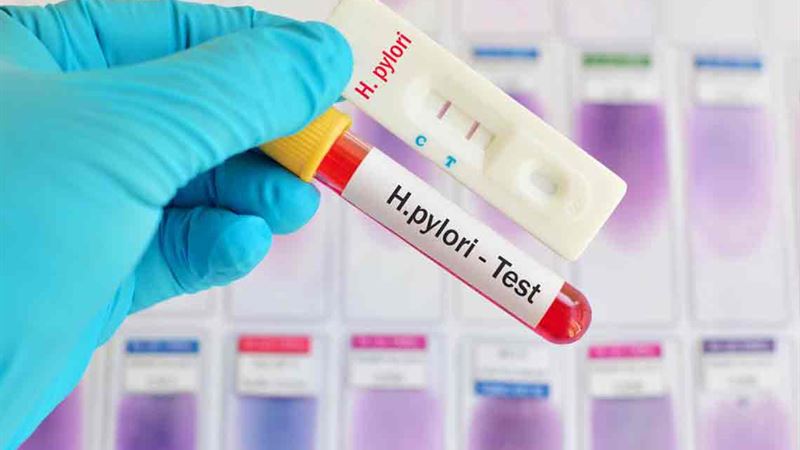
Helicobacter pylori, commonly known as H. pylori, is a bacterial infection that affects the stomach lining and is a significant cause of gastritis and ulcer formation. Treating this infection requires a careful approach, primarily because symptoms are often absent in the early stages, leading to delayed diagnosis and complications such as ulcers or even gastric cancer. This comprehensive guide aims to shed light on the various treatment options, diagnostic procedures, and essential considerations for managing H. pylori infections effectively.
Effective management of Helicobacter pylori involves a combination of medications aimed at eradicating the bacteria, alleviating symptoms, and preventing complications. It is crucial to understand that self-medication can be dangerous, and professional medical guidance must be sought to determine the appropriate treatment plan tailored to individual patient needs.
Medical Medications Used in H. pylori Treatment
The cornerstone of H. pylori eradication therapy is antibiotic therapy, often combined with acid-suppressing medications. These drugs serve to create an environment less conducive to bacterial survival and aid in healing existing gastric mucosa damage. Some of the key medication classes include:
- Proton Pump Inhibitors (PPIs): These drugs effectively reduce stomach acid production, fostering a healthier environment for healing and improving the efficacy of antibiotics. Common PPIs include omeprazole, esomeprazole, lansoprazole, pantoprazole, and dexlansoprazole. They are often prescribed as part of a dual or triple therapy regimen.
- H-2 Receptor Antagonists: These medications block histamine receptors in stomach cells, decreasing acid secretion. Well-known examples include cimetidine (Tagamet), ranitidine (Zantac), famotidine, and nizatidine. They are sometimes used in combination with other drugs or as standalone treatments for managing symptoms.
- Bismuth-containing Medications: Bismuth compounds, such as bismuth subsalicylate (Pepto-Bismol), coat the stomach lining and protect it from irritation. They also have antimicrobial properties, helping to eliminate H. pylori. Bismuth-based therapy often forms part of the quadruple therapy approach, especially in cases of resistant infection.
Diagnostic Procedures for Detecting H. pylori
Accurate diagnosis is vital for effective treatment. Multiple tests are available, each with its advantages and limitations. It is essential to select appropriate diagnostic tools based on the patient's clinical situation and medical history.
Blood Tests
Serological testing involves analyzing blood samples for antibodies against H. pylori. While this method can indicate whether a person has been exposed to the bacteria, it is less effective in confirming active infection because antibodies may persist after eradication. Therefore, blood tests are less preferred for diagnosing active cases but can be useful for screening in certain contexts.
Stool Antigen Test
This test detects H. pylori antigens in fecal matter, providing a more reliable indication of active infection. It is simple and non-invasive, making it suitable for both initial diagnosis and post-treatment confirmation. However, medications like PPIs and antibiotics can influence results; hence, patients should discontinue such drugs at least two weeks before testing.
Urea Breath Test
The urea breath test is considered one of the most accurate non-invasive methods for detecting active H. pylori infection. Patients swallow a solution containing urea tagged with a carbon isotope. If H. pylori bacteria are present, they produce urease enzymes that break down urea, releasing carbon dioxide detectable in the patient's exhaled breath. To ensure accuracy, patients must avoid antibiotics and acid-suppressing drugs for at least two weeks before the test.
Endoscopy with Biopsy
Invasive but highly definitive, this method involves inserting a flexible endoscope through the mouth into the stomach. During the procedure, tissue biopsies are collected for laboratory analysis, including rapid urease testing, histology, or bacterial culture. Endoscopy is especially useful when complications such as bleeding ulcers or uncertain diagnosis are suspected. It is generally reserved for cases where other tests are inconclusive or when secondary conditions are suspected.
Recognizing Symptoms and Risk Factors
Notably, many individuals infected with H. pylori do not experience symptoms initially, making early detection challenging. Nevertheless, certain signs and symptoms can develop over time, indicating the need for medical evaluation:
- Nausea and persistent abdominal discomfort
- Burning sensation or pain in the stomach area, particularly on an empty stomach
- Frequent burping and bloating
- Loss of appetite
- Unexplained weight loss
- Vomiting or bleeding in severe cases
Typically, infection occurs during childhood and is transmitted via contaminated food, water, or close contact with infected individuals. Living in overcrowded or unsanitary conditions, lacking access to clean drinking water, and poor hygiene practices are significant risk factors.
Preventing H. pylori Infection and Promoting Recovery
Preventive measures are vital in reducing infection risk and supporting recovery:
- Maintaining high standards of personal and environmental hygiene
- Consuming clean, safe drinking water
- Practicing proper food handling and sanitation
- Seeking prompt medical attention if symptoms appear
- Adhering strictly to prescribed treatment regimens to ensure complete eradication of bacteria
Additional Considerations and Challenges in Treatment
While most cases respond well to therapy, some strains of H. pylori exhibit antibiotic resistance, making eradication more challenging. In such instances, healthcare providers may prescribe alternative or combination therapies, including quadruple therapy, which incorporates bismuth compounds, antibiotics, and acid suppressants.
It’s also essential to complete the full course of medication, even if symptoms improve, to prevent relapse or resistance development. Regular follow-up testing post-treatment is recommended to confirm successful eradication and ensure no reinfection occurs.
Conclusion
Managing H. pylori infection effectively requires a combination of precise diagnosis, appropriate medication, and lifestyle modifications. Early detection, adherence to treatment plans, and improved hygiene practices significantly reduce the risk of complications and promote long-term digestive health. If you suspect an infection or experience persistent stomach issues, consult a healthcare professional for proper evaluation and targeted intervention.