
Comprehensive Guide to Recognizing and Managing Infant Eczema Symptoms
This comprehensive article explores the signs, causes, and management of infant eczema, providing detailed guidance for parents to recognize symptoms early and adopt effective treatment strategies. Understanding triggers and proper skin care routines can significantly improve an affected baby’s comfort and health.
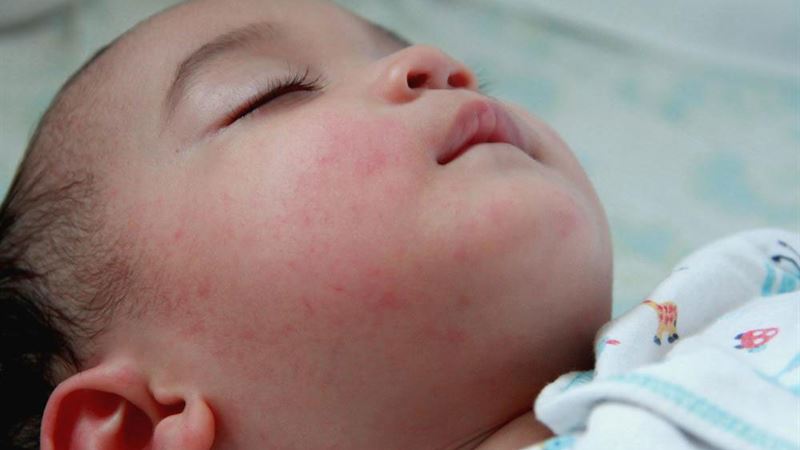
Infant eczema, also known as atopic dermatitis, presents with a variety of skin symptoms that can be both uncomfortable and distressing for babies and their caregivers. The hallmark signs often include persistent itching, dryness, redness, and cracked or irritated skin. In more severe cases, these affected areas may ooze fluid or bleed, indicating compromised skin integrity. The most common sites where eczema manifests in infants are the face, particularly around the cheeks and forehead, the neck, hands, elbows, and behind the knees. Recognizing these signs early enables timely management to alleviate discomfort and prevent complications.
While the exact causes of eczema in babies remain not entirely understood, medical research suggests a complex interplay of genetic predispositions and environmental factors. There is a significant correlation between eczema and other allergic conditions, such as hay fever and asthma, which tend to run in families. Genetic factors influence the skin’s barrier function, making it more susceptible to irritants and allergens, and thus increasing the likelihood of eczema flare-ups. Environmental triggers, including exposure to harsh soaps, detergents, and irritants, can also precipitate or worsen symptoms.
Infant eczema typically emerges suddenly, often during the first few months of life, and may recur periodically. During flare-ups, a baby’s skin becomes overly dry and develops reddish patches that are itchy and sometimes inflamed. These outbreaks are mainly caused by an exaggerated immune response to certain environmental allergens or irritants, which provoke inflammation and skin irritation.
Effective management of eczema involves identifying triggers and minimizing exposure to irritants. Many common household products such as strong body chemicals, fabric softeners, laundry detergents, shampoos, and fragrances can aggravate the condition. Therefore, the recommended approach emphasizes gentle skin care routines—using emollients during baths rather than traditional soaps or detergents, and opting for fragrance-free, non-biological laundry detergents. These practices help to maintain the skin’s natural moisture barrier and reduce flare-ups.
In babies with mild eczema, characterized by few itchy patches or small red bumps, treatment often includes the regular application of emollients like lotions, ointments, or creams to keep the skin hydrated. In cases where inflammation persists or worsens, pediatricians might prescribe low-potency steroid creams to reduce inflammation. Care should be taken to follow medical advice closely to avoid potential side effects of medication. For severe or widespread eczema, a more comprehensive treatment plan may be necessary, potentially involving topical or systemic medications and allergen avoidance strategies.
Managing discomfort and preventing infections are paramount in infant eczema care. Since scratching can break the skin, leading to secondary bacterial infections, caregivers should ensure the baby’s nails are kept short and consider using soothing techniques or distraction methods to reduce scratching behavior. For persistent or severe cases, dermatologists or pediatric allergists may recommend additional therapies such as phototherapy or allergy testing to identify specific triggers.
Empowering parents with knowledge about eczema's symptoms, causes, and management strategies is crucial. With proper skin care, environment control, and medical guidance, most infants can lead comfortable lives despite their skin condition. Recognizing early signs, avoiding known irritants, using appropriate moisturization, and following medical advice all contribute to effective eczema control, easing the discomfort for babies and peace of mind for parents.