
Comprehensive Guide to Bed Bug Prevention and Eradication Using Natural and Chemical Solutions
Discover a comprehensive guide to eliminating bed bugs using natural remedies and chemical treatments. Learn how steam, essential oils, neem oil, diatomaceous earth, and professional pest control options can help you eradicate these pests effectively. Prevent future infestations with practical tips and strategies suitable for safe, eco-friendly, or chemical-based approaches, ensuring a pest-free and comfortable home environment.
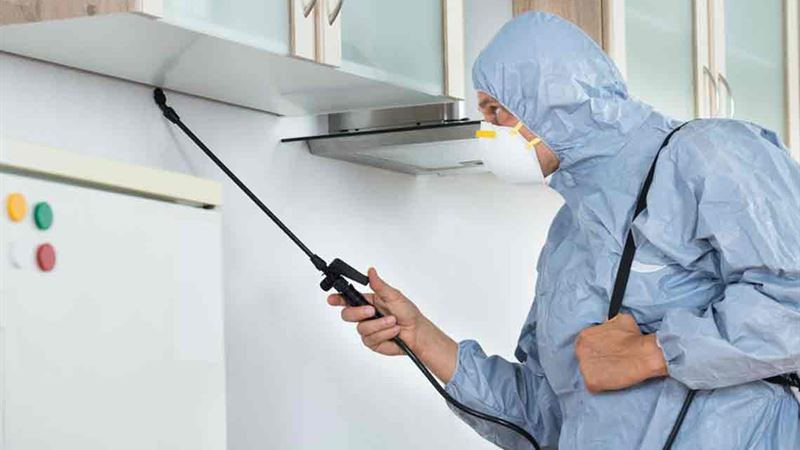
Bed bugs are tiny, elusive parasites that can hide in cracks, crevices, mattress seams, furniture joints, and even electrical outlets. Their ability to hide and reproduce rapidly makes them difficult to eradicate once established. Therefore, employing a multi-pronged approach is often necessary. This guide will detail natural remedies that are safe and eco-friendly, alongside proven chemical treatment options, giving homeowners and pest control professionals a thorough understanding of effective bed bug management.
Natural Remedies for Bed Bug Control
Natural remedies are increasingly popular due to their safety profile, minimal environmental impact, and ability to target pests without harmful chemicals. Below are some of the most effective natural solutions for managing bed bugs:
- Steam Treatment
High-temperature steam is one of the most effective methods for exterminating bed bugs in their hidden locations. Bed bugs cannot survive temperatures exceeding 140°F (60°C). Using a heavy-duty steam cleaner, you can treat mattress seams, furniture joints, baseboards, and cracks in walls. The key advantage of steam is its ability to penetrate fabric layers and reach hidden bugs without the use of chemicals.
To use steam effectively, start by vacuuming the area thoroughly to remove surface bugs and eggs. Then, apply steam over the infested regions, ensuring the nozzle makes direct contact. After steaming, ventilate the area and allow it to dry completely. Repeating this process several times will increase the chances of eradication. A professional-grade steam cleaner with a large water tank ensures continuous operation, making the process efficient and less time-consuming.
- Essential Oil Solutions
Essential oils like tea tree, eucalyptus, peppermint, and lavender are regarded for their insecticidal and repellent properties. Among these, tea tree oil stands out due to its potent antifungal and antibacterial qualities. When used in proper dilutions, these oils can help repel bed bugs and prevent their spread.
For a DIY spray, mix around 20 drops of tea tree oil with water in a spray bottle. However, direct contact is necessary for effective killing, so undiluted oil sprayed directly on bugs yields better results. Be mindful of potential skin irritation for sensitive individuals. Use the spray on bedding, furniture, and infested areas regularly to create a hostile environment for bed bugs.
- Neem Oil
Neem oil, derived from the seeds of the neem tree, is a natural insect repellent used in agriculture and pest control. Its active compounds disrupt the feeding and reproductive cycles of bed bugs, making it an effective deterrent. Dilute neem oil with water and spray on infested furniture, cracks, and crevices. Its strong smell acts as a natural repellent, although it may be unappealing to some residents.
For high infestation scenarios, it’s advisable to spray directly without dilution. Regular application helps maintain a pest-free environment. Besides acting as a repellent, neem oil also has antifungal properties, making it a versatile natural remedy.
- Diatomaceous Earth (DE)
Diatomaceous earth is a natural powder made from fossilized diatoms. Its abrasive and absorbent qualities physically damage the exoskeletons of bed bugs, dehydrating and killing them. It is safe for humans and pets when used correctly.
Application involves sprinkling a thin layer of DE around infested areas: mattress edges, furniture joints, cracks, and baseboards. Before applying, remove electrical faceplates and other obstructions. Leave the powder undisturbed for several hours or days, then vacuum thoroughly. Repeat the process periodically for ongoing prevention and control.
- Pyrethrum-Based Sprays
Pyrethrum, derived from chrysanthemum flowers, is a natural insecticide that affects the nervous system of bed bugs, leading to paralysis and death. Commercial sprays containing pyrethrum or pyrethroids are effective for quick knockdown of infestations.
When applying, follow label instructions carefully to ensure safety and efficacy. These sprays can be used on mattresses, furniture, and cracks but should be used with caution to prevent inhalation or contact with skin.
Chemical and Commercial Bed Bug Treatments
While natural methods are preferable for their safety, severe infestations often require targeted chemical solutions for eradication. Here are some professional and commercially available options:
- Residual Insecticide Sprays
These sprays contain adulticides and residual agents that continue to kill bugs long after application. They are suitable for treating seams, under furniture, and around baseboards. Ensure proper ventilation and follow safety guidelines when using chemical treatments.
- Dust Formulations
Insecticidal dusts like silica gel or diatomaceous earth are applied into wall voids, electrical outlets, and cracks. These powders cling to the bugs and cause dehydration over time. Dusts are especially useful in inaccessible areas.
- Heat Treatments by Professionals
For large infestations, professional heat treatment services can raise room temperatures to levels lethal for bed bugs without chemicals. This method is fast, chemical-free, and highly effective, though it requires specialized equipment and expertise.
Preventive Measures and Tips
Prevention is key in avoiding future bed bug problems. Here are some best practices:
- Inspect second-hand furniture thoroughly before bringing it into your home.
- Encase mattresses and box springs with specially designed bed bug-proof covers.
- Regularly vacuum carpets, mattresses, and furniture to remove eggs and bugs.
- Reduce clutter to eliminate hiding spots.
- Carefully examine hotel rooms during travel and keep luggage elevated and away from beds.
- Promptly treat infested items and areas at the first sign of bed bugs.
By adopting a proactive approach combining sanitation, physical barriers, and targeted treatments, you can effectively manage and prevent bed bug infestations.
Summary
Effective bed bug control involves understanding the array of treatment options available, from natural remedies like steam, essential oils, neem oil, and diatomaceous earth to chemical solutions such as residual sprays and professional treatments. Combining these approaches with preventive measures can help ensure a pest-free home environment. Whether opting for environmentally friendly methods or chemical solutions, consistent application and diligence are essential for success. Always prioritize safety by following usage instructions and consulting pest control professionals for severe infestations.