
Effective Strategies for Eliminating Bed Bugs Using Sprays
Discover comprehensive strategies for eliminating bed bugs using both chemical and natural sprays. Learn about the most effective formulations, application tips, and safety precautions to effectively eradicate these pests from your home. From residual chemical sprays to eco-friendly options, this guide provides detailed insights to help you achieve pest-free living environments efficiently and safely.
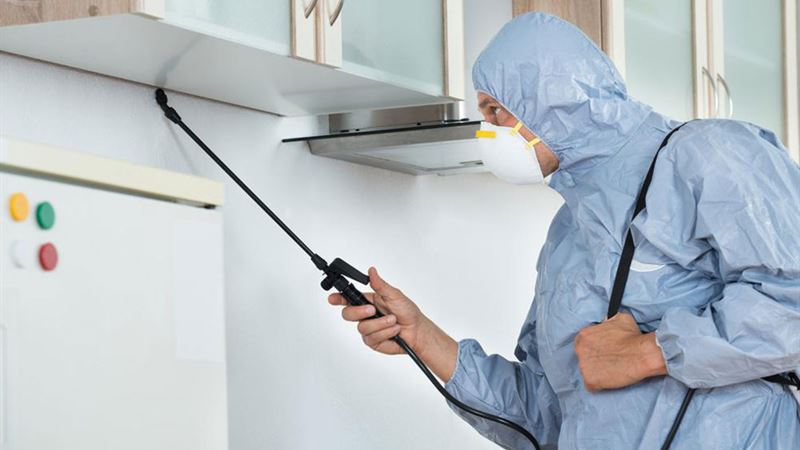
Dealing with a bed bug infestation can be a challenging and stressful experience. With the proliferation of various bed bug sprays available in the market today, understanding the most effective options and proper application techniques is crucial to successfully eradicate these pests. Whether you opt for chemical-based formulations or natural remedies, choosing the right spray and applying it correctly can make a significant difference in eliminating bed bugs and preventing future infestations.
Bed bug control is a complex task that requires careful planning, consistent action, and knowledge of the different types of sprays available. These infestations often occur in the smallest and most hidden areas—inside cracks in floors, behind furniture, under skirting boards, and in mattress seams—making targeted application essential for effective eradication. In this comprehensive guide, we will explore the various types of bed bug sprays, their benefits and limitations, and tips for safe and effective use to restore comfort and peace of mind in your living space.
Understanding Bed Bug Sprays: Types and Components
When choosing a bed bug spray, it's important to understand the distinction between different formulations. Broadly, these can be categorized into artificial chemical sprays and natural or organic sprays. Each type has its own set of advantages and considerations based on effectiveness, safety, and application scope.
Artificial Chemical Sprays: Potent and Long-Lasting Solutions
Chemical-based sprays are widely favored for their immediate knockdown effect and residual activity. They contain active ingredients designed to target the nervous systems of bed bugs, causing paralysis and ultimately death. These products are typically formulated with pyrethrins, pyrethroids, neonicotinoids, or other inorganic compounds, making them highly effective when applied correctly.
Pyrethrin and Pyrethroid-Based Sprays: The Leading Choices
Pyrethrin, derived from natural chrysanthemum flowers, and synthetic pyrethroids are among the most popular active ingredients in bed bug treatments. They act rapidly on insects' nerve cells, causing paralysis. Products with these ingredients are often EPA-registered and have proven effective in professional pest control applications. It's important to carefully follow label instructions and apply these sprays directly to hiding spots such as cracks, crevices, and beneath furniture to ensure maximum contact with bed bugs.
Insect Growth Regulators (IGRs): Disrupting Development to Prevent Reinfestation
Another category of chemical control agents involves insect growth regulators like Hydroprene. Unlike contact insecticides, IGRs interfere with the reproductive and developmental processes of bed bugs, inhibiting molting and maturation. They offer a desirable residual effect, continuing to control insects for days or weeks after application. Combining IGRs with contact sprays can enhance overall effectiveness and reduce the likelihood of reinfestation.
Additional Chemical Ingredients: Diversifying the Arsenal
Other chemical components that have shown efficacy against bed bugs include DDVP (dichlorvos), chlorfenapyr, propoxur, S-hydroprene, and neem oil. Each of these acts through different mechanisms and may be included in various formulations to target infestation holistically. Consulting a pest control professional can help determine the most suitable chemical options based on the severity of the infestation and safety considerations.
Natural and Organic Sprays: Safer Alternatives
If you prefer eco-friendly methods or are concerned about chemical residues, natural bed bug sprays provide a viable option. These products often use botanical extracts and environmentally safe compounds to kill bed bugs on contact. While their residual effects may be shorter-lived compared to chemical sprays, they can still be effective when used properly.
EcoRaider’s Bed Bug Killer: A Top Organic Choice
This organic spray is renowned for its ability to eliminate bed bugs naturally and effectively. It acts on contact and has a residual effect lasting approximately two weeks, ensuring ongoing protection against new or remaining insects. Because it targets both larvae and adult bugs, EcoRaider provides a comprehensive approach to eradication, making it suitable for homes, hotels, and even during travel. Its portability and non-toxic formulation make it an excellent choice for eco-conscious households and travelers alike.
Other Natural Ingredients and Techniques
Natural sprays often include ingredients like neem oil, diatomaceous earth, or botanical extracts such as lavender, tea tree oil, and peppermint. These substances may repel or kill bed bugs when sprayed directly onto infested areas. Combining natural sprays with mechanical methods—such as vacuuming, laundering bedding at high temperatures, and sealing cracks—can significantly improve results.
Tips for Safe and Effective Use of Bed Bug Sprays
Regardless of the product chosen, proper application is key to successful treatment. Here are some essential tips:
- Identify all infested areas before spraying to ensure comprehensive treatment.
- Wear protective gear, including gloves and masks, when applying chemical sprays.
- Spray directly onto bed bug hiding spots, including mattress seams, bed frames, furniture joints, and floor cracks.
- Avoid over-saturating surfaces to prevent unwanted residues and potential health risks.
- Allow treated areas to dry completely before re-entering to minimize exposure.
- Repeated treatments may be necessary; monitor the infestation and reapply as needed.
- Combine chemical or natural sprays with other pest control strategies for optimal results.
In conclusion, successfully controlling bed bugs requires an understanding of available spray options, their proper application, and a combination of integrated pest management practices. Whether you prefer potent chemical formulations or natural solutions, careful selection and diligent use can help you eliminate these pests and restore comfort in your living environment. Always prioritize safety and consider consulting pest control professionals for severe infestations or if you are unsure about the best approach.
By leveraging the right sprays and techniques, you can effectively combat bed bug problems and enjoy a pest-free home once again.