
Ultimate Guide to Effective Bed Bug Sprays: Top Products and Application Strategies
Learn about the most effective bed bug sprays, including chemical and natural options, top brands, and best application techniques to eradicate infestations. This comprehensive guide helps homeowners and professionals combat resistant bed bugs effectively, ensuring a pest-free environment with safe, targeted treatments.
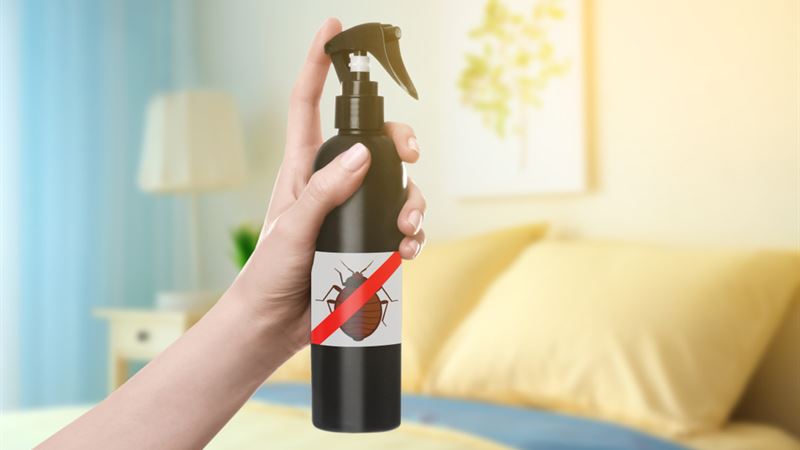
Dealing with bed bugs can be a challenging and distressing experience, especially as these tiny pests become increasingly resistant to conventional treatments. Many homeowners find themselves frustrated when traditional bed bug sprays fail to provide long-lasting solutions. Understanding the most effective sprays, their chemical compositions, and proper application techniques is crucial for successful eradication.
While there are numerous chemical-based treatments available on the market, recent studies have indicated that some bed bugs have developed resistance to common ingredients such as pyrethroids, which are historically the first line of defense in many sprays. This resistance makes it essential to select products carefully and to understand their modes of action. Additionally, natural and DIY options exist, but their effectiveness varies depending on how and where they are used.
In this comprehensive guide, we'll explore the most reliable bed bug sprays, their key ingredients, optimal application techniques, and where to target for maximum efficacy. We will also review some of the top brands and products currently available, helping you make informed decisions whether you're tackling a small household infestation or a more severe outbreak.
Understanding Bed Bug Resistance and Chemical Composition
The fight against bed bugs is complicated by their ability to develop resistance. Pyrethroids, compounds derived from natural pyrethrins, have historically been the cornerstone of bed bug elimination. These chemicals disrupt the nervous system of insects, leading to paralysis and death. However, due to overuse and exposure, some populations of bed bugs have evolved resistance mechanisms, rendering pyrethroid-based sprays less effective.
As a result, pest control professionals and homeowners are increasingly turning to alternative chemicals and formulations. Commonly used ingredients include neonicotinoids, which target the nervous system differently; organophosphates like DDVP; and natural oils such as neem oil. Inorganic compounds and newer bio-insecticides like S-hydroprene target different biological pathways in bed bugs, providing options to combat resistant strains.
Understanding the mode of action of these chemicals is vital. For example, neonicotinoids act on nicotinic acetylcholine receptors, causing overstimulation and eventual paralysis. In contrast, alcohol-based sprays function mainly by contact suffocation. When choosing a treatment, it's essential to match the chemical profile with the specific resistance patterns of the infestation.
Effective Application: Where and How to Spray
The success of any bed bug spray largely hinges on correct application. Since most sprays only kill insects upon contact, targeting the right areas is crucial. Bed bugs tend to hide in secluded, dark, and narrow spaces, making thorough treatment a must.
Start by inspecting your sleeping and living areas, including mattress seams, box springs, bed frames, and headboards. Pay particular attention to hidden crevices behind wallpapers, under baseboards, inside electrical outlets, and within cracks in flooring or furniture. Don't forget to treat travel-related items like luggage, backpacks, and clothing, as these are common sources of spreads and reinfestation.
Apply sprays generously on all targeted surfaces, ensuring contact with potential hiding spots. Use a trigger spray or applicator with a fine nozzle to reach cracks and crevices effectively. Always follow manufacturer instructions regarding spray quantity and drying time. For heavy infestations or larger areas, consider using combined treatments like dusts or long-lasting residual sprays.
Leading Bed Bug Spray Brands and Their Features
Several reputable products have gained popularity for their proven effectiveness against bed bugs. Below, we explore some of the best options available in the market today, with detailed features and recommended applications.
Harris Bed Bug Killer
Pricing around $20, Harris Bed Bug Killer is a widely trusted solution suitable for household use. It not only targets bed bugs but also kills lice, making it versatile. Its formulation is relatively safe for use around children and pets when used as directed. Harris has developed an advanced version designed specifically for pyrethroid-resistant bed bugs, priced approximately at $54.79. This formulation employs alternative compounds to overcome resistance, making it a potent choice for stubborn infestations.
Ortho Home Defense Dual Action Bed Bug Spray
This spray, costing roughly $12.98 per can, is celebrated for its dual action capability. It effectively kills bed bugs, fleas, ticks, and lice, and is formulated to combat pyrethroid-resistant strains. Its versatile nature makes it suitable for residential use where multiple pests are a concern. The product's fast action and residual effects help eliminate infestations efficiently without frequent reapplication.
Bed Bug Patrol
Priceing approximately $18.48, Bed Bug Patrol is known for its potent residual effects and ability to handle intensive infestations. It can significantly reduce the population of bed bugs within just 10 days. Its formulation is suitable for applying directly on common contact surfaces like mattresses, cushions, and furniture. Its natural ingredients make it a popular choice among those seeking eco-friendly options that do not compromise safety.
Temprid SC Killer
This professional-grade product is designed for large-scale applications and is effective against over 50 pest species, including pyrethroid-resistant bed bugs. It contains a dual-action formula with beta-cyfluthrin to target normal pests and imidacloprid to handle resistant strains. Available as a ready-to-use spray costing about $22.95 or as a concentrate around $76.30, it's suitable for extensive infestations requiring professional or large-volume treatment. Its high efficacy makes it a top choice among pest control experts.
In conclusion, selecting the right bed bug spray involves understanding your specific situation, infestation severity, and resistance issues. Proper application and targeting the critical hiding spots are essential for complete eradication. Whether opting for home-use products or professional-grade sprays, an integrated approach combined with thorough cleaning and inspection will maximize your chances of success.