
Comprehensive Guide to Bacterial Skin Infections: Types, Symptoms, and Prevention Strategies
Explore an in-depth overview of bacterial skin infections, including types like boils, carbuncles, impetigo, and erythrasma. Learn symptoms, risk factors, and preventive tips to maintain healthy skin. This guide covers chronic conditions like hidradenitis suppurativa and offers insights into effective treatments and hygiene practices to prevent infections and promote skin health.
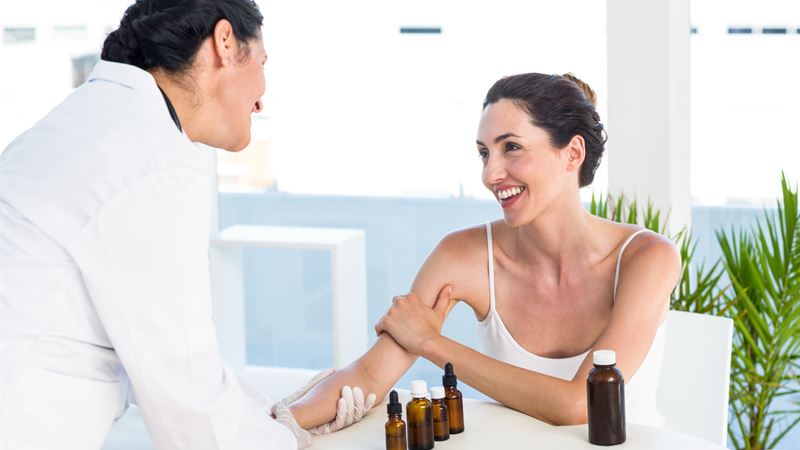
Bacterial skin infections are a prevalent health concern affecting individuals of all ages worldwide. These infections can range from mild skin irritations to severe, systemic conditions requiring prompt medical intervention. Understanding the different types of bacterial skin infections, their symptoms, causes, and preventive measures is crucial in promoting skin health and preventing complications. In this comprehensive guide, we delve into various bacterial skin infections, including their clinical features, risk factors, treatment options, and tips on how to safeguard your skin effectively.
Understanding Bacterial Skin Infections
Bacterial skin infections occur when harmful bacteria invade the skin, leading to inflammation, redness, swelling, and sometimes pus formation. The skin acts as a protective barrier, but breaches like cuts, insect bites, or skin conditions can allow bacteria to enter and multiply. Proper hygiene, timely treatment, and preventive care are essential in managing these infections and reducing their spread.
Common Types of Bacterial Skin Infections
- Furuncles (Boils): Furuncles are localized infections involving hair follicles, characterized by painful, swollen, and red nodules filled with pus. They often appear suddenly and can rupture, discharging a thick, yellowish pus. Factors such as obesity, diabetes, immune suppression, and use of corticosteroids increase susceptibility. Typically, minor furuncles resolve themselves, but recurrent or large boils require medical attention.
- Carbuncles: These are clusters of infected hair follicles that develop into larger, more painful skin boils. Carbuncles are often flush with redness, are tender to touch, and may be accompanied by systemic symptoms like fever. They tend to drain through multiple tracts and may leave scars. Serious cases often necessitate surgical drainage combined with systemic antibiotics.
- Impetigo: Commonly affecting children, impetigo is a highly contagious bacterial skin infection caused primarily by Staphylococcus aureus and Streptococcus pyogenes. It manifests as honey-colored crusted pustules, mainly around the nose and mouth, which can crack and ooze. If left untreated, impetigo can spread to other skin areas and cause discomfort. The bullous form features larger blisters that rupture easily, leaving lesions behind.
- Erythrasma: This bacterial skin infection results from Corynebacterium minutissimum. It typically affects skin folds such as between toes, groin, armpits, and beneath the breasts. Erythrasma presents as pink or reddish patches with distinct borders, gradually darkening to brown or rust-colored as the infection progresses. It is more common among the elderly, overweight, diabetics, and those living in humid environments.
- Hidradenitis Suppurativa: A chronic, painful condition involving the apocrine sweat glands, particularly in areas like the underarms, groin, and buttocks. It manifests as small abscesses, nodules, and tunnels that tend to rupture, exude pus, and result in scarring. The exact cause remains unclear, but bacteria may play a role in exacerbating the condition. This disease often persists for years, significantly impacting quality of life.
Signs and Symptoms of Bacterial Skin Infections
- Redness, swelling, and warmth in the affected area
- Pain and tenderness, especially when touched
- Presence of pus or crusted over lesions
- Fever and malaise in severe cases, particularly with systemic infections
- Formation of abscesses or boils that may drain spontaneously
- Itching and discomfort, leading to scratching and potential wound worsening
Risk Factors Contributing to Bacterial Skin Infections
- Skin injuries, cuts, or abrasions that breach the skin's protective barrier
- Poor hygiene and inadequate skin care routines
- Underlying health conditions such as diabetes, obesity, and immune suppression
- Living in warm, humid environments that promote bacterial growth
- Use of corticosteroid medications, which can weaken skin defenses
- Close contact with infected individuals, facilitating spread
Preventive Measures to Reduce Bacterial Skin Infections
- Maintain proper skin hygiene by washing regularly with soap and water
- Avoid sharing personal items like towels, clothing, and grooming tools
- Immediately clean and protect cuts, wounds, or insect bites with sterile dressings
- Use antiseptics to disinfect skin surfaces, especially if prone to infections
- Wear loose, breathable clothing to prevent skin irritation and sweating
- Manage underlying conditions such as diabetes and obesity effectively
- Limit exposure to hot, humid environments when possible
- Follow your healthcare provider's advice regarding antibiotics or topical treatments
Advanced Bacterial Skin Conditions: Focus on Hidradenitis Suppurativa
Hidradenitis suppurativa (HS) is a complex, chronic skin disorder characterized by painful nodules and abscesses primarily affecting areas with apocrine sweat glands. Although bacterial involvement may worsen symptoms, its exact etiology involves immune system factors and follicular occlusion. Patients often experience recurrent flare-ups, persistent discomfort, and scarring. While antibiotics may alleviate bacterial exacerbation, comprehensive management includes lifestyle modifications, targeted therapies, and sometimes surgical intervention.
In conclusion, bacterial skin infections represent a diverse group of conditions that, despite their common bacterial origin, vary significantly in presentation, severity, and treatment. Early diagnosis, appropriate therapy, and diligent preventive care are effective in managing these infections and preventing complications, ensuring healthy and resilient skin.