
Comprehensive Guide to Recognizing the Symptoms of Staphylococcal Infections
Learn to recognize early signs of staph infections to enable timely medical intervention. This comprehensive guide covers symptoms like skin rashes, boils, fever, and systemic signs such as chest pain and difficulty breathing, helping you identify serious infections early. Recognizing these symptoms promptly can prevent the spread of bacteria and avoid complications such as bloodstream infections or deeper tissue involvement. From skin-related manifestations like impetigo and cellulitis to systemic symptoms, this guide offers essential information to safeguard your health through early detection and proper treatment.
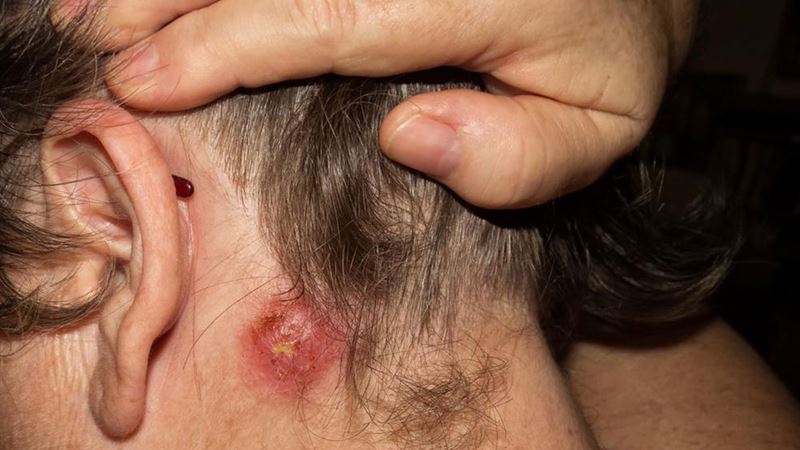
One of the initial indicators of a staph infection includes the appearance of a fever accompanied by skin rashes. These symptoms are often the body's response to an infection but can also resemble other skin conditions. Therefore, accurate diagnosis by a healthcare professional is essential to ensure proper treatment. Early detection can significantly reduce the severity of the infection and prevent further complications.
In cases where you experience difficulty breathing or chest discomfort, these could be signs that the staph bacteria have entered your bloodstream, leading to a more severe condition known as bacteremia or sepsis. Immediate medical intervention is vital in such situations to prevent life-threatening outcomes. Prompt treatment with antibiotics and supportive care can halt the progression of the infection and safeguard your health.
Noticing painful boils, skin rashes with pus, or skin lesions is often indicative of a staph infection. Swelling around the affected area, along with persistent pain, fever, chills, and lower blood pressure, may also suggest systemic involvement. These symptoms warrant immediate medical attention to prevent the infection from spreading deeper into the body tissues or into the bloodstream.
Staph infections typically begin on the skin but can escalate to involve bones or internal organs if left untreated. The first visible signs usually appear as infected skin patches—red, swollen, and tender areas often associated with infections like boils or abscesses. Recognizing these signs early can be lifesaving, especially for vulnerable populations like the elderly or immunocompromised individuals.
A crusty, weeping rash is another common manifestation of a staph infection. Such rashes are often accompanied by oozing fluid or pus. Several other skin conditions result from staph bacteria, including impetigo, cellulitis, boils, and staphylococcal scalded skin syndrome. These conditions have distinctive features but all require prompt medical attention to prevent complications.
Impetigo is a contagious skin infection characterized by painful, large blisters that may ooze fluid or pus. It is most common among children but can affect individuals of all ages. Cellulitis involves inflammation of the deeper skin layers and soft tissues, presenting as redness, swelling, and tenderness. It most frequently affects the legs but can occur anywhere on the body.
Addressing any of these signs promptly with medical consultation is the best course of action. Proper diagnosis and treatment can help eliminate the infection, reduce discomfort, and prevent serious health problems.