
Essential Safety Guidelines for Using a Stair Lift with Confidence
Learn comprehensive safety practices for using stair lifts effectively. From proper installation, correct usage, to maintenance routines, this guide ensures safe and reliable operation for users with mobility challenges. Follow these essential tips to prevent accidents, prolong the device’s lifespan, and enjoy greater independence at home or public spaces.
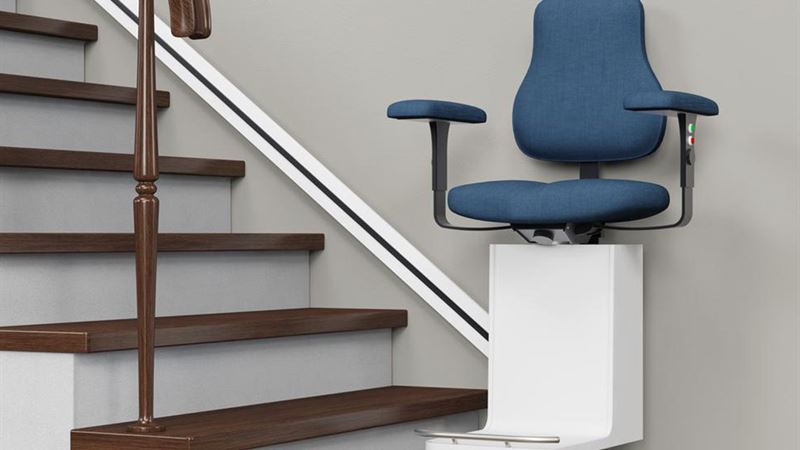
Ensuring safety while operating a stair lift is paramount for users' peace of mind and well-being. The best design and proper usage practices significantly enhance safety and efficiency. Always adhere to the manufacturer’s guidelines for safe operation to prevent accidents and prolong the lifespan of your device. Proper care, regular maintenance, and cautious handling contribute to a safer environment. Additionally, understanding user precautions reduces risks associated with accidents, especially for individuals with limited mobility or those dependent on transportation devices like stair lifts. This comprehensive guide provides detailed safety protocols to optimize your stair lift experience safely and effectively.
Design and Installation Considerations
Choosing the right stair lift model is critical. Opt for a device that matches your home's architecture and your specific mobility needs. Proper installation by trained professionals ensures stability and smooth operation. An improperly installed stair lift not only reduces its lifespan but also poses safety hazards. Regular inspections and maintenance checks are necessary to verify that all components are functioning correctly and securely.
Safety Tips for Using a Stair Lift
Regular Maintenance and Servicing
Adhering to scheduled maintenance is essential to keep your stair lift performing reliably. Consult your user manual for recommended service intervals and tasks. Routine inspections often involve checking the rails, batteries, safety sensors, and electrical connections. Professional servicing ensures that any potential issues are identified and resolved early, preventing costly repairs and ensuring ongoing safety.
Handling Discomfort and Troubleshooting
If you experience discomfort or difficulty during operation, practice using the stair lift in the presence of a caregiver or family member. Familiarity with its functions can help build confidence and identify any operational issues. If the lift exhibits any abnormal behavior, such as jerky movement, difficulty in starting or stopping, or loose parts, cease use immediately and contact customer support or a qualified technician for repairs.
Enhancing User Experience and Safety
Comfort and safety are interconnected. Ensure that the seat and armrests are secure and free of cracks or damage. Adjust the seat and safety belts to fit comfortably but securely. Keep the environment around the lift well-lit to prevent missteps. Regularly review safety protocols with all potential users, especially elderly family members, to promote safe and confident use.
In summary, operating a stair lift safely involves proper design selection, adherence to usage guidelines, routine maintenance, and attentive handling of the device. Staying informed and cautious can significantly decrease risks and allow for comfortable mobility assistance at home or in public spaces. With the right precautions, stair lifts provide a reliable and safe mobility solution for those with difficulty navigating stairs, significantly improving independence and quality of life.
Design and Installation Considerations
Choosing the right stair lift model is critical. Opt for a device that matches your home's architecture and your specific mobility needs. Proper installation by trained professionals ensures stability and smooth operation. An improperly installed stair lift not only reduces its lifespan but also poses safety hazards. Regular inspections and maintenance checks are necessary to verify that all components are functioning correctly and securely.
Safety Tips for Using a Stair Lift
- Follow the manufacturer's instructions meticulously for operation and safety.
- Avoid allowing children and pets to use the stair lift for play. Keep the area clear of any obstacles or objects that might cause accidents or interfere with the lift's movement.
- Refrain from using the stair lift when other people are on the stairs, especially children, to prevent accidental injuries.
- Do not transport heavy or bulky items on the lift. Its weight capacity is meant for one person at a time. For wheelchair users, consider a platform-style lift specifically designed for larger loads.
- Prevent contact with liquids, as spills can damage the electric components. Do not carry beverages while on the lift unless they are secured in leak-proof containers. If a spill occurs, contact the manufacturer immediately for guidance on cleaning and damage control.
- Inspect the lift regularly for signs of wear such as cracks, loose parts, or unusual noises. Do not operate the lift if any damage or malfunction is detected until repaired by qualified technicians.
Regular Maintenance and Servicing
Adhering to scheduled maintenance is essential to keep your stair lift performing reliably. Consult your user manual for recommended service intervals and tasks. Routine inspections often involve checking the rails, batteries, safety sensors, and electrical connections. Professional servicing ensures that any potential issues are identified and resolved early, preventing costly repairs and ensuring ongoing safety.
Handling Discomfort and Troubleshooting
If you experience discomfort or difficulty during operation, practice using the stair lift in the presence of a caregiver or family member. Familiarity with its functions can help build confidence and identify any operational issues. If the lift exhibits any abnormal behavior, such as jerky movement, difficulty in starting or stopping, or loose parts, cease use immediately and contact customer support or a qualified technician for repairs.
Enhancing User Experience and Safety
Comfort and safety are interconnected. Ensure that the seat and armrests are secure and free of cracks or damage. Adjust the seat and safety belts to fit comfortably but securely. Keep the environment around the lift well-lit to prevent missteps. Regularly review safety protocols with all potential users, especially elderly family members, to promote safe and confident use.
In summary, operating a stair lift safely involves proper design selection, adherence to usage guidelines, routine maintenance, and attentive handling of the device. Staying informed and cautious can significantly decrease risks and allow for comfortable mobility assistance at home or in public spaces. With the right precautions, stair lifts provide a reliable and safe mobility solution for those with difficulty navigating stairs, significantly improving independence and quality of life.