
Comprehensive Guide to Fencing Types, Materials, and Pricing Strategies
Explore an in-depth guide to fencing options, materials, and cost factors to help you choose the best fencing solution for your property. Learn about various fences, their prices, and what influences the overall expense, including materials, property size, and terrain considerations. Whether you want privacy, security, or decorative appeal, this comprehensive article provides valuable insights to make informed fencing decisions that suit your budget and style.
Introduction to Various Fencing Options and Their Prices
- Pressure-treated wood privacy fences typically range from $13 to $18 per linear foot. They offer durability and affordability, making them a popular option for homeowners seeking privacy without breaking the bank.
- Cedar wood privacy fences are priced between $15 and $26 per linear foot. Known for their natural beauty and resistance to decay, cedar fences add aesthetic appeal along with privacy.
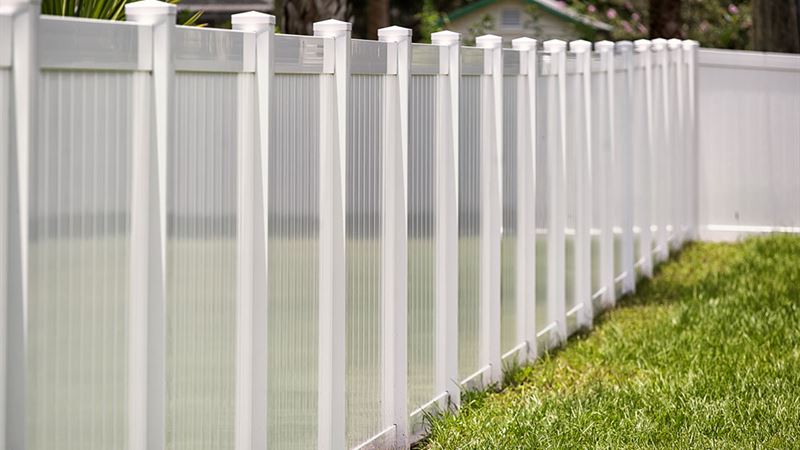
- Vinyl privacy fences cost approximately $19 to $22 per linear foot. They are favored for their low maintenance, weather resistance, and long-lasting quality.
- Composite privacy fences generally fall within $24 to $32 per linear foot. These fences combine materials for a durable, low-maintenance solution that mimics the look of wood.
Understanding Popular Types of Fences
- Wood Fences: Staying a favorite among homeowners, wood fences provide versatility in design and style. For a standard 164-foot span, costs typically range from $2,800 to $4,300, depending on the type of wood and design preferences. Choices include shadow box, lattice, picket, post-and-rail, and trellis styles. Wood fences can be customized in height, color, and pattern, offering both privacy and aesthetic appeal.
- Composite Fences: A modern alternative to traditional wood, composite fencing is celebrated for its minimal upkeep. It doesn't require frequent painting or sealing and comes in a wide variety of colors to suit different decorative themes. The cost is around $24 to $37 per linear foot, translating to about $2,400 to $5,000 for a 164-foot installation, depending on customization.
- Glass Fences: Ideal for showcasing pools or scenic landscapes, glass fencing emphasizes transparency and elegance. It’s among the pricier options, with costs averaging between $72 and $130 per linear foot, making it suitable primarily for luxury properties or decorative purposes.
- Vinyl Fences: Known for durability and ease of maintenance, vinyl fencing is available in numerous colors and styles, with costs averaging around $19 to $24 per linear foot. Its resistance to weathering and pests makes it a cost-effective choice over time.
- Metal Fences (Aluminum): Aluminium fences are lightweight, corrosion-resistant, and simple to install. They are especially popular for commercial and institutional settings, costing about $22 to $32 per linear foot, and providing a stylish, sturdy barrier.
Key Factors Influencing Fence Pricing
- Material Costs: The primary expense for fencing projects, material costs vary based on the type of material chosen, the quality of the products, and the style. Heavier or more durable materials typically command higher prices.
- Property Dimensions: Larger properties require more fencing material, increasing overall costs. Precise measurements of the perimeter are necessary before requesting estimates from professionals.
- Height of the Fence: Most residential fences are around 6 feet tall, but customization is common. Taller fences, such as 8 feet, usually cost 25-35% more, whereas shorter fences like 4 feet can cost less by a similar margin.
- Installation Fees: Labor costs vary depending on fence complexity, terrain, and local rates. Challenges like removing old fencing, clearing land, or working on uneven terrain can lead to higher installation expenses.
- Fence Gates: Installing gates is essential for access. The price depends on the gate type and material, ranging roughly from $170 to $1,200. Basic gates are economical, but premium designs with automation features cost more.
- Topography and Terrain: Properties with uneven or sloped land may require additional work, such as grading or specialized fencing techniques, raising overall costs.
- Permits and Regulations: Some municipalities require permits for fencing projects, typically costing between $20 and $400. Local compliance ensures legal and safe installation.
- Location and Cost of Living: Urban areas or regions with high living costs tend to have higher prices for materials and labor compared to rural or suburban settings.
When planning a fencing project, consider these factors carefully to estimate your budget accurately. Using online fencing cost calculators can simplify this process, allowing homeowners to measure precisely or get estimates from local suppliers and contractors. Consulting with professionals ensures efficient, safe, and high-quality fence installation.
By understanding the available fencing options, their costs, and influencing factors, homeowners can make informed decisions that enhance security, privacy, and aesthetic appeal of their properties. Whether choosing wood, vinyl, composite, or metal, assessing your specific needs, budget, and property features is key to selecting the right fencing solution for your home or business.