
Comprehensive Guide to Metal Roofing: Advantages, Types, and Pricing Insights
Explore the comprehensive benefits, various types, and cost considerations of metal roofing. Discover why metal roofs are a popular, durable, and eco-friendly choice for residential and commercial buildings. Learn about different materials like aluminum, copper, steel, and zinc, along with their price ranges and installation insights to make informed decisions for your roofing project.
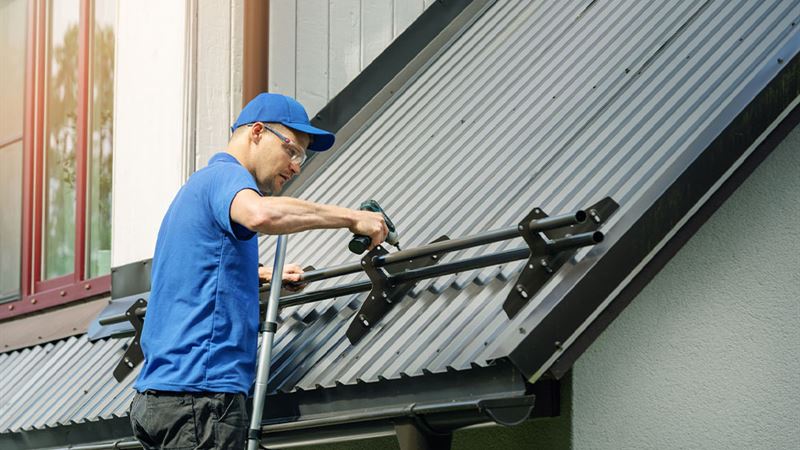
When considering durable and efficient roofing options, metal roofing stands out as a top choice among homeowners and builders alike. While traditional wooden roofs have been favored historically, they fall short in areas like fire resistance and longevity. Tile roofs, though fireproof, come with their own set of drawbacks, such as weight and susceptibility to damage during seismic events or fire outbreaks.
In this comprehensive guide, we will explore the myriad benefits of metal roofing, delve into various types of metal roofing materials, analyze the associated costs, and highlight why metal roofs are becoming increasingly popular in residential and commercial construction.
Advantages of Choosing Metal Roofing
- Enhanced Energy Efficiency: Metal roofs are engineered to reflect solar radiant heat, which can significantly decrease cooling costs during hot summer months. By incorporating reflective coatings and thermal breaks, metal roofing can reduce summer energy consumption by up to 20%, leading to noticeable savings on utility bills.
- Eco-Friendly and Sustainable: A key aspect of modern roofing choices, metal roofs are highly environmentally conscious. Typically, between 35% and 95% of the materials used in manufacturing high-quality metal roofing systems are recycled content. Furthermore, at end-of-life, these roofs are fully recyclable, reducing waste in landfills and promoting sustainable building practices.
- Lightweight Yet Robust: One of the most significant benefits of metal roofing is its lightweight nature. Compared to traditional shingles or tiles, metal sheets are considerably lighter, reducing the structural load on buildings. This is especially beneficial in seismic zones, where reducing weight can mitigate potential structural damage and enhance safety. Additionally, their durability ensures longevity without excessive maintenance.
- Exceptional Wind Resistance: Manufactured with interlocking panels and secure fastening systems, metal roofs provide superior resistance against high winds. Properly installed, they can withstand hurricane-force gusts, preventing leaks and damage. This resilience minimizes ongoing maintenance costs and ensures roof integrity during extreme weather conditions.
- Superior Fire Resistance: Unlike wooden or shingle roofs, metal roofing is non-combustible. It effectively repels flying embers and sparks, providing essential fire protection, which is especially vital in wildfire-prone regions. This safety feature can protect both property and lives, giving homeowners peace of mind.
Understanding the Cost of Metal Roofing
Pricing for metal roofing varies widely depending on the material, design, and installation complexity. For an average American home with a roof measuring approximately 1,700 square feet, the following overview provides a detailed comparative analysis of popular metal roofing materials and their associated costs.
- Aluminum Shingles: Known for its affordability and corrosion resistance, aluminum roofing shingles typically cost between $3.15 and $6.00 per square foot. The total installation costs usually range from $9,000 to $16,500, making it one of the most budget-friendly options, especially for larger projects.
- Copper Tiles: Recognized for their aesthetic appeal and durability, copper roofing is among the most expensive options. Costs fall between $14 and $25 per square foot, translating to a total expense of approximately $23,800 to $42,500 for a standard 1,700-square-foot roof.
- Standing Seam Panels: These panels, available in aluminum, steel, copper, and zinc, come with a flat, sleek appearance and excellent weather resistance. The price ranges from $4 to $6.50 per square foot, totaling roughly $17,000 to $30,000 including installation. Choice of metal impacts the overall expense, with copper and zinc being on the higher end.
- Corrugated Metal Sheets: Generally made from galvanized steel or Galvalume, corrugated metal panels are among the most cost-effective solutions. Material costs span from just $1 to $2.50 per square foot, with total installation costs for a 1,700-square-foot roof falling between $9,350 and $19,500.
- Steel Shingles: Galvanized steel shingles have a typical price point of $3.35 to $4.25 per square foot. Including installation, the total cost ranges from $17,000 to $25,000, with higher-end steel options increasing overall expenses.
- Tin Panels: Tin roofing panels cost approximately $3.50 to $14 per square foot, depending on quality and design. Total project costs for a standard-sized roof are estimated between $17,000 and $31,450.
- Zinc Panels: Zinc roofing, known for its longevity and unique appearance, averages $6 to $10 per square foot, with total installation costs ranging from $30,400 to $47,600, factoring in labor charges.
Whether you're seeking a cost-effective yet durable roofing solution or a high-end aesthetic, metal roofing offers diverse options tailored to various budgets and needs. Its long-term benefits often outweigh the initial investment, providing homeowners with a reliable, energy-efficient, and environmentally sustainable roof.