
Comprehensive Guide to Different Treatment Strategies for Mouth Cancer by Stage
This comprehensive guide details treatment options for mouth cancer based on its stage, emphasizing early detection, surgical, radiation, and combined therapies. It highlights personalized care and lifestyle factors like smoking cessation to improve prognosis and reduce recurrence risks.
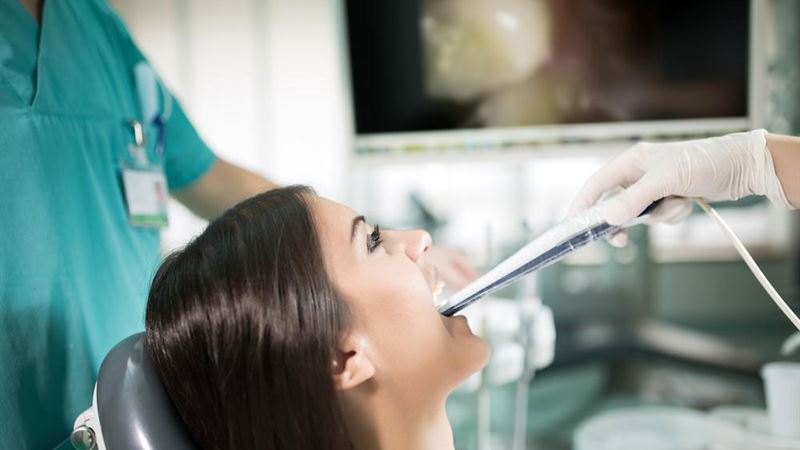
Understanding the various treatment options available for mouth cancer is crucial, as the approach largely depends on the cancer stage and its location within the oral cavity. Early detection significantly improves prognosis, while advanced stages require more aggressive interventions. This comprehensive guide explores the main treatment modalities, including surgical procedures, radiation therapy, chemotherapy, and emerging targeted therapies, tailored to specific cancer stages. It emphasizes the importance of personalized treatment planning, regular follow-up, and lifestyle modifications, such as smoking cessation, to improve outcomes and reduce the risk of recurrence.
In the initial stages, when the tumor is limited and localized, treatment options are often minimally invasive and highly effective. Surgical excision or targeted radiation therapy typically suffices to remove or destroy the cancer cells. Surgical procedures involve removing the tumor along with a margin of healthy tissue to ensure complete removal. Follow-up scans and examinations are essential to monitor for any signs of recurrence. In some cases, adjunctive radiotherapy may be recommended to eradicate remaining microscopic disease, ensuring optimal management.
For carcinoma in situ, where the tumor is confined to the surface layer of tissue, conservative treatments such as localized radiation or minimally invasive surgery are usually effective. These therapies aim to preserve as much functionality and appearance as possible while effectively treating the cancer. Post-treatment monitoring is vital for early detection of any recurrence, which may necessitate additional interventions.
For carcinoma in situ, where the tumor is confined to the surface layer of tissue, conservative treatments such as localized radiation or minimally invasive surgery are usually effective. These therapies aim to preserve as much functionality and appearance as possible while effectively treating the cancer. Post-treatment monitoring is vital for early detection of any recurrence, which may necessitate additional interventions.
As the disease progresses to later stages, the treatment approach becomes more complex. Stage III and IVA cancers involve larger tumors that have spread to nearby lymph nodes or adjacent tissues. These cases require a multimodal approach combining surgery, radiation, and sometimes chemotherapy. Surgical removal at this stage often includes excision of the primary tumor along with removal of affected lymph nodes in the neck, known as neck dissection. This aims to reduce the risk of metastasis and improve survival chances.
Radiation therapy is employed both before and after surgery. Preoperative radiation can help shrink tumors, making surgery less invasive, while postoperative radiation targets residual microscopic disease. Chemotherapy may be added to improve outcomes, particularly in cases where there's extensive lymph node involvement or distant spread.
Treatment plans are customized based on multiple factors, including tumor size, location, patient health status, and personal preferences. Side effects such as difficulties swallowing, speech impairments, and aesthetic concerns are carefully considered and managed throughout therapy.
Radiation therapy is employed both before and after surgery. Preoperative radiation can help shrink tumors, making surgery less invasive, while postoperative radiation targets residual microscopic disease. Chemotherapy may be added to improve outcomes, particularly in cases where there's extensive lymph node involvement or distant spread.
Treatment plans are customized based on multiple factors, including tumor size, location, patient health status, and personal preferences. Side effects such as difficulties swallowing, speech impairments, and aesthetic concerns are carefully considered and managed throughout therapy.
Detection at an early stage remains our best weapon against mouth cancer. Regular dental check-ups and prompt medical attention for any suspicious oral lesions are vital. Early diagnosis enables less invasive treatments with better prognosis, minimizing long-term functional and cosmetic impacts.
Advances in innovative treatments such as targeted therapy, immunotherapy, and advanced radiation techniques offer new hope for patients. These emerging modalities aim to enhance efficacy while reducing side effects. Lifestyle factors, especially smoking and alcohol consumption, significantly influence prognosis and recurrence risk. Quitting tobacco use and adopting healthy habits are integral to treatment success and long-term health.
In summary, managing mouth cancer effectively requires an early diagnosis, a personalized treatment approach, and ongoing follow-up care. Patients should collaborate closely with their healthcare team to determine the most appropriate strategy tailored to their specific condition, ensuring the best possible outcome and quality of life.
Advances in innovative treatments such as targeted therapy, immunotherapy, and advanced radiation techniques offer new hope for patients. These emerging modalities aim to enhance efficacy while reducing side effects. Lifestyle factors, especially smoking and alcohol consumption, significantly influence prognosis and recurrence risk. Quitting tobacco use and adopting healthy habits are integral to treatment success and long-term health.
In summary, managing mouth cancer effectively requires an early diagnosis, a personalized treatment approach, and ongoing follow-up care. Patients should collaborate closely with their healthcare team to determine the most appropriate strategy tailored to their specific condition, ensuring the best possible outcome and quality of life.