
Comprehensive Guide to Effective Treatments for Varicose Veins
Explore comprehensive treatment options for varicose veins, including lifestyle changes, minimally invasive procedures, and surgical techniques. Learn about their effectiveness, benefits, and recovery to find the best solution for your vein health and overall well-being.
Lifestyle Modifications as the First Line of Defense
- Adjusting Daily Activities
Simple lifestyle modifications can significantly reduce the symptoms and progression of varicose veins. Patients should avoid prolonged standing or sitting, which increases venous pressure, and incorporate regular movement into their routines. Implementing frequent breaks, walking, and posture changes are crucial in alleviating symptoms and preventing worsening of the condition. Maintaining an optimal weight is also vital, as excess weight exerts additional pressure on leg veins, aggravating the problem.
Physical Activity and Specific Exercises
- Engaging in low-impact exercises like walking, swimming, or cycling can promote healthy blood circulation. Leg-specific exercises, such as ankle rotations, calf raises, and leg lifts, strengthen the muscles that facilitate venous return, thus reducing venous pressure. Regular activity not only alleviates symptoms but also prevents new varicose veins from forming.
Leg Elevation and Compression Therapy
- Elevating the legs above heart level for 15–30 minutes several times a day helps facilitate blood flow back to the heart. Compression stockings or sleeves exert graduated pressure, supporting venous valves and improving circulation. These are especially effective in managing swelling and discomfort, and are often recommended as part of ongoing conservative treatment.
Medical Management Using Medications
- Anti-inflammatory drugs and pain relievers can provide symptomatic relief in acute phases. Blood-thinning medications may be prescribed to prevent thrombosis in severe cases, but these require careful medical supervision due to potential side effects. Medication alone does not eliminate varicose veins but can complement other treatments.
Surgical and Minimally Invasive Procedures
- The development of minimally invasive techniques has revolutionized varicose vein treatment, offering effective options with shorter recovery times.
Vein Stripping and Surgical Removal
- One of the oldest and most well-known procedures, vein stripping involves surgically removing the affected superficial veins. This method is generally reserved for severe cases where other treatments are ineffective. Although effective initially, recurrence rates can be as high as 60%, as other veins may develop varicosities later. The procedure involves making incisions along the vein, threading a fiber or wire to disconnect the vein, and then extracting it.
Ambulatory Phlebectomy
- This minimally invasive technique involves making tiny incisions over the affected veins, then removing the varicose segments with a small hook. Unlike vein stripping, it preserves most of the vein and minimizes scarring. It is effective for surface veins with larger, visible varicosities and is typically performed under local anesthesia.
Chemical Closure via Sclerotherapy
- Sclerotherapy involves injecting a chemical sclerosant into affected veins, causing irritation of the vessel lining and eventual closure. This treatment is suitable for small to medium-sized veins and can be performed within minutes. Foam sclerotherapy, which uses a foam form of the sclerosant, is especially effective for larger veins. After the procedure, compression stockings are worn to maintain closure and prevent blood flow back into the treated vein.
Vein Ligation and Tying
- Vein ligation involves tying off the problematic veins at their source, preventing blood flow through them. Often paired with vein stripping, this method effectively reduces symptoms related to these veins. It can be performed through small incisions, minimizing scarring.
Cryosurgery
- This innovative technique involves injecting veins with cold gases like nitrogen dioxide or carbon dioxide, causing the veins to freeze and necrose. Small incisions are made, and the frozen veins are later removed. Cryosurgery reduces trauma to surrounding tissues and offers a less invasive alternative to traditional surgery. Potential side effects include localized cold injury, which requires careful application.
Laser-Based Treatments
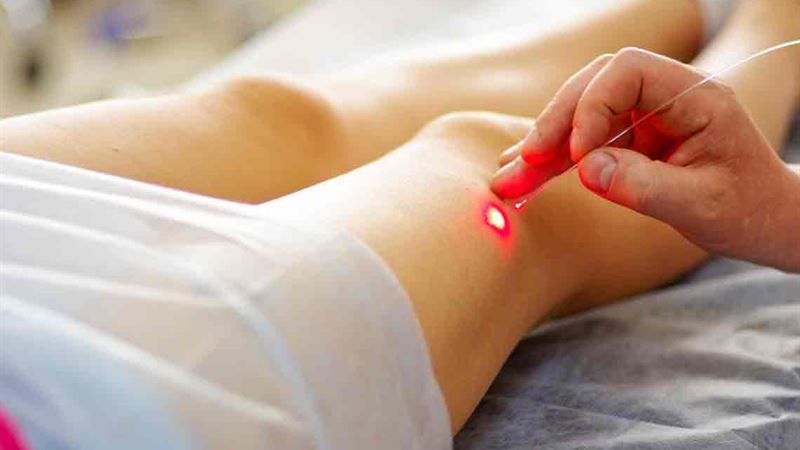
- Laser therapy uses targeted laser energy to vaporize or close off superficial varicose veins. Endovenous laser treatment (EVLT) involves inserting a thin catheter into the affected vein, then passing a laser fiber through it. As the fiber heats the vein walls, they collapse and seal shut. EVLT is highly effective for larger veins that are not suitable for surface treatments and boasts minimal discomfort and rapid recovery. For small, surface varicosities, external laser ablation can be performed without incisions or injections.
Emerging Techniques and Alternative Methods
- Advances continue in the field of vein treatment, including foam sclerotherapy, cryoablation, and other minimally invasive techniques. Researchers are exploring better sclerosants and laser technologies to improve safety, efficacy, and patient comfort. Each method is selected based on specific individual needs, vein size, location, and overall health status.
In conclusion, the treatment landscape for varicose veins is extensive and continuously evolving. Patients should consult vascular specialists or phlebologists to determine the most appropriate approach tailored to their condition. Early intervention and comprehensive management can significantly improve symptoms, prevent complications, and restore leg aesthetics and function.