
Essential Tree Maintenance Strategies for Enthusiastic Gardeners
Learn essential tree care techniques for garden enthusiasts, including selecting the right trees, proper site placement, using effective tools, and safe pruning practices. This comprehensive guide ensures your trees grow healthily, safely, and beautifully, enhancing your outdoor space for years to come.
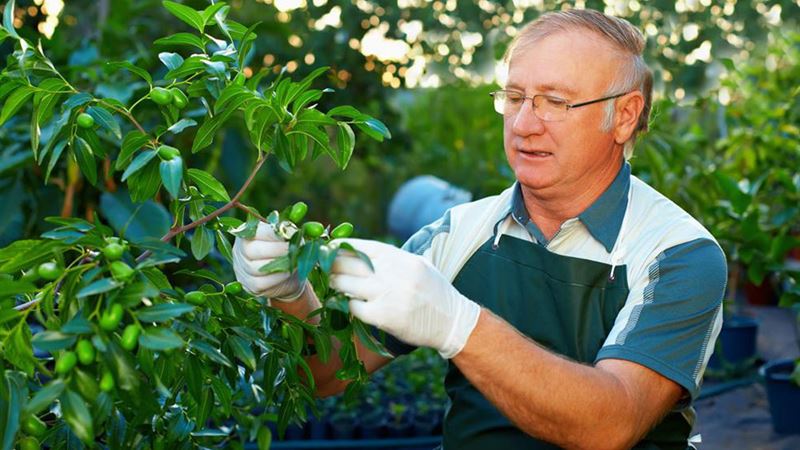
Selecting the Appropriate Trees for Your Garden
Before planting trees, it's vital to consider your objectives and the specific conditions of your site. Are you seeking increased privacy, shade, or aesthetic appeal? Do you want trees that can be a focal point or serve a functional purpose, such as fruit production? Understanding these goals will guide your selection process. Think about the mature size of the species, root systems, and growth habits to avoid future conflicts with structures, power lines, or neighboring properties. For example, fast-growing varieties may offer quick benefits but require more maintenance, while slow-growing trees might be more suitable for long-term planning. Also, consider the shape—whether you prefer a vertical form, spreading canopy, or ornamental form—to fit your landscape design.
Choosing the Ideal Location
The site for planting should offer proper sunlight, good drainage, and enough space for growth. Avoid planting near underground cables or utility lines, and ensure there’s sufficient clearance from buildings, fences, and walkways. Proper placement not only contributes to the health of your trees but also minimizes future pruning requirements and safety risks.
- Chainsaw: Available in gas, electric, or cordless models, chainsaws help with larger cuts, removing big branches or shaping trees. Choose a model suited for your needs—lighter electric models are perfect for small-to-medium branches, while gas-powered chainsaws excel in larger tasks. Always prioritize safety features and learn proper handling techniques.
- Pruning Shears: Ideal for trimming small twigs and delicate branches, pruning shears help with shaping and maintaining the tree’s health without causing unnecessary stress.
- Loppers: These extend your reach and provide extra leverage for cutting thicker branches that can't be handled by pruning shears. With long handles and sharp blades, loppers are invaluable for shaping and clearing out overgrown areas.
Pruning and Shaping Techniques for Tree Health
Regular pruning encourages robust growth, maintains a pleasing aesthetic, and reduces hazards caused by falling branches. When pruning, focus on removing dead, diseased, or crossing branches, and aim for a balanced, symmetrical canopy. Proper techniques include making clean cuts at the branch collar to prevent damage and disease entry. Depending on the species, specific pruning seasons and methods may vary—consult local arboriculture guidelines for best practices.
Shaping young trees can promote a healthy branch structure, reducing the risk of future breakage. For mature trees, selective pruning helps improve air circulation and sunlight penetration, which are vital for overall health and fruit production. Avoid over-pruning, which can stress the tree and invite pests or diseases.