
Comprehensive Guide to Maple Trees: Pruning Techniques, Benefits, and Fascinating Facts
Explore the comprehensive guide to maple trees, including effective pruning practices, numerous benefits such as sap harvesting for syrup, and fascinating facts about their lifespan and uses. Learn how to care for these majestic trees to enhance their health and beauty, and discover interesting insights into their natural history. Perfect for gardeners, forestry enthusiasts, and anyone interested in botanical wonders, this article provides detailed insights to deepen your understanding of maple trees and maximize their value in your landscape.
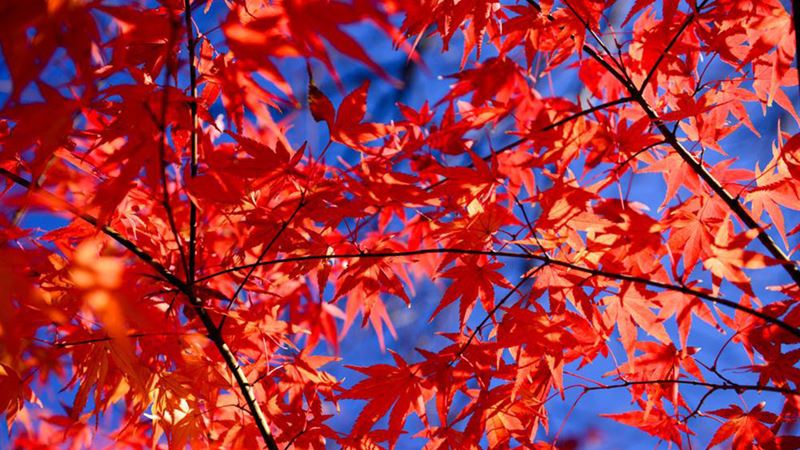
Maple trees are among the most admired trees in many temperate regions thanks to their stunning foliage, sweet sap, and versatile wood. If you're a gardening enthusiast or simply someone interested in botany, understanding how to properly care for these trees can significantly enhance their health and productivity. Proper pruning, awareness of the benefits, and intriguing facts about maples not only help in maximizing their aesthetic appeal but also in extracting valuable resources like maple syrup. This detailed guide aims to equip you with all the essential knowledge about maple trees, from pruning methods to their numerous advantages, and some fascinating tidbits about these majestic plants.
Essential Tools for Maple Tree Care
Maintaining healthy maple trees begins with appropriate tools. Whether you're trimming young saplings or mature giants, having the right equipment makes all the difference. Garden pruning shears, loppers, and pruning saws are vital tools that should always be in top condition. It is crucial to keep your pruning tools clean and sharp to ensure clean cuts that promote rapid healing and minimize disease entry points. After each use, thoroughly disinfect tools to prevent cross-contamination of plant pathogens. Properly maintained tools also make trimming safer and more efficient, enabling you to shape and manage your trees effectively.
Maintaining healthy maple trees begins with appropriate tools. Whether you're trimming young saplings or mature giants, having the right equipment makes all the difference. Garden pruning shears, loppers, and pruning saws are vital tools that should always be in top condition. It is crucial to keep your pruning tools clean and sharp to ensure clean cuts that promote rapid healing and minimize disease entry points. After each use, thoroughly disinfect tools to prevent cross-contamination of plant pathogens. Properly maintained tools also make trimming safer and more efficient, enabling you to shape and manage your trees effectively.
Advantages of Caring for Maple Trees
There are numerous benefits linked to the cultivation and maintenance of maple trees. One of the most valuable products derived from maples is their sap, which is the foundation for producing high-quality maple syrup—a sweet, antioxidant-rich natural sweetener. Maple syrup contains essential minerals such as zinc, manganese, potassium, and calcium, making it a healthier alternative to processed sugars and artificial sweeteners. Beyond their sap, maple trees also offer stunning fall foliage that enhances landscape aesthetics significantly. Moreover, their wood is highly prized for making furniture, flooring, and musical instruments like baseball bats. Maple wood's durability and attractive grain make it a favorite among woodworkers.
There are numerous benefits linked to the cultivation and maintenance of maple trees. One of the most valuable products derived from maples is their sap, which is the foundation for producing high-quality maple syrup—a sweet, antioxidant-rich natural sweetener. Maple syrup contains essential minerals such as zinc, manganese, potassium, and calcium, making it a healthier alternative to processed sugars and artificial sweeteners. Beyond their sap, maple trees also offer stunning fall foliage that enhances landscape aesthetics significantly. Moreover, their wood is highly prized for making furniture, flooring, and musical instruments like baseball bats. Maple wood's durability and attractive grain make it a favorite among woodworkers.
Interesting Facts About Maple Trees
Maple trees are truly remarkable in many ways. The most common species used for syrup production include sugar, black, and red maples. These trees can live for over two centuries, with some of the oldest specimens in Canada reaching up to 500 years. Maple wood's versatility extends to its use in smoking foods, producing high-quality charcoal, and crafting various wooden products. The sap is harvested in early spring after the tree reaches about 30 years of age—before this age, sap extraction can harm the young tree. Maple syrup is produced by boiling down the sap, which is a labor-intensive process ensuring its rich flavor. Interestingly, the seeds of maple trees are winged, allowing them to spin as they fall, aiding in seed dispersal.
Maple trees are truly remarkable in many ways. The most common species used for syrup production include sugar, black, and red maples. These trees can live for over two centuries, with some of the oldest specimens in Canada reaching up to 500 years. Maple wood's versatility extends to its use in smoking foods, producing high-quality charcoal, and crafting various wooden products. The sap is harvested in early spring after the tree reaches about 30 years of age—before this age, sap extraction can harm the young tree. Maple syrup is produced by boiling down the sap, which is a labor-intensive process ensuring its rich flavor. Interestingly, the seeds of maple trees are winged, allowing them to spin as they fall, aiding in seed dispersal.
In addition to their practical uses, maple trees are celebrated for their ecological importance, providing habitat and food for various wildlife species. Their vibrant fall colors are a symbol of seasonal change and are enjoyed worldwide. Whether you are planting, maintaining, or simply admiring these trees, understanding their biology and care needs helps in preserving their beauty and utility for generations to come.