
Exploring Maple Trees: Pruning Techniques, Benefits, and Fascinating Facts
This comprehensive guide explores the best pruning techniques for maple trees, highlights their numerous benefits, and shares fascinating facts about their history, uses, and importance. Learn how to care for and utilize these majestic trees to improve your landscape and benefit from their natural resources effectively.
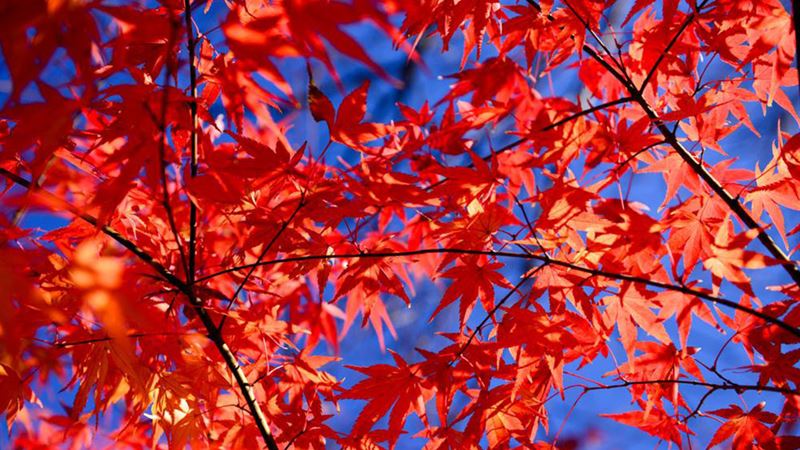
If you are a gardening enthusiast or a homeowner passionate about maintaining healthy and beautiful trees, understanding the intricacies of maple trees is essential. These majestic trees not only enhance the aesthetic appeal of any landscape but also provide numerous environmental, nutritional, and practical benefits. Proper care, especially pruning, plays a significant role in ensuring their longevity and vitality. Fortunately, obtaining the right tools and knowledge is easier than ever, thanks to the availability of gardening supplies online. Proper maintenance begins with clean, sharp pruning tools. Keeping your pruning equipment in optimal condition is crucial to prevent the spread of diseases between plants. Always clean your tools after each use and ensure the blades are sharp for precise cuts, which promote healing and reduce stress on the tree.
Pruning maple trees offers many benefits. It helps shape the tree, remove dead or diseased branches, and improve air circulation within the canopy. The health and aesthetics of maple trees greatly depend on timely and correct pruning practices. Additionally, regular pruning can stimulate better growth and increase fruit and sap production, especially when tapping for maple syrup. Understanding when and how to prune is vital. The best time for pruning is during the dormant season, typically late winter to early spring, before new growth begins. Use high-quality pruning shears or saws, designed for tree maintenance, to make clean cuts that aid in quicker healing. Never forget to sanitize your tools before switching between trees, as this simple step can prevent the transmission of harmful pathogens.
Maple trees are renowned for more than just their aesthetic value; they are vital for their economic and nutritional benefits. The sap of certain maple trees, particularly sugar, black, and red maples, contains a sweet substance known globally as maple syrup. This natural sweetener is treasured not only for its delicious flavor but also for its numerous health benefits. Maple syrup is rich in antioxidants, such as polyphenols, which protect cells from oxidative stress. It also contains essential vitamins and minerals, including zinc, manganese, potassium, and calcium, making it a healthier alternative to refined sugars and artificial sweeteners. Many people use pure maple syrup in skin care routines due to its anti-inflammatory properties; when mixed with raw milk or yogurt, it can serve as a nourishing face mask that soothes the skin.
Fascinating facts about maple trees deepen our appreciation for these natural wonders. For instance, only mature maple trees—those that are at least 30 years old—are suitable for sap extraction to produce syrup. The process of making syrup involves boiling the sap, which concentrates its sugars. Maple trees can live for over two centuries; the oldest recorded maple in Canada is approximately 500 years old, highlighting their longevity and resilience. Maple wood is highly valued in various industries: it is used to craft furniture, flooring, and musical instruments like violins and guitars. Its hard, dense properties also make it ideal for baseball bats. Interestingly, the charcoal derived from maple wood is used in the production of Tennessee whiskey, imparting unique flavors. When mature, a maple seed, or samara, drops from the tree and spins downward like a tiny helicopter, aiding in seed dispersal through wind.
Overall, understanding the significance of maple trees—from their pruning needs to their many benefits—enhances our ability to conserve and utilize these remarkable trees effectively. Whether you're interested in harvesting maple syrup, adding aesthetic value to your garden, or simply appreciating nature’s marvels, maple trees will always remain an exceptional part of our environment. Remember, proper care and knowledge are key to ensuring these trees thrive for generations to come. So, embrace the art of pruning, explore the benefits, and marvel at the fascinating facts about maple trees. These natural giants continue to enchant us with their beauty, utility, and resilience, making them a vital component of many ecosystems and landscapes worldwide.