
Understanding Tree Allergy Manifestations and Effective Management Strategies
This comprehensive guide explores tree allergy symptoms, common allergenic trees, and effective management techniques. Understanding triggers like cedar fever and implementing environmental controls can significantly reduce allergy impacts. Learn about symptoms, prevention, and treatment options for a better quality of life during allergy seasons.
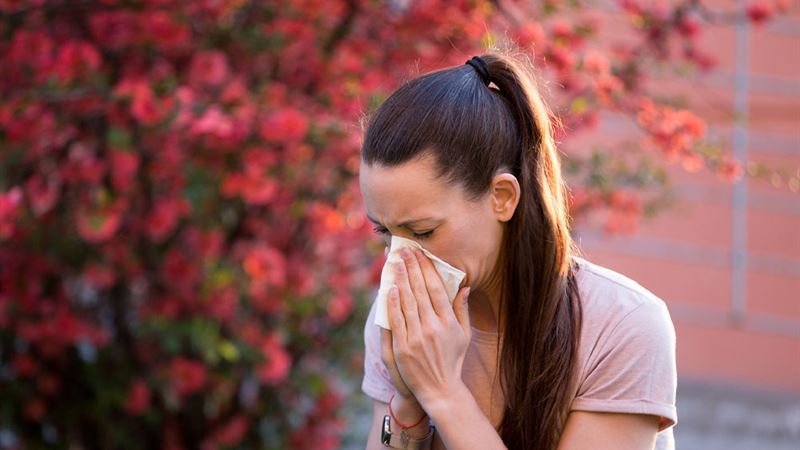
Tree pollen allergies can significantly impact daily life, especially during peak seasons when various tree species release allergens into the air. Common trees responsible for pollen allergies include birch, hickory, oak, elm, beech, ash, sycamore, cottonwood, willow, alder, juniper, cypress, ragweed, maple, walnut, olive, pine, acacia, and cedar. While cedar pollen allergy, known as cedar fever, is more region-specific, it is notably prevalent in areas like Central Texas, where cedar trees are abundant. These trees pollinate primarily from late fall to winter, typically from November to January. During this period, individuals with sensitivities can experience a range of allergic reactions triggered by airborne pollen.
Detecting and managing tree pollen allergies requires understanding specific symptoms and adopting effective strategies. Pollen levels vary with weather conditions, wind patterns, and time of day, often peaking during early mornings and windy days. Symptoms usually develop within an hour of exposure and can persist throughout the day, with severity fluctuating based on pollen concentration and individual sensitivity. It is crucial for allergic individuals to recognize early signs to prevent worsening of their condition.
Common symptoms of tree pollen allergy include a persistent runny nose, nasal congestion, sneezing, itchy sensations, watery and red eyes, swelling around the eyes, and general irritability. These symptoms can also be accompanied by fatigue, disturbed sleep, and difficulty breathing, especially in individuals with asthma. In some cases, allergenic reactions extend to oral allergy syndrome, causing itching or swelling around the mouth after consuming certain foods related to tree pollen allergens.
Runny nose, or rhinorrhea, is among the earliest and most noticeable signs. It involves a clear fluid discharge from the nose, often accompanied by frequent sneezing to clear nasal passages. Congestion results from inflammation and swelling of nasal tissues, making breathing difficult and creating a sensation of nasal blockages. Postnasal drip occurs as excess mucus drips down the back of the throat, causing irritation and cough.
Eye symptoms are also hallmark indicators. Red, watery, and swollen eyes often develop when exposed to tree pollen. The body's immune response triggers inflammation, leading to discomfort, light sensitivity, and excessive tearing. These signs are sometimes accompanied by itchy eyes, eyelid swelling, and a general feeling of tiredness.
Behavioral and mood changes are common among allergy sufferers. Persistent discomfort and fatigue may lead to irritability and mood swings, impacting daily activities and social interactions. Sleep disturbances are prevalent, as nasal congestion and coughing disrupt restful sleep, creating a cycle of exhaustion and decreased immune resilience.
Individuals with pre-existing respiratory conditions like asthma face heightened risks. Exposure to tree pollen can exacerbate asthma symptoms, causing wheezing, coughing, shortness of breath, and chest tightness. Such reactions demand prompt medical attention and tailored treatment plans to prevent severe respiratory distress.
Ceaseless exposure to airborne pollen may also trigger oral allergy syndrome, where individuals experience itchiness, swelling, or rash around the mouth, lips, and throat after consuming specific raw fruits, vegetables, or nuts associated with pollen allergies. This cross-reactivity arises because of immune system confusion between pollen proteins and certain food proteins.
While avoiding outdoor exposure during peak pollen seasons can be challenging, implementing certain management strategies significantly reduces symptoms. Consultation with healthcare professionals is highly recommended for accurate diagnosis and appropriate medication, including antihistamines, nasal sprays, and other allergy relief options. These medications help control symptoms like nasal secretion, itchiness, and swelling, making daily life more manageable.
Environmental control measures are also integral. Stay indoors during high pollen count days, particularly in the early morning hours when pollen levels tend to peak—generally between 5 am and 10 am. Keep windows and doors shut both during daytime and at night to prevent pollen ingress. Using air purifiers with HEPA filters in bedrooms and living spaces can further reduce indoor allergen levels.
When traveling or driving, ensure windows are closed and air conditioning is set to recirculate mode. This helps prevent pollen from entering the vehicle cabin. After outdoor activities, shower thoroughly, wash hair, and change clothes to eliminate pollen residues that may have settled on skin, hair, or fabric.
Limiting outdoor activities during windy days or when pollen forecasts predict high levels is advisable. Avoid hanging laundry outside during pollen season, as airborne particles settle on fabrics, which can then trigger allergic responses indoors. Maintaining a clean living environment by regularly dusting and vacuuming with HEPA filters also reduces indoor pollen accumulation.
In summary, awareness of pollination periods, diligent environmental management, and appropriate medical intervention are essential components of effective allergy management. Understanding individual sensitivity levels and preparing accordingly can significantly improve quality of life during allergy seasons. With proper precautions and treatment, individuals affected by tree pollen allergies can minimize their discomfort and enjoy their daily routines with more ease.