
Comprehensive Guide to Managing and Treating Scabies Skin Rash
This detailed guide offers insights into recognizing, diagnosing, and effectively treating scabies skin rashes. It covers symptoms, topical and oral treatment options, symptom management, and prevention tips, ensuring comprehensive understanding for effective management of this contagious skin condition.
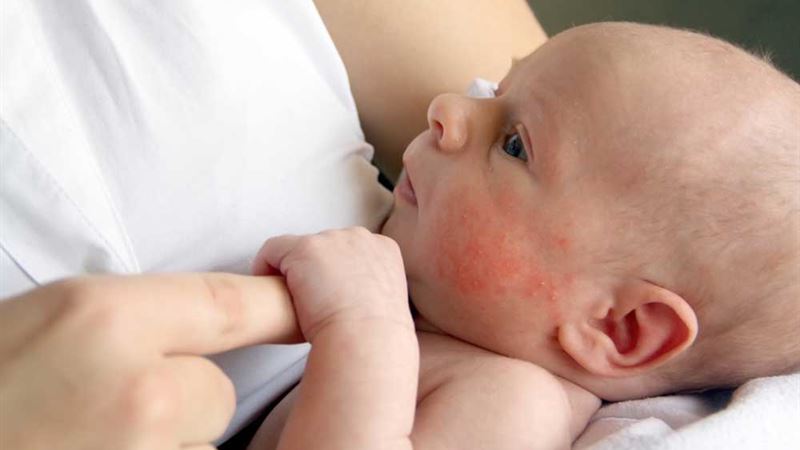
Recognizing the Signs and Symptoms of Scabies Skin Rash
- Intense itching, particularly noticeable during nighttime
- The appearance of scales, blisters, or small bumps
- Pimple-like bumps appearing on the skin
- Sores resulting from persistent scratching
Initially, scabies may resemble other common skin conditions such as mosquito bites, eczema, or acne. Proper diagnosis often depends on physical examination and sometimes microscopic analysis. It's advisable to take clear photographs of the rash in its early stages, which can assist healthcare professionals in differentiating scabies from other dermatological problems.
Effective and Proven Treatments for Scabies Skin Rash
The primary approach to treating scabies involves topical medications prescribed by healthcare providers. These typically include creams, lotions, and ointments formulated to eliminate the mites.
Most topical treatments are applied overnight, since mites are most active during the night. The application process generally involves covering the entire body from the neck down, excluding the face. The medicated product is left on for a specified period, usually several hours, then thoroughly washed off the following morning. Repeat treatments are often recommended after one week to ensure complete eradication of the mites.
In addition to topical options, oral medications are available for more persistent or severe cases of scabies. These systemic treatments are particularly used when topical applications do not achieve desired results or when infestation is extensive.
Common medications prescribed include permethrin cream, crotamiton, lindane lotion, sulfur ointments, and benzoate lotion. The choice of medication depends on the severity of the infestation, patient skin sensitivity, and doctor’s evaluation.
Furthermore, managing symptoms is an essential aspect of treatment. Your healthcare provider might recommend additional medicines to ease discomfort and prevent secondary infections, such as:
- Antibiotics to treat or prevent bacterial infections resulting from scratching
- Steroid creams to reduce inflammation and irritation
- Antihistamines like pramoxine lotion to control intense itching
Oral medications are especially indicated in cases involving:
- Widespread rash covering large parts of the body
- Crusted or Norwegian scabies, which are highly contagious and resistant to standard treatments
- Persistent symptoms despite topical therapy
Patients often wonder how quickly they can expect relief. It’s common to experience little to no visible improvement during the first week after starting treatment. However, most individuals notice a significant reduction in itching and rash by the second week. Complete recovery, characterized by the cessation of symptoms, usually occurs within a month.
If, after four weeks, your condition remains unchanged or worsens, it’s crucial to schedule a follow-up appointment. Bringing along photographs of the rash and detailed descriptions of symptoms can help your healthcare provider reevaluate the diagnosis and recommend the most effective treatment plan.
Prevention strategies include avoiding close personal contact with infected individuals, thorough cleaning of bedding and clothing, and maintaining good personal hygiene. Early diagnosis and prompt treatment are key to controlling the spread and reducing the risk of complications associated with scabies.