
Comprehensive Guide to Detecting and Preventing Scabies Skin Rash
Learn how to identify and manage scabies skin rash effectively. This detailed guide covers symptoms, treatments, and prevention strategies to help you eliminate the mites, reduce itching, and prevent future infestations. Discover essential hygiene practices, medical options, and tips to keep your skin healthy and free from contagion. Protect yourself and your loved ones with expert advice on managing this common yet contagious skin condition. Whether you're dealing with an outbreak or seeking preventive measures, this comprehensive article provides all necessary information for effective care.
Understanding Scabies and Its Clinical Manifestations
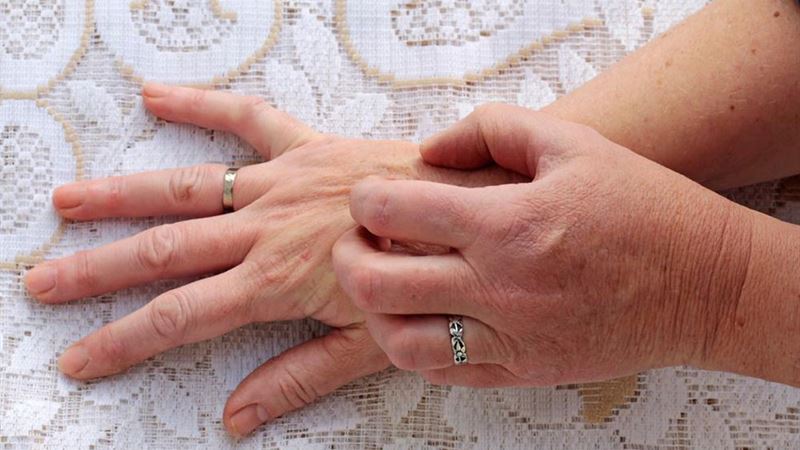
Scabies is caused by the Sarcoptes scabiei mite, which digs into the upper layer of the skin to lay eggs. This parasitic infestation results in characteristic symptoms that often start with mild itching, intensifying at night. The rash typically appears as small, red bumps or blisters, often arranged in lines or clusters. Common sites include the folds of the skin—such as between the fingers, around the wrists, elbows, underarms, waist, and genital area. In infants and young children, scabies can also affect the head, face, neck, and palms.
Early detection hinges on observing these symptoms and noting recent contact with infected individuals or crowded environments. It’s crucial to recognize the signs promptly to initiate effective treatment and limit the spread of mites within households or communities.
Effective Medical Treatments for Scabies
The cornerstone of scabies treatment involves prescribed topical medications that specifically target the mites. Unlike generic antibiotics or OTC remedies, these medications are scientifically formulated to eradicate the infestation thoroughly. It is essential to follow your healthcare provider’s instructions carefully to ensure the complete removal of mites and eggs.
Commonly prescribed treatments include permethrin 5% cream, which is applied all over the body from the neck down and left on overnight. In some cases, other medications such as lindane or crotamiton may be recommended, especially if resistance or allergy issues arise. Oral medications like ivermectin are also considered for severe or crusted scabies cases, especially when topical treatments fail or in immunocompromised individuals.
When applying medicated ointments, it is vital to ensure thorough coverage of all affected areas as well as the surrounding regions. After the prescribed duration, the cream should be washed off, and the skin should be carefully monitored for symptom resolution. If symptoms persist, consulting your healthcare provider for further evaluation and possibly additional treatment is advised.
Additional Measures to Support Recovery and Prevent Reinfestation
While medication clears the mites, supportive measures play a vital role in ensuring quick recovery and preventing re-infestation. These include environmental hygiene practices such as washing all clothing, bedding, and towels thoroughly. Since scabies mites can survive off the human body for up to four days, destroying these potential reservoirs of infestation is crucial.
Clothing, linens, and soft furnishings should be washed in hot water at a minimum temperature of 50°C (122°F). For items that cannot be washed, sealing them in plastic bags for at least 72 hours can effectively kill mites. After washing, drying the items on high heat for at least 10 minutes enhances the elimination process. Vacuuming upholstered furniture and carpets also helps to remove mites and prevent their spread.
Preventive Hygiene and Contact Avoidance Strategies
Preventing the spread of scabies involves avoiding skin-to-skin contact with infected individuals until they have completed treatment. Sharing of personal items such as clothing, bedding, and towels should be strictly avoided until cleaning is complete. Educating family members and close contacts about transmission routes helps mitigate the risk of reinfestation.
Maintaining good personal hygiene, reducing close physical contact during outbreaks, and ensuring regular cleaning of shared spaces are essential preventive practices. In communal living environments like nursing homes or dormitories, enhanced hygiene protocols and prompt treatment of affected residents are critical in controlling outbreaks.
Monitoring and Follow-up
Following treatment, close monitoring of symptoms is vital. It’s common for itching to persist for a few weeks after successful eradication, due to allergic reactions to dead mites. If new itching or rash occurs after completing treatment, seeking medical advice promptly is necessary, as retreatment or alternative therapies may be warranted. Professionals may also perform skin scrapings or diagnostic tests to confirm the presence or absence of mites.
In conclusion, effective management of scabies relies on prompt diagnosis, appropriate prescription medications, and comprehensive environmental hygiene. Combining these measures with preventive practices can significantly reduce the risk of reinfection, curb the spread within households and communities, and restore skin health efficiently. Educating oneself about the signs, symptoms, and advanced treatment options enhances proactive management and contributes to overall health safety.