
Unlocking the Therapeutic Potential of Spices and Nutrients for Gut Health
Discover natural dietary strategies to soothe and manage IBS symptoms. Learn how spices, greens, and healing foods like turmeric, garlic, bone broth, and herbal teas can promote gut health. This comprehensive guide provides science-backed tips to improve digestion and reduce inflammation naturally.
Harnessing the Anti-inflammatory Properties of Turmeric
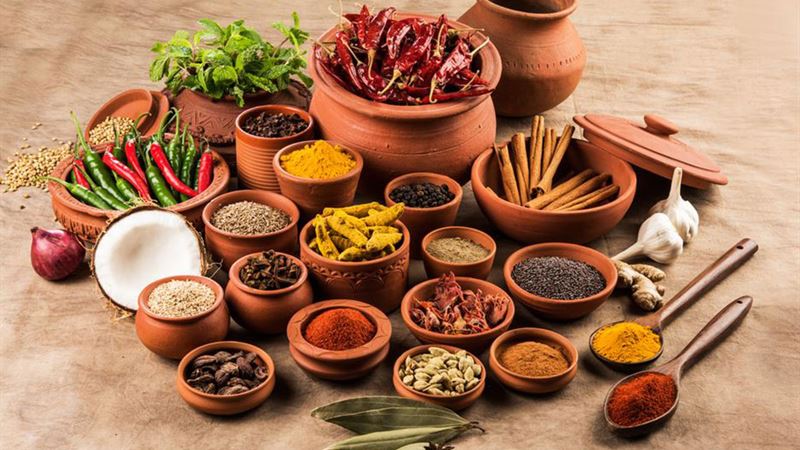
Turmeric, a vibrant yellow spice commonly used in Asian cuisines, possesses potent anti-inflammatory and antioxidant effects thanks to its active compound, curcumin. Studies indicate that curcumin can play a crucial role in reducing gastrointestinal inflammation associated with IBS. Incorporating turmeric into your daily meals—whether in curries, smoothies, or teas—can help decrease gut inflammation, improve digestion, and alleviate common IBS symptoms like bloating, cramping, and irregular bowel movements.
Incorporating Healing Foods Into Your Diet
Beyond spices, certain nutrient-dense foods contribute significantly to gut repair and overall digestive health. For example, homemade bone broth is rich in amino acids like proline and glycine, which are vital for healing the intestinal lining and restoring gut permeability—often compromised in IBS patients. Fish oil supplements, loaded with omega-3 fatty acids, have well-documented anti-inflammatory effects, reducing inflammation within the gastrointestinal tract. Regularly consuming these foods can support ongoing gut healing processes and improve quality of life for those battling IBS.
Powerful Greens and Vegetables for Gut Defense
Dark green, leafy vegetables—spinach, kale, collard greens, and Swiss chard—are packed with antioxidants, vitamins, and carotenoids that combat oxidative stress and cellular damage in the digestive system. The high fiber content in these vegetables aids healthy bowel movements and can reduce the severity of IBS symptoms if introduced gradually into your diet. Including a variety of greens ensures a broad spectrum of nutrients that bolster your body's natural defenses against gut inflammation.
Soothing Spices and Herbal Teas for Digestive Comfort
Spices like ginger, peppermint oil, slippery elm, and licorice root have long been used in traditional medicine to soothe gastrointestinal inflammation and reduce discomfort. Adding these to your teas can provide immediate relief from bloating and cramping. Black pepper complements these spices by enhancing digestion through stimulating enzyme secretion. Experimenting with herbal infusions containing these ingredients can be a delicious and effective way to promote digestive health daily.
The Inflammatory-Busting Power of Garlic
Garlic is a remarkable plant food renowned for its antimicrobial, antifungal, antiviral, and anti-inflammatory properties. It contains sulfur compounds like allicin that help combat pathogenic bacteria in the gut and reduce inflammation. Consuming raw or cooked garlic regularly can strengthen your immune defenses and support a healthy balance of gut microbiota, key factors in managing IBS symptoms.
Conclusion: Natural Strategies for Managing IBS
IBS is a complex condition with varying symptoms, but lifestyle and dietary modifications—focusing on anti-inflammatory and nutrient-rich foods—offer a promising path to relief. Avoiding trigger foods and emphasizing foods that promote healing and reduce inflammation can greatly improve digestive health. Combining these dietary strategies with a mindful approach to eating can empower individuals to effectively manage IBS and enhance their overall quality of life.