
Comprehensive Guide to Natural Solutions for Hair Loss and Thinning
Discover effective natural solutions to combat hair loss and promote healthy hair growth. This comprehensive guide covers scalp massages, nourishing oils, dietary tips, and essential oils like rosemary and lemon, offering a holistic approach to restoring your hair's vitality naturally. Learn how lifestyle changes and natural remedies can help you achieve thicker, shinier hair without harsh chemicals or invasive treatments, ensuring healthier scalp and follicles for long-term hair health.
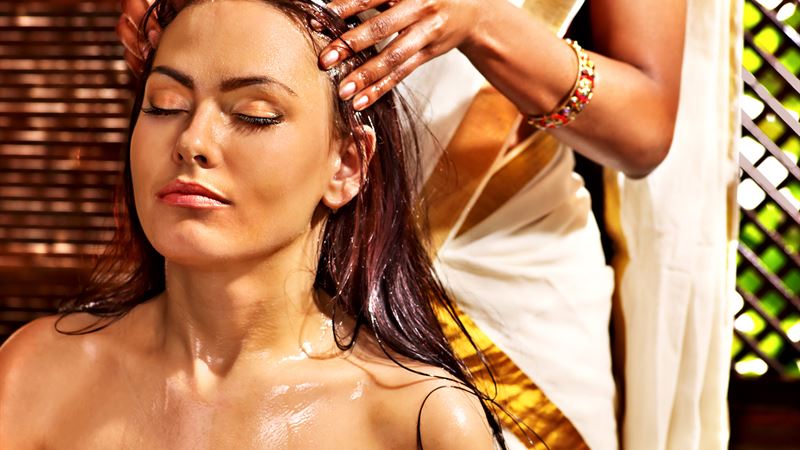
Hair loss and thinning can be distressing issues affecting many individuals, especially women who seek safe and natural remedies to restore their hair’s health and vitality. While various medical treatments are available, natural methods can be just as effective without the risk of adverse side effects. Regular scalp massages, nourishing diets, and the use of potent natural oils are some of the proven approaches to promote healthy hair growth and reduce hair fall. In this extensive guide, we explore a wide range of natural remedies, lifestyle habits, and nutritional strategies to help you regain thick, shiny hair naturally.
One of the oldest and most effective techniques to combat hair loss is scalp massage. Performing gentle massage routines on your scalp can stimulate dermal papilla cells located at the base of hair follicles. These cells play a critical role in maintaining the hair growth cycle and ensuring the formation of healthy new hair strands. Massaging increases blood circulation to the scalp, enriching hair follicles with vital nutrients and oxygen, fostering healthier hair growth.
In addition to physical stimulation, scalp massage is excellent for relaxation and stress alleviation. Chronic stress can contribute significantly to hair fall, making massage a dual-purpose activity—promoting relaxation while supporting hair health. Regular scalp massage with natural oils enhances overall scalp health by reducing inflammation, preventing dandruff, and strengthening hair roots.
Among the natural oils highly recommended for hair health, coconut oil stands out as one of the most versatile and effective remedies. Rich in lauric acid, coconut oil can penetrate deep into the hair shaft, reducing protein loss and fortifying each strand. Its nourishing properties help improve the health of your scalp, making it a favorite for those experiencing hair thinning or damage.
For optimal results, warm the coconut oil gently and massage it thoroughly into your scalp and hair. If your hair is oily, applying the oil before washing and leaving it on for a few hours or overnight can be beneficial. Dry-haired individuals may prefer applying after shampooing. The natural fatty acids and nutrients in coconut oil can reinforce weak hair strands, enhance shine, and maintain moisture balance, making your hair look healthier and more resilient.
Equally important to topical treatments is maintaining a balanced, nutritious diet. Nutrition plays a pivotal role in hair regeneration, strength, and appearance. Consuming a variety of fresh fruits and vegetables provides essential vitamins and antioxidants that protect hair follicles against oxidative stress and damage. High-protein foods such as eggs, fish, and legumes supply amino acids necessary for keratin synthesis, the primary protein in hair strands.
Nuts like almonds, walnuts, and seeds are rich in healthy fats, zinc, and vitamin E, boosting scalp circulation and promoting hair growth. Staying well-hydrated is crucial as dehydration can lead to brittle, dry, and lifeless hair. Drinking plenty of water helps maintain moisture in the hair shaft, improving overall texture and sheen.
Practicing gentle hair care routines is an essential preventative measure against hair loss. Limit exposure to harsh chemicals found in some shampoos, hair dyes, and styling products. Frequent use of heat tools such as flat irons, curling irons, and blow dryers can weaken hair strength over time. When styling, always choose the lowest heat setting and use heat protectant sprays to minimize damage. Opt for sulfate-free and nourishing shampoos formulated with natural ingredients, and avoid overwashing, which can strip natural oils from your scalp.
Natural rinses are another supportive method for promoting healthy hair growth. Green tea rinses, for instance, harness the antioxidant power of catechins to suppress dihydrotestosterone (DHT), a hormone linked to hair follicle miniaturization and thinning. Preparing a cooled green tea infusion and using it as a final rinse after shampooing can help combat scalp dryness, reduce dandruff, and promote stronger hair roots.
Essential oils such as rosemary, lemon, and geranium have been used for centuries to assist hair growth and improve scalp health. Rosemary oil is particularly popular due to its dual ability to stimulate hair growth and reduce hair loss. Mix a few drops of rosemary essential oil with a carrier oil like jojoba or argan oil, and massage into your scalp for five minutes before washing out. You can also add several drops to your regular shampoo for daily use, ensuring consistent stimulation of scalp follicles.
Lemon oil and lemon juice are excellent for balancing scalp pH, naturally cleansing hair, and encouraging new growth. Lemon juice, applied directly to the scalp and hair, can remove excess oil and product buildup, creating a healthier environment for hair follicles. Leave it for about twenty minutes before rinsing thoroughly with water. When using lemon oil in masks or treatments, always dilute with a carrier oil to prevent irritation.
Geranium essential oil is another powerful natural remedy known for improving blood circulation and strengthening hair strands. Adding a few drops of geranium oil to your preferred carrier oil and massaging into the scalp boosts blood flow, ensuring nutrients reach hair follicles more efficiently. Regular use hydrates and nourishes hair, leading to thicker, shinier strands.
Supplements are a practical addition to your hair care regimen, especially if your diet lacks specific nutrients. Vitamins such as A, C, E, and the minerals zinc and iron are integral for healthy hair growth. Incorporate plant-based foods rich in these nutrients into your meals or take supplements as recommended by a healthcare professional. These nutrients support cell repair, improve scalp vitality, and strengthen hair from root to tip.
While losing up to 100 strands of hair daily is considered normal, excessive hair shedding may indicate underlying health issues or nutritional deficiencies. If you notice persistent hair loss accompanied by symptoms like scalp itching, redness, fatigue, or anxiety, seeking medical advice from a specialist is essential. They can diagnose any underlying conditions and recommend suitable treatments, whether natural or medical.
By adopting a holistic approach involving natural remedies, gentle hair care routines, and proper nutrition, you can significantly improve your hair’s health and fullness. Remember that patience and consistency are key in natural hair care, and results may take some time to manifest. Embrace these practices to enjoy thicker, stronger, and more resilient hair naturally.